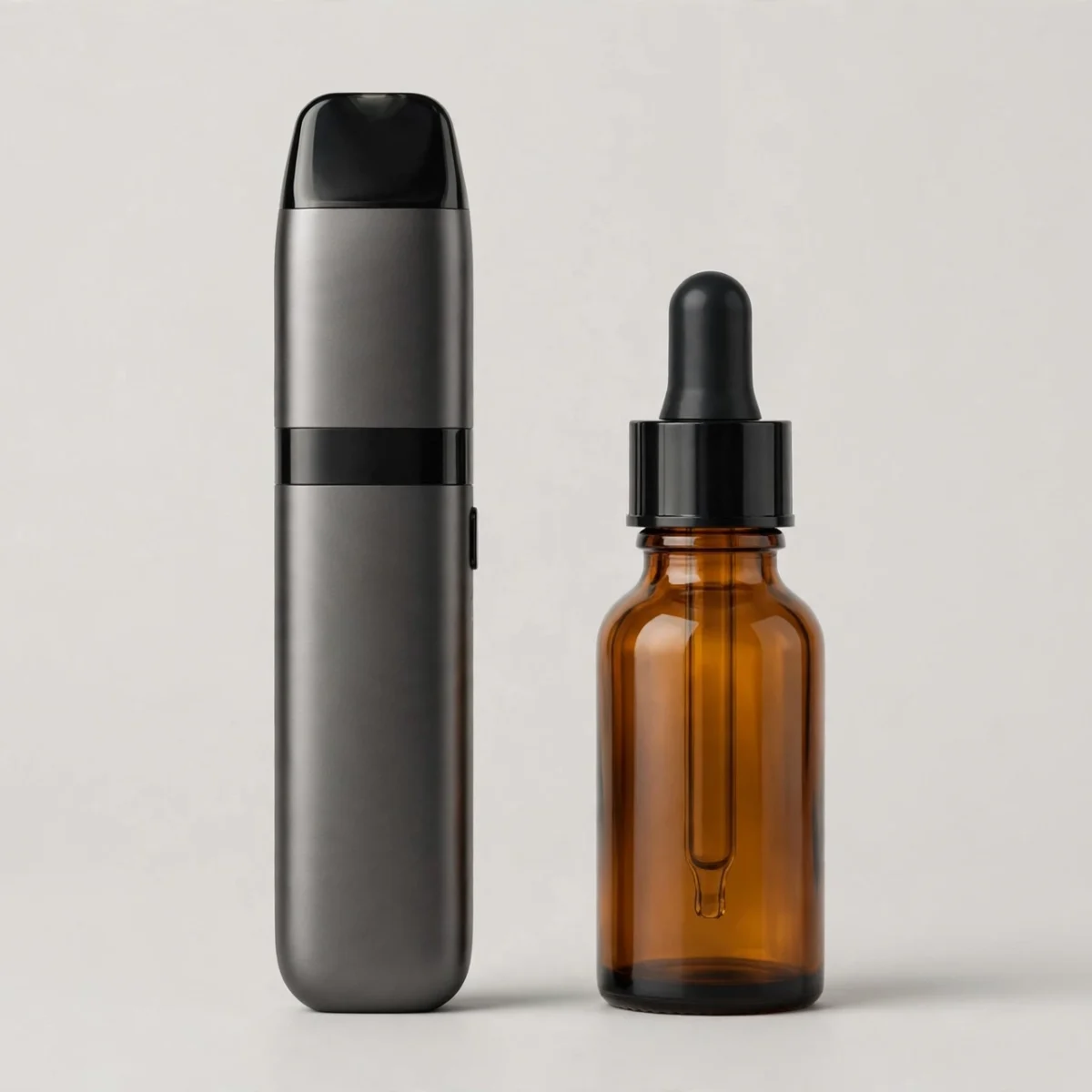
If you are comparing CBD vape vs tincture options, you are choosing between two very different ways of taking the same basic ingredient. Both formats start with CBD extracted from hemp, but everything else about them differs: how you use them, how quickly they act, how discreet they are, and how much they cost over time. Tinctures have been the default CBD format for years, while vape products appeal to people who want fast onset and a portable routine. This guide breaks down the pros and cons of each format so you can choose based on facts, not marketing.
Before we dive in, a quick note on terminology. In this article, “tincture” means a CBD oil product sold in a small bottle with a dropper, taken by placing oil under the tongue. A “vape” product means a vaporizer device paired with a CBD vape oil or cartridge that is heated into an inhalable vapor. If you want a deeper look at tinctures themselves, see our comparison of CBD tincture vs CBD oil, which clears up another common labeling mix-up.
What Is a CBD Tincture?
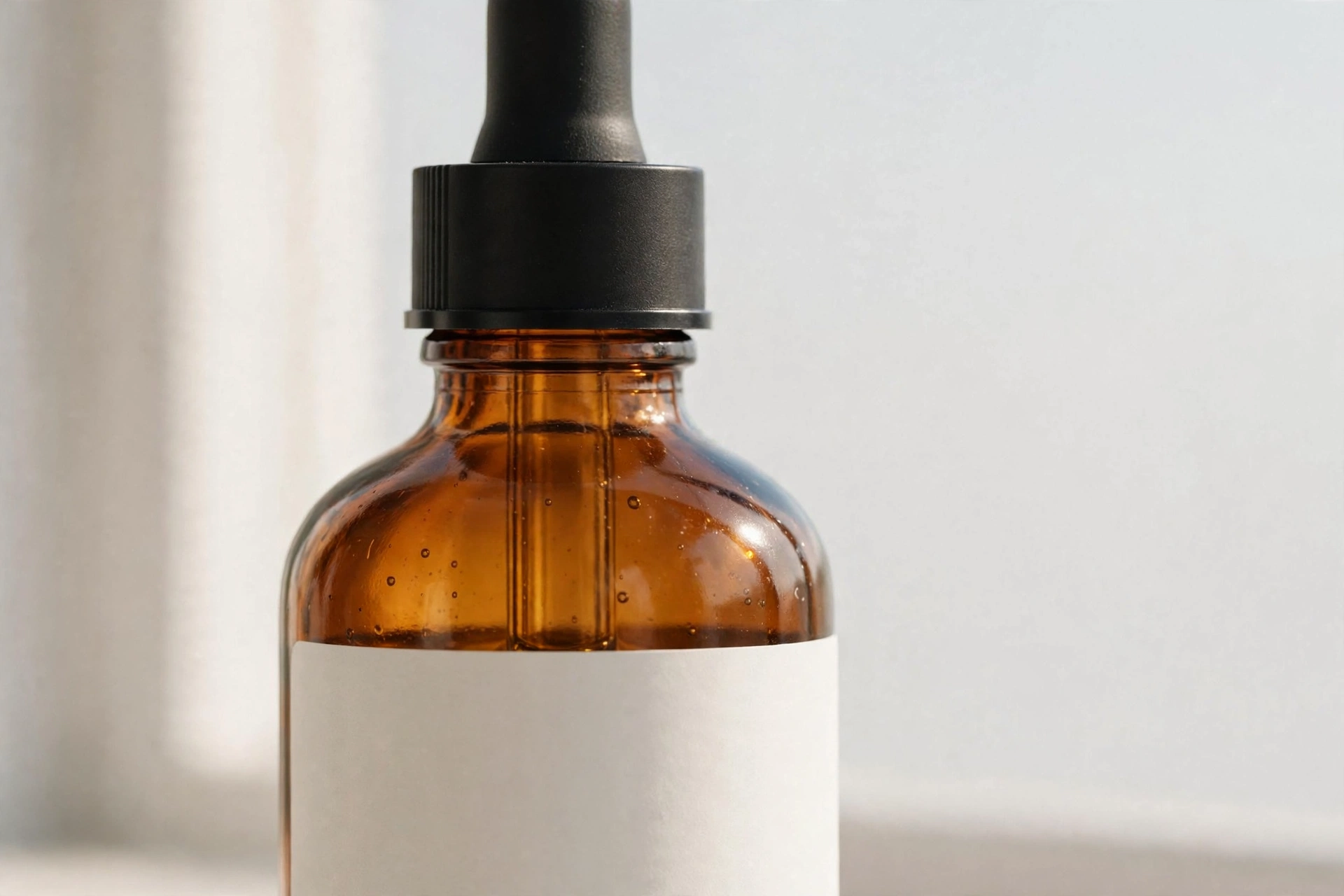
A CBD tincture is a liquid CBD product sold in a small glass bottle, almost always with a built-in dropper. The liquid is usually CBD extract blended into a carrier oil such as MCT oil, hemp seed oil, or olive oil. You use a tincture by squeezing a dropperful of oil under your tongue, holding it there briefly, and then swallowing. The oil is absorbed partly through the tissues under the tongue and partly through the digestive system after you swallow.
Tinctures come in a wide range of bottle sizes and potencies. A common bottle holds 30 ml, roughly one fluid ounce, and the total CBD content is printed on the front of the label. Because the bottle lasts for many servings, tinctures are one of the most economical formats per milligram of CBD. They also make it easy to adjust how much you use at a time, since the dropper lets you measure smaller or larger amounts.
On the downside, tinctures are not the fastest-acting format. Because the oil is partly absorbed sublingually and partly digested, it usually takes longer to act than inhalation. Some people also dislike the earthy, plant-like taste of unflavored tinctures, although many brands offer flavored versions to address that.
What Is a CBD Vape Product?
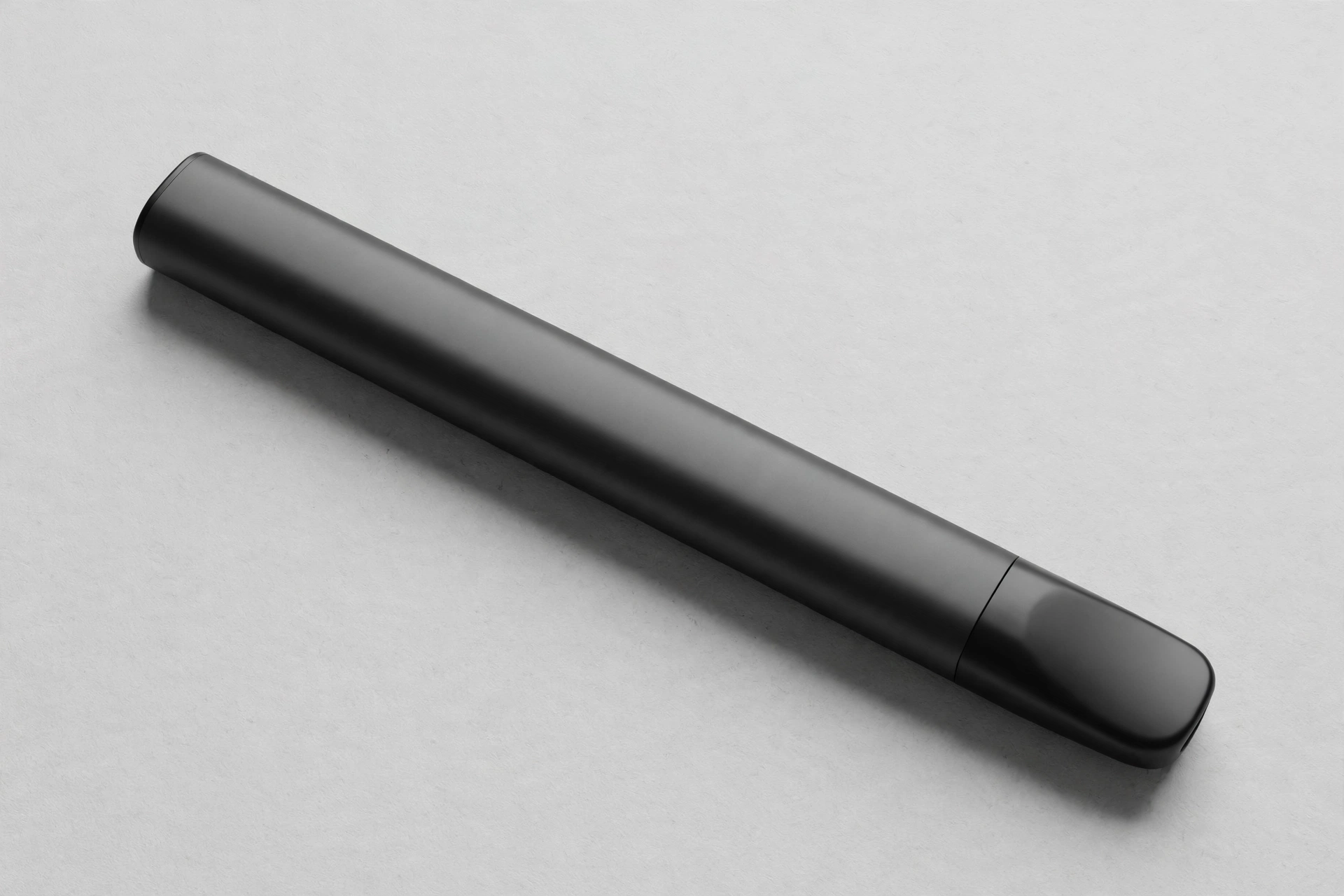
A CBD vape product is any device that heats a CBD-containing liquid into vapor for inhalation. The most common types are disposable vape pens, rechargeable pen-style batteries paired with pre-filled cartridges, and refillable devices where you add your own vape liquid. The liquid itself is a blend of CBD extract with thinning agents that make it suitable for vaporization.
Vape products are popular mainly for two reasons: speed and portability. Inhaled CBD enters the bloodstream through the lungs, which is one of the fastest routes available, so the effects of a vape product are typically felt within minutes. Devices are small, pocketable, and require no measuring, which makes them easy to use on the go.
The trade-offs are real, though. Vaping hardware adds cost, and devices need charging, refills, or replacement cartridges. Vapor also has a noticeable smell and visible cloud, so vaping is less discreet than a tincture in many settings. And because inhalation delivers CBD so efficiently, each session tends to be shorter-acting than a tincture serving.
CBD Vape vs Tincture: Side-by-Side Comparison
The table below summarizes the main differences between the two formats at a glance.
| Factor | CBD Tincture | CBD Vape |
|---|---|---|
| How it is used | Dropper of oil held under the tongue, then swallowed | CBD liquid heated into vapor and inhaled |
| Onset | Slower, usually 15 to 45 minutes | Faster, usually within minutes |
| Duration | Longer per serving | Shorter per session |
| Portability | Small bottle, easy to carry | Compact device, needs charging or refills |
| Discretion | Very discreet, no smell or vapor | Visible vapor and scent |
| Taste | Earthy oil taste unless flavored | Flavored vapor, smoother |
| Upfront cost | Low, just the bottle | Higher, device plus liquid or cartridges |
| Ongoing cost | Low per milligram of CBD | Higher per milligram due to hardware |
| Measuring | Dropper allows adjustable amounts | Hard to measure precisely per puff |
Onset and Duration: Why the Format Changes the Experience
The biggest practical difference in the CBD vape vs tincture debate is how quickly each format acts and how long the effects last. This comes down to the route the CBD takes into your body, not the quality of the CBD itself.
When you inhale vapor, CBD passes from the lungs directly into the bloodstream, which is why vape products act within minutes. When you hold tincture oil under your tongue, some CBD is absorbed through the oral tissues while the rest is swallowed and processed through the digestive system, which is slower. The general trade-off across formats is consistent: faster onset usually means a shorter duration, while slower onset usually means effects last longer.
Neither is objectively better. Some people prefer the fast feedback of a vape session, while others prefer the longer-lasting nature of a tincture. What matters is matching the format to your routine and expectations.
Convenience and Discretion in Daily Life
Tinctures win on simplicity. There is no device to charge, no cartridge to replace, and no vapor to explain. A small bottle fits in a bag or desk drawer, and using it takes a few seconds. The trade-off is the ritual itself: measuring oil with a dropper and holding it under your tongue is not something most people want to do in the middle of a meeting or at a restaurant.
Vape devices win on speed and portability but lose on discretion. Even though CBD vapor is legal in many places, vaping in public draws attention, and many workplaces and indoor spaces prohibit it. If you travel, note that vape devices come with their own set of rules, so check our guide to vape rules and TSA guidelines before flying with one.
Cost Considerations Over Time
At first glance, tinctures look more expensive: a single bottle can cost as much as a vape device. But the comparison flips when you look at cost per milligram of CBD over time. Tinctures deliver a large amount of CBD per bottle with no hardware to maintain, which usually makes them the cheaper format in the long run.
Vape products have two cost layers: the device (or disposables) and the liquid or cartridges. Disposables are convenient but tend to be the most expensive way to buy CBD per milligram, since you are paying for a new battery and casing every time. Refillable devices lower the per-milligram cost but add maintenance, replacement coils, and the occasional dead battery. If budget is a priority, a tincture is usually the more economical choice.
Safety and Quality Considerations
Both formats share the same quality rules. Buy from brands that publish third-party lab reports, check that the label lists the actual CBD content in milligrams, and avoid products with vague ingredient lists. If you have never read one, our guide on how to read a CBD lab report walks through what to look for.
There is one format-specific caution worth knowing. Vape liquids should only contain ingredients made for inhalation. Never put a regular tincture oil into a vape device: tinctures are made to be taken orally, and their carrier oils are not designed for heating and inhaling. Similarly, do not drink vape liquid. The two product types are not interchangeable, even when the labels look similar.
Finally, both formats interact with the same general CBD considerations. CBD can interact with certain medications, and product quality varies widely across the market. This article is for general information only and is not medical advice.
Which Format Should a Beginner Choose?
There is no universal winner, but beginners tend to do well starting with a tincture for a few practical reasons. Tinctures are cheaper to try, easier to measure, and involve no hardware learning curve. You also avoid the maintenance and replacement costs that come with vape devices while you are still figuring out whether CBD fits your routine.
A vape product makes more sense if fast onset is your top priority and you are comfortable with the upkeep and cost of a device. Some people also prefer vaping simply because they dislike the taste of oils. If you fall into that camp, choose a reputable brand, confirm the liquid is actually formulated for vaping, and keep your expectations realistic about the ongoing cost.
Many experienced users end up keeping both: a tincture for everyday use and a vape for situations where speed matters. If you go that route, keep the products clearly separated and labeled so you never mix up an oral tincture with a vape liquid. For more beginner-friendly explainers on CBD formats and ingredients, browse more guides on the DigitalGeekSpot homepage.
Frequently Asked Questions
Can you use CBD tincture oil in a vape device?
No. Tincture oils are formulated for oral use, and their carrier oils are not designed to be heated and inhaled. Use only liquids specifically made for vaping in a vape device, and never drink vape liquid.
Which lasts longer, CBD vape or CBD tincture?
Tinctures generally last longer per serving because the CBD is absorbed partly through digestion, a slower route. Vape products act faster but tend to wear off sooner.
Is vaping CBD more expensive than using a tincture?
Usually, yes. Vape products involve hardware costs plus liquid or cartridges, while a tincture is a single bottle with no device to maintain. Per milligram of CBD, tinctures are typically the cheaper format over time.
Which format is more discreet?
Tinctures are more discreet. They produce no vapor, no smell, and no visible device. Vaping produces visible vapor and scent, and many indoor spaces prohibit it.
Do CBD vape and tincture products contain the same CBD?
The CBD extract itself is similar, but the surrounding ingredients differ. Tinctures use oral-safe carrier oils, while vape liquids use ingredients formulated for inhalation. Always check the label and lab report for either format.
Can I travel with a CBD tincture or vape device?
Rules vary by destination and transport mode. Vape devices have specific airline and TSA rules, so review them before flying. For either format, keep products in their original labeled packaging and check local laws at your destination.