Pick up two CBD bottles and you might see two different words on the labels: one says “tincture,” the other says “oil.” They look nearly identical, both come with a dropper, and both list CBD as the key ingredient. So what is the real story behind CBD tincture vs CBD oil? Are you buying two different products, or just two different words for the same thing?
The honest answer is that in today’s CBD market, the two terms are used almost interchangeably, and most products labeled “tincture” are technically oils. But the words have different origins, and understanding where they came from will make you a sharper label reader. This guide explains what each term originally meant, what is actually inside the bottle today, and how to compare products no matter which word is on the label.
The Short Answer
If you are in a hurry: there is no meaningful, standardized difference between a CBD tincture and CBD oil in the current market. Both are liquid CBD products sold in small bottles with droppers, and both consist of a hemp extract mixed into a carrier liquid. The word on the label tells you more about the brand’s marketing vocabulary than about the formula inside. What actually matters is the information behind the name: the type of extract, the total CBD content, the carrier oil, and the lab report.
What “Tincture” Originally Meant
Long before CBD existed as a commercial category, “tincture” had a precise meaning in herbal medicine. A tincture was a concentrated herbal extract made by soaking plant material in alcohol, typically high-proof ethanol, for several weeks. The alcohol acted as a solvent, pulling the plant’s active compounds into the liquid. Herbalists then strained out the plant matter and bottled the resulting liquid.
Alcohol-based tinctures are still sold today across the herbal supplement world. They have a sharp taste, a long shelf life, and a distinct manufacturing method. When CBD first entered the market, some early products followed this traditional method and were genuine alcohol-based tinctures.
What “CBD Oil” Means on a Modern Label
A CBD oil is exactly what it sounds like: CBD extract blended into an oil base. The manufacturing process typically involves extracting cannabinoids from hemp, usually with CO2 or ethanol extraction, and then diluting that concentrated extract into a carrier oil so the final product is easy to measure and pleasant to use.
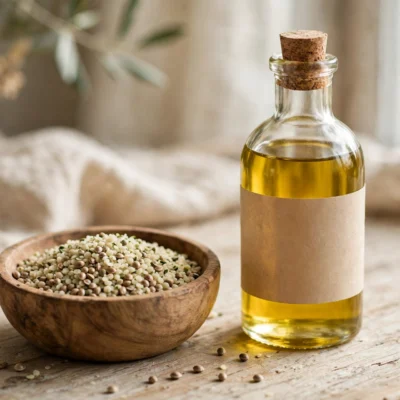
Common carrier oils include MCT oil (derived from coconut or palm kernel oil), hemp seed oil, and olive oil. The carrier oil makes up the vast majority of the bottle’s volume, while the hemp extract is a small fraction. If you want to understand the difference between two of the most common carriers, our comparison of hemp seed oil vs CBD oil clears up a related point of confusion.
How the Industry Uses These Terms Today
Here is where it gets blurry. As the CBD market grew, brands began labeling oil-based products as “tinctures” because the word sounded traditional, herbal, and premium. The dropper-top bottle reinforced the association. Today, the overwhelming majority of products called “CBD tinctures” contain no alcohol at all. They are CBD extract in a carrier oil, the same formula sold as “CBD oil” by the brand next door.
True alcohol-based CBD tinctures still exist, but they are the exception rather than the rule. Unless the ingredient list names alcohol or ethanol as a primary ingredient, a product labeled “tincture” is almost certainly an oil in practice.

What Is Actually Inside the Bottle?
Strip away the naming confusion and most dropper bottles share the same basic anatomy:
- Hemp extract: full spectrum, broad spectrum, or isolate. This determines the cannabinoid profile. Our full spectrum vs broad spectrum vs isolate guide explains the differences in plain language.
- Carrier oil: MCT, hemp seed, olive, or another food-grade oil that dilutes the extract to a usable concentration.
- Optional flavoring: natural flavors such as mint or citrus that mask hemp’s earthy taste.
Whether the front label says “tincture” or “oil,” this is the formula you are evaluating. Two products with the same extract type and the same total CBD content are functionally the same product, regardless of which word the brand chose.
Why the Confusion Persists
Several forces keep the terminology muddled. Legacy habits play a role: early CBD brands borrowed “tincture” from herbalism, and the word stuck. Marketing plays a role too, since “tincture” can sound more artisanal than “oil.” And because no regulator has imposed a standardized definition for either term on CBD products, brands are free to use whichever word they prefer. Until that changes, the burden falls on shoppers to read past the product name and evaluate the formula underneath.
Alcohol-Based vs Oil-Based: The One Real Difference
Although the names are used interchangeably, the underlying formulas do differ in one genuine case: alcohol-based tinctures versus oil-based products. An alcohol-based tincture uses ethanol as its carrier liquid instead of oil. This gives it a thinner consistency, a sharper taste, and a long shelf life even at room temperature. It also mixes differently from oil: alcohol blends easily into water-based drinks, while oil tends to float on top.
Oil-based products, whether called tinctures or oils, have a richer mouthfeel and a milder taste, especially when flavored. They are also the format most dropper bottles use, because oil is easy to measure in small, consistent amounts with a standard dropper.
Neither base is objectively superior. The practical question is simply which formula you are holding. The ingredient list answers it in seconds: look for alcohol or ethanol near the top of the list for a true tincture, or a named carrier oil for an oil-based product. Everything else on the label, from extract type to total CBD content, matters far more than the base liquid.
How to Compare Two Products Regardless of the Name
Ignore the word on the front and compare what is on the back of the label:
- Total CBD in milligrams: the single most important number. Compare total mg, not vague words like “extra strength.”
- Extract type: full spectrum, broad spectrum, or isolate, verified on the lab report.
- Carrier oil: listed in the ingredients. This affects taste and texture, not potency.
- Third-party lab report: batch-matched and current. Our walkthrough of how to read a CBD lab report shows you exactly what to check.
- Price per milligram of CBD: divide the price by the total mg to compare value across brands and bottle sizes.
A “tincture” and an “oil” that match on these five points are the same product wearing different clothes. You can find more guides on the DigitalGeekSpot homepage to sharpen your label-reading skills further.
Frequently Asked Questions
Is a CBD tincture the same as CBD oil?
In most cases, yes. The vast majority of products labeled “CBD tincture” today are oil-based formulas, identical in composition to products labeled “CBD oil.” Genuine alcohol-based tinctures exist but are uncommon. Check the ingredient list for alcohol to tell them apart.
Why do brands call oil-based products tinctures?
Mostly tradition and marketing. Early CBD products borrowed the term from herbalism, and many brands kept it because it sounds natural and artisanal. There is no enforced legal definition separating the two terms for CBD products.
Do tinctures and oils work differently?
Since most “tinctures” are actually oils, there is no general difference in how they behave. Any differences between two specific products come from their extract type, concentration, and carrier oil, not from the word on the label.
How can I tell if a tincture is alcohol-based?
Read the ingredient list. An alcohol-based tincture will list alcohol or ethanol prominently, usually as one of the first ingredients. If the ingredients show a carrier oil like MCT or hemp seed oil and no alcohol, it is an oil-based product regardless of the name.
Which is better, a tincture or an oil?
Neither word indicates quality. A well-made “oil” from a transparent brand beats a poorly tested “tincture” every time. Judge products by their extract type, total CBD content, and third-party lab report instead of the product name.
Does the dropper size affect anything?
The dropper is simply the measuring tool included with the bottle. What matters is the total CBD content printed on the label and confirmed by the lab report. If dropper markings confuse you, our guide on how much CBD is in a dropper explains how to read the numbers.
Can I use the words tincture and oil interchangeably when shopping?
In practice, most shoppers and many brands already do. But when you are comparing products, set the name aside and compare the extract type, total CBD content, and lab report instead. Those details define the product; the name on the front is just packaging language.
Are alcohol-based CBD tinctures hard to find?
They are much less common than oil-based products. Most CBD brands formulate with carrier oils because they are familiar, easy to flavor, and simple to measure with a dropper. If you specifically want an alcohol-based tincture, check the ingredient list for ethanol before buying, since the front label alone will not tell you.
This article is for general information only and is not medical advice. CBD product rules vary by location, so check the regulations that apply where you live.