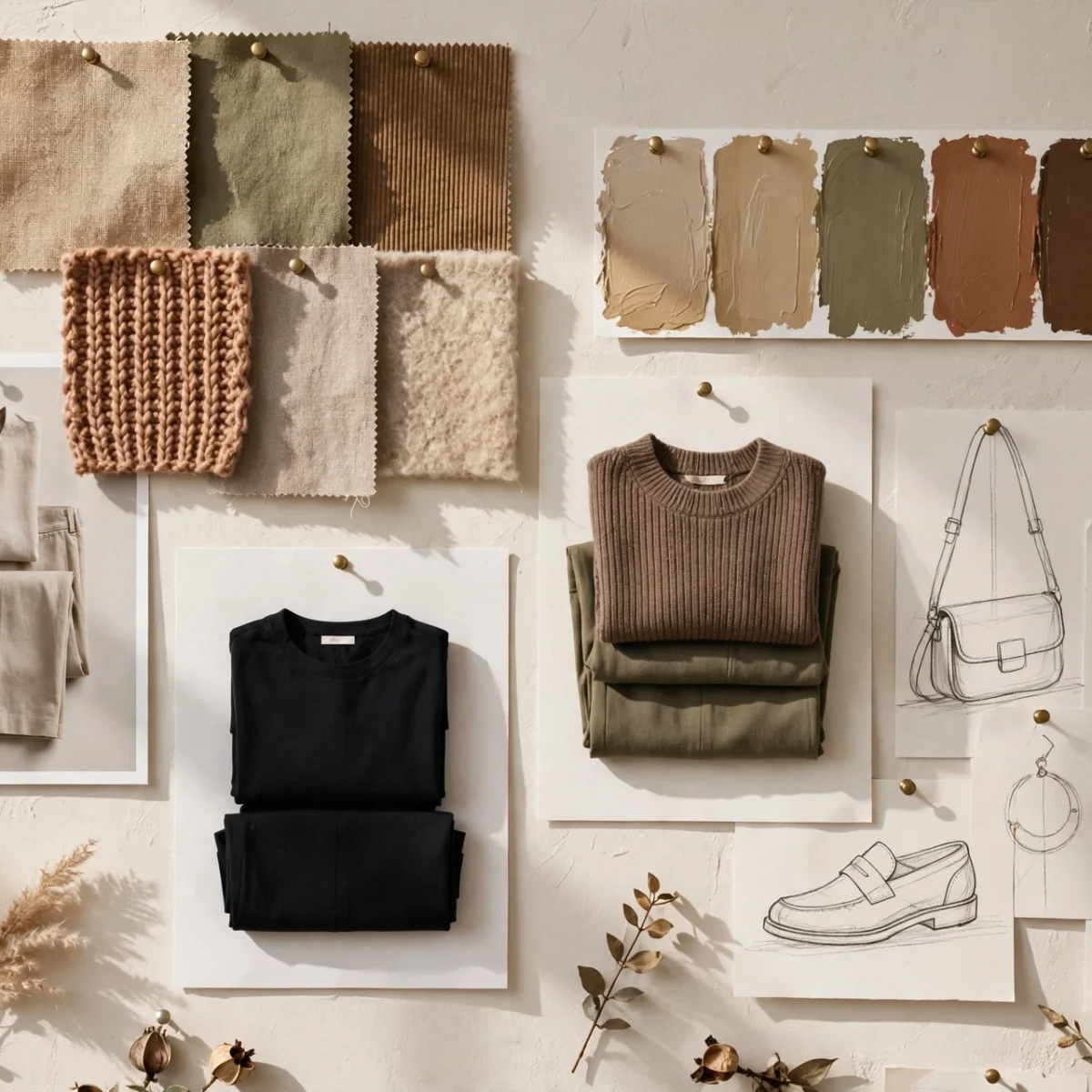
Figuring out how to find your personal style can feel overwhelming, especially when trends change every few months and your closet is full of clothes that never quite feel like you. Personal style is not about following rules or copying influencers. It is the visual expression of who you are: the silhouettes, colors, and details you reach for again and again because they feel right. This guide walks you through a practical, step-by-step discovery process, from building a mood board to running fit experiments and auditing your wardrobe, so you can define a style that is genuinely yours and dress with confidence every day.
What Personal Style Actually Means
Personal style is often confused with fashion, but the two are different. Fashion is what the industry produces each season. Style is how you interpret it, or ignore it, based on your taste, lifestyle, and body. Someone with strong personal style might wear mostly minimalist basics, or they might mix vintage prints with bold accessories. What matters is consistency and intention: their choices look deliberate because they reflect real preferences rather than random purchases.
Finding your style is not a one-time revelation. It evolves as you age, change jobs, move cities, or simply grow. Think of this process as building a foundation you can refine over time, not a final answer you must get perfect today. The goal is a clear enough sense of direction that shopping gets easier, getting dressed gets faster, and you stop buying things you never wear.
Step 1: Gather Inspiration with a Mood Board
Start by collecting images of outfits, details, and aesthetics that catch your eye. Use Pinterest, Instagram saves, or even screenshots in a phone folder. Do not overthink it at this stage: if an image makes you pause, save it. Aim for 50 to 100 images over a week or two of casual collecting.
Once you have a good collection, look for patterns. Ask yourself:
- What colors appear most often? Are they neutrals, jewel tones, pastels, or earth tones?
- What silhouettes repeat? Oversized, tailored, flowy, structured, sporty?
- What details stand out? Minimal jewelry, statement bags, layered necklaces, bold shoes?
- Whose overall vibe appeals to you, and what specifically about it?
You will likely notice two or three recurring themes. Maybe you keep saving relaxed linen outfits and clean Scandinavian minimalism, or maybe it is vintage denim mixed with feminine blouses. Name these themes in plain words, for example: “relaxed minimalist with earthy tones” or “classic with a vintage edge.” That short description becomes your style compass.
Pay attention to what you do not save, too. If nothing in your board involves neon colors or ultra-formal tailoring, that tells you something useful about your real preferences, even if you admire those looks on others.
Step 2: Audit Your Wardrobe for Clues
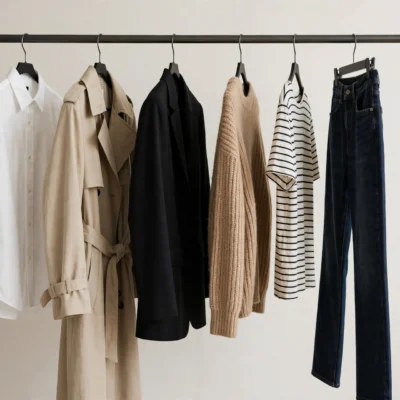
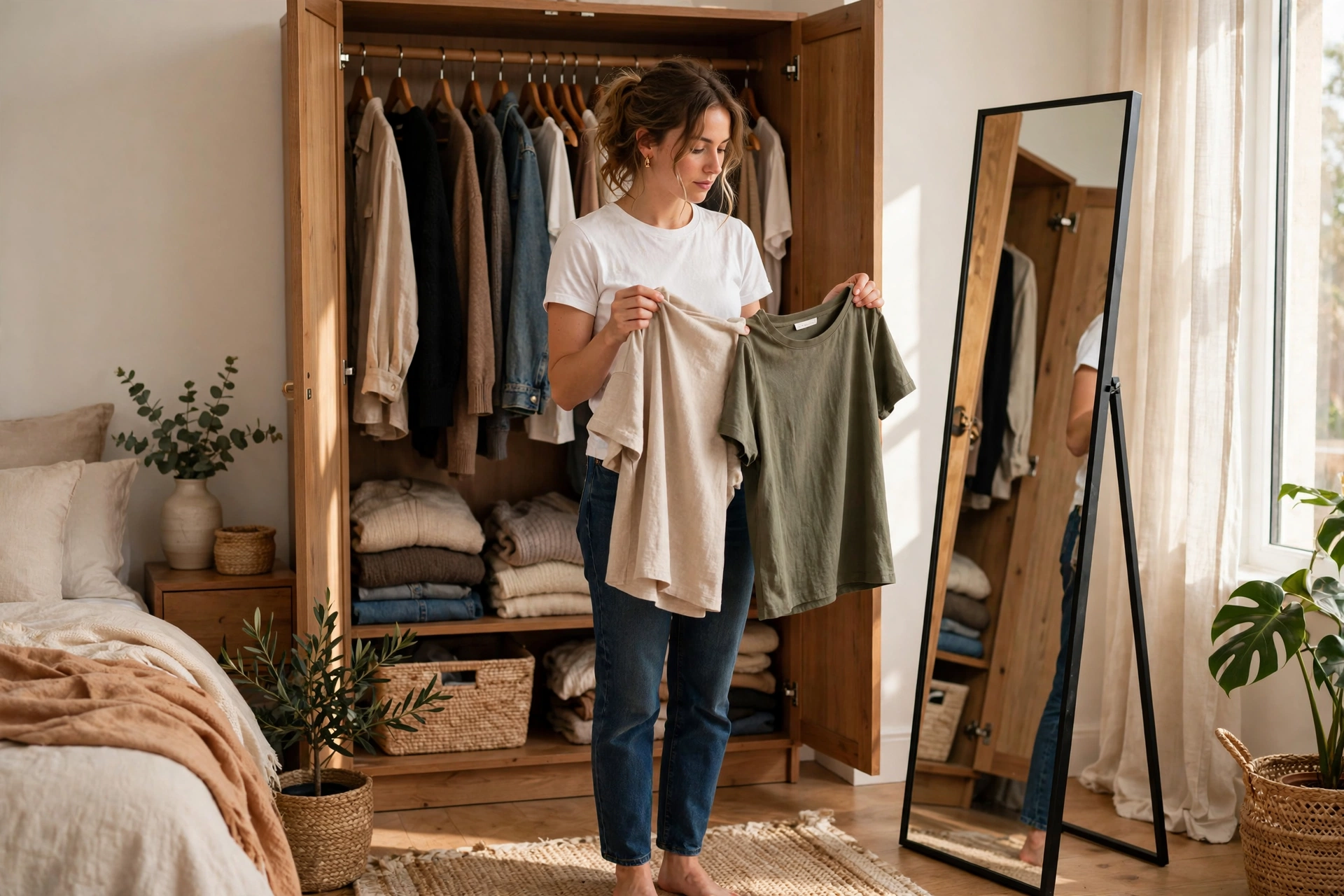
Your closet already contains evidence about your style. Go through your clothes and pull out the ten items you wear most often and love most. Lay them out and study them as a group. What do they have in common? Similar fabrics, similar fits, a recurring color family? These are the building blocks of your personal style, proven by the fact that you actually choose them repeatedly.
Next, identify the pieces you never wear and figure out why. Common reasons include uncomfortable fit, wrong color for your complexion, too trendy for your taste, or simply not matching anything else you own. Each unworn item teaches you what to avoid. If you keep buying fussy blouses you never wear because you live in t-shirts, your style is telling you something: stop buying the blouses.
Be honest about the gap between the clothes you buy and the clothes you wear. Many people shop for an imagined version of themselves, someone who attends gallery openings or runs marathons, while their real life needs comfortable work clothes and weekend casuals. Your personal style should serve your actual life. For everyday inspiration that matches real routines, these casual outfit ideas for women show how simple, wearable pieces come together.
Step 3: Run Fit and Silhouette Experiments
Knowing you like “relaxed tops” is vague. Knowing you look and feel best in a boxy cropped tee with high-waisted straight-leg jeans is actionable. The way to get specific is to experiment deliberately with fit and silhouette.
Pick one category, such as jeans or blazers, and try on multiple fits in a store or from your own closet: skinny, straight, wide-leg, high-rise, low-rise. Note not just what looks good but what feels good after wearing it for an hour. Style you cannot wait to take off at the end of the day is not your style, no matter how good it looks in the mirror.
Take photos of yourself in different outfits over a couple of weeks. Photos reveal proportions and overall effect more objectively than a mirror, where you tend to focus on details. Review the photos and rank the outfits: which ones feel most like you? Which would you wear again tomorrow? Patterns will emerge quickly.
Experiment with proportions, too. Try a voluminous top with slim bottoms, then flip it. Try tucking, half-tucking, and untucked. Small styling choices change how an outfit reads, and discovering your preferred proportions is a major part of defining your look.
Step 4: Define Your Style Words
Distill everything you have learned into three to five style words. These are adjectives that describe the aesthetic you are aiming for: classic, edgy, romantic, minimalist, bohemian, sporty, polished, artistic, cozy, bold. Pick words that feel exciting, not just accurate. “Comfortable” is a requirement, not a style word; “effortless” or “relaxed” captures the same idea with more direction.
Use your style words as a filter for every future purchase. Before buying something, ask: does this fit at least two of my words? A romantic-minimalist would pass on a heavy studded jacket, while an edgy-classic dresser would grab it. This simple test prevents the random purchases that clutter closets and dilute your style.
Write your words somewhere you will see them, like a phone note or inside your closet door. Revisit them every six months. As your taste evolves, update the words. They are a living definition, not a contract.
Step 5: Build a Cohesive Wardrobe Around Your Style
Once you know your style, align your wardrobe with it gradually. You do not need to throw everything out and start over. Instead, apply your style words and color preferences to future purchases, and let your closet evolve naturally as old pieces wear out and new, more intentional ones replace them.
A helpful next step is learning to build a smaller, more coordinated wardrobe so every piece supports your defined style. A capsule approach pairs naturally with personal style discovery, since both reward intentionality over impulse. You will find more style guides on the DigitalGeekSpot homepage covering wardrobe building, outfit formulas, and seasonal updates.
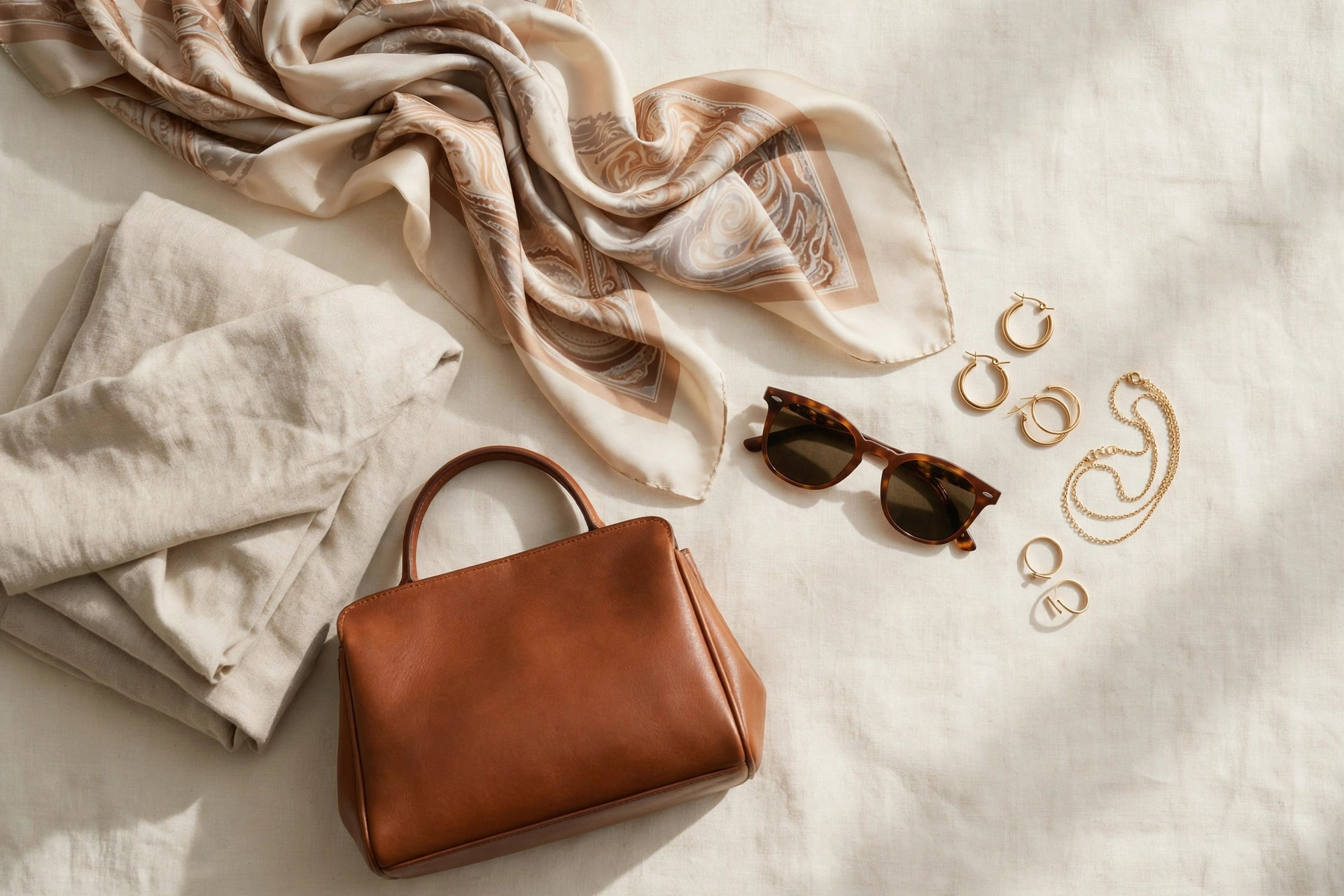
Develop a few signature elements that make your style recognizable. It could be a particular accessory you always wear, a color you are known for, a way of layering, or a favorite silhouette. Signatures are not about being repetitive; they are the through-line that makes varied outfits feel cohesive and personal.
Stay curious but selective about trends. When a new trend appears, check it against your style words before trying it. Browsing women’s fashion trends with your defined aesthetic in mind lets you adopt what genuinely suits you and skip the rest without FOMO. Trends that align with your words will feel natural; ones that do not will feel like a costume, and you will know the difference.
Common Roadblocks (and How to Get Past Them)
- “I like too many different styles.” Most people do. Look for the common thread underneath the variety, or accept that you have two modes, like polished workwear and relaxed weekends, and define both. Having a work style and a weekend style is completely valid.
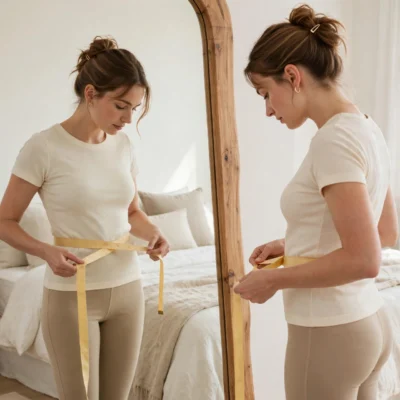
- “My body changed and nothing feels right.” Style is not size-dependent, but fit is. Get your measurements updated, try new silhouettes without judgment, and consider tailoring. Clothes that fit your current body will always look more stylish than clothes fighting it.
- “I can’t afford a new wardrobe.” You do not need one. Style comes from how you combine and wear clothes, not from price tags. Thrift stores, clothing swaps, and simply styling what you own differently can transform your look for very little money.
- “I worry about standing out.” Personal style is not about being the most dramatic dresser in the room. Quiet, consistent, well-fitting clothes are a strong personal style. Dress for yourself first; confidence reads louder than boldness.
- “Trends make me second-guess everything.” Limit trend exposure while you are defining your style. Unfollow accounts that make you feel behind, and revisit your mood board and style words when doubt creeps in.
Frequently Asked Questions
How long does it take to find your personal style?
There is no fixed timeline, but most people develop a clear sense of direction within a few months of deliberate attention: collecting inspiration, auditing their closet, and experimenting with fits. Treat it as an ongoing refinement rather than a project with a deadline, and your style will keep getting sharper.
Can you have more than one personal style?
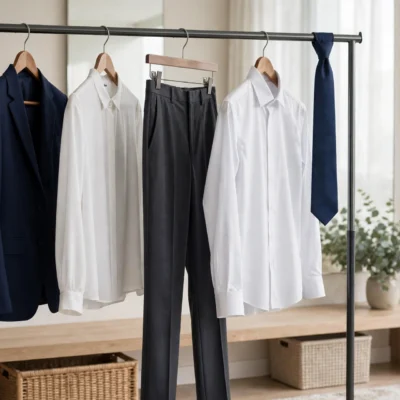
Yes. Many people have distinct modes for different parts of life, such as professional, casual, and evening styles. The key is that each mode feels intentional and cohesive on its own terms, rather than a random mix without direction.
Do you need expensive clothes to have good personal style?
No. Personal style is about fit, cohesion, and confidence, none of which require expensive labels. Well-fitting affordable clothes in a coordinated palette look far more stylish than ill-fitting designer pieces worn without intention.
How do you find your style on a budget?
Start with what you own: audit your closet, identify your most-worn pieces, and learn to style them in new combinations. Thrift stores and clothing swaps are excellent for low-cost experimentation, since you can try new silhouettes without significant financial risk.
Should your personal style follow trends?
Trends can inform your style but should not define it. Use your style words as a filter: adopt trends that align with your aesthetic and skip the rest. A strong personal style actually makes trends easier to navigate, because you know immediately what suits you.