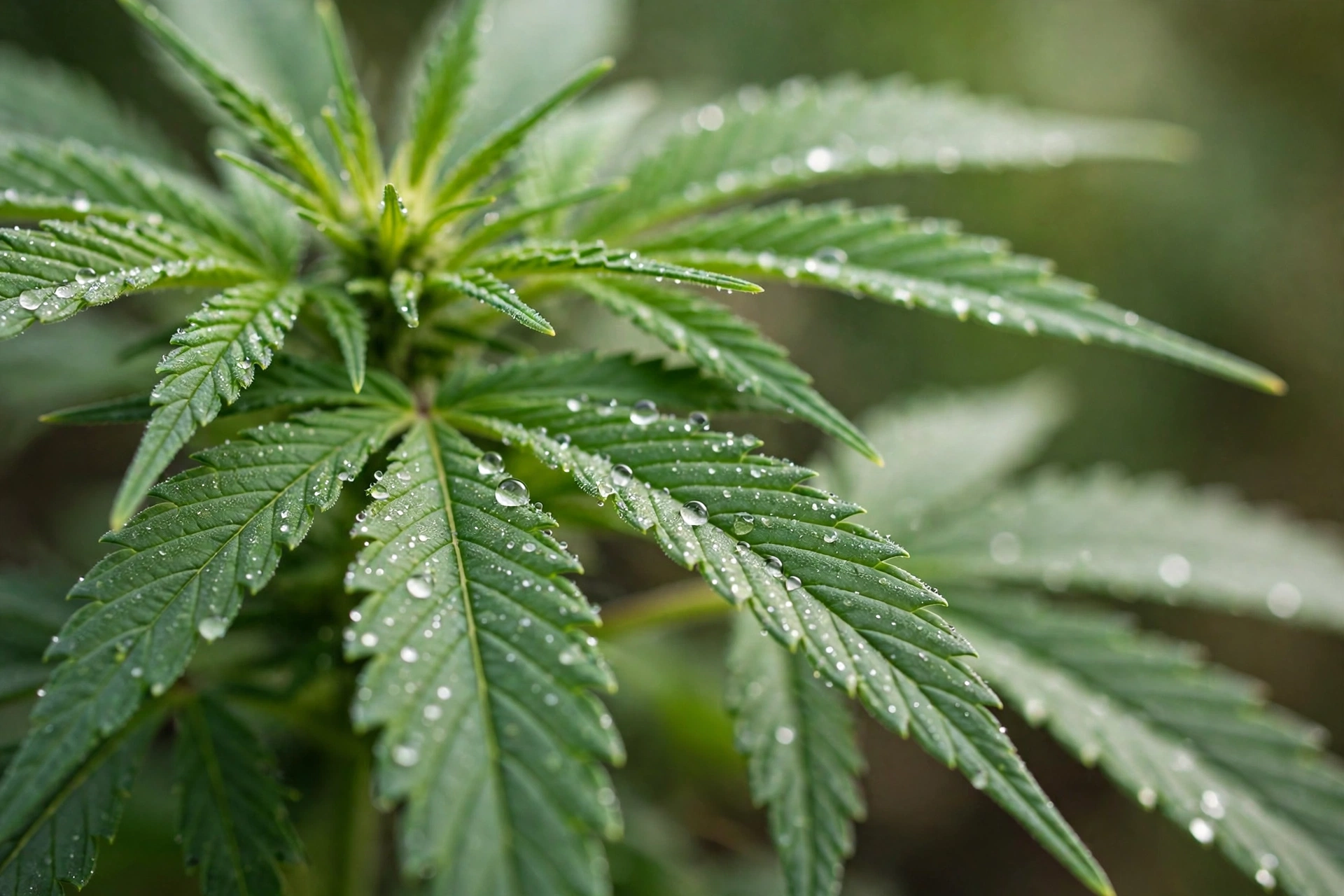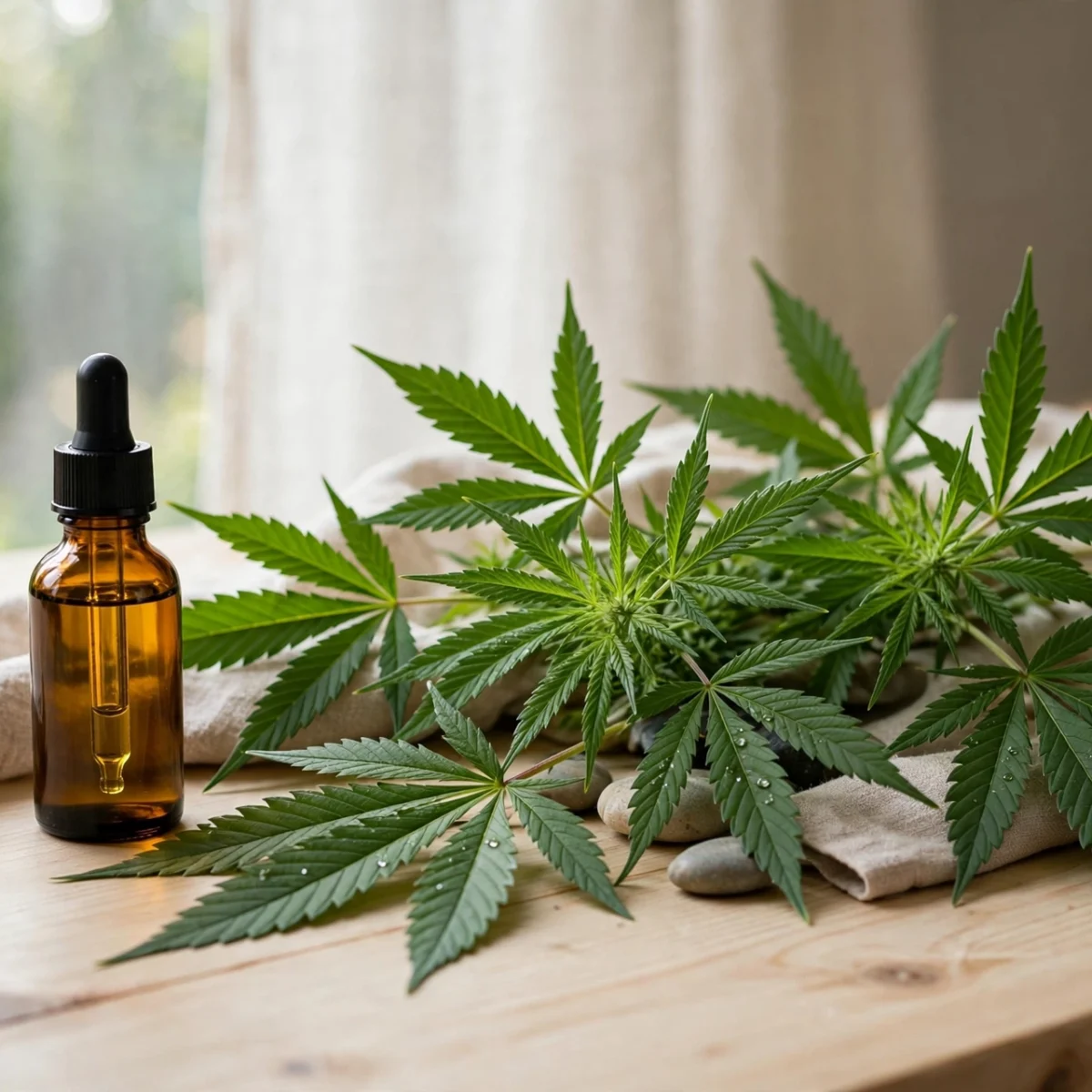
CBD, short for cannabidiol, is a naturally occurring compound found in hemp and cannabis plants that does not produce an intoxicating high. It interacts with the body’s endocannabinoid system, a signaling network involved in regulating functions like sleep, mood, and appetite. CBD is sold in oils, gummies, capsules, and topicals, and hemp-derived CBD containing less than 0.3 percent THC is federally legal in the United States under the 2018 Farm Bill, though state laws vary.
This article is for informational purposes only and is not medical advice. Talk to a qualified healthcare professional before using any CBD product.
Key Takeaways
- CBD (cannabidiol) is one of over 100 cannabinoids in the cannabis plant and is non-intoxicating, meaning it does not cause a high.
- CBD interacts indirectly with the body’s endocannabinoid system (ECS), which helps regulate sleep, mood, appetite, and immune activity.
- Common product forms include oils and tinctures, gummies and edibles, capsules, topicals, and vape products, each with different onset characteristics.
- Full-spectrum, broad-spectrum, and CBD isolate describe how much of the hemp plant’s other compounds a product contains.
- Hemp-derived CBD with under 0.3 percent THC is federally legal in the US under the 2018 Farm Bill, but state and local laws differ.
- Third-party lab reports (Certificates of Analysis) are the key tool for verifying what a CBD product actually contains.
What Exactly Is CBD?
CBD stands for cannabidiol, a chemical compound produced by plants in the cannabis family, which includes both hemp and marijuana. It is one of more than 100 cannabinoids identified in these plants. Most commercial CBD is extracted from industrial hemp, a variety of cannabis specifically cultivated to contain high levels of CBD and very low levels of THC (tetrahydrocannabinol), the compound responsible for the intoxicating effects of marijuana.
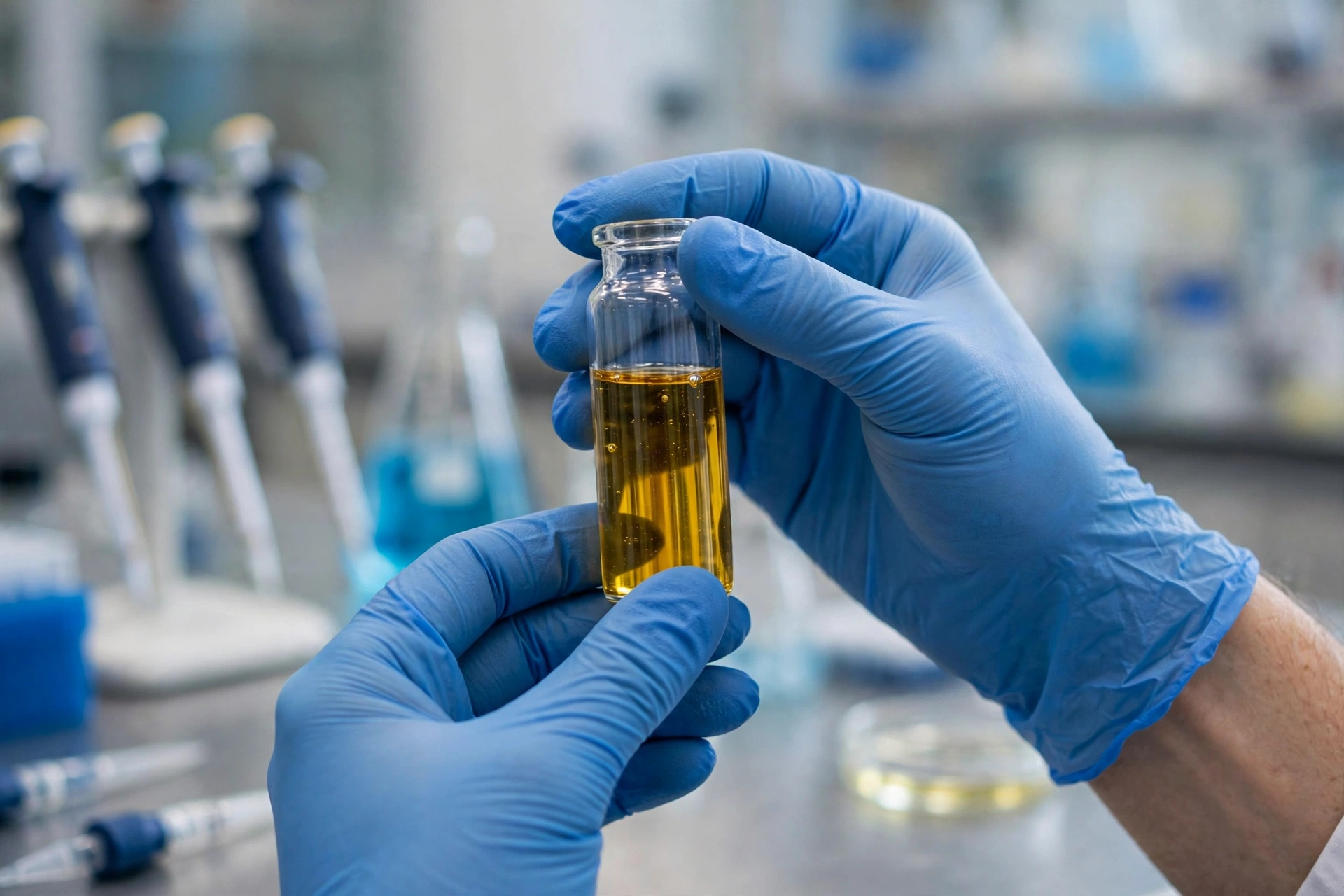
The critical distinction for beginners is this: CBD is non-intoxicating. It does not produce the “high” associated with THC because it interacts with the body differently. This property is the main reason CBD became widely available as a consumer wellness product while THC remains restricted in many places. Extraction is typically done with supercritical CO2 or ethanol methods, and reputable manufacturers then have the extract tested by independent laboratories.
How Does CBD Work in the Body?
CBD works primarily through the endocannabinoid system (ECS), a cell-signaling network present throughout the human body. The ECS consists of three main components: endocannabinoids (compounds the body produces itself, such as anandamide and 2-AG), cannabinoid receptors (mainly CB1 receptors concentrated in the brain and central nervous system, and CB2 receptors found largely in the immune system and peripheral tissues), and enzymes that build and break down endocannabinoids.
Unlike THC, which binds directly and strongly to CB1 receptors, CBD interacts with the ECS indirectly. Research describes several proposed mechanisms: CBD appears to slow the enzymes that break down the body’s own endocannabinoids, modulate how receptors respond, and influence non-cannabinoid systems including serotonin receptors and TRPV1 channels involved in sensing. Scientists describe this as a regulatory or supportive role rather than a forceful one, which is consistent with CBD’s non-intoxicating profile.
It is worth being honest about the state of the science: while laboratory and early clinical research on CBD continues to grow, many questions about its effects in humans remain under active investigation. Marketing claims often run ahead of the evidence, so beginners should treat bold promises with skepticism and rely on product quality and professional guidance instead.
What Is the Difference Between CBD and THC?
CBD and THC are the two best-known cannabinoids, and beginners frequently confuse them. They share a similar chemical structure but are arranged differently at the atomic level, which produces very different effects.
| Feature | CBD (cannabidiol) | THC (tetrahydrocannabinol) |
|---|---|---|
| Intoxicating | No, non-intoxicating | Yes, produces a high |
| Receptor action | Indirect modulation of the ECS | Direct binding to CB1 receptors |
| Primary source | Industrial hemp (low THC varieties) | Marijuana (high THC varieties) |
| US federal status | Legal if hemp-derived under 0.3% THC | Restricted; state laws vary widely |
| Common product forms | Oils, gummies, capsules, topicals | Flower, edibles, concentrates, oils |
| Drug test risk | Possible with full-spectrum products | Typically detected |
One practical note: full-spectrum CBD products contain trace amounts of THC (legally under 0.3 percent), and regular use of such products has, in some reported cases, contributed to positive drug test results. People subject to testing often choose broad-spectrum or isolate products for this reason, though no product can guarantee a negative result.
What Types of CBD Products Exist?
CBD is sold in many formats, and the format determines how the product is used and how quickly its contents reach the bloodstream. Beginners should understand the basic categories before shopping.
| Product type | How it is used | Typical onset characteristics | Good to know |
|---|---|---|---|
| Oils and tinctures | Held under the tongue, then swallowed | Relatively fast uptake | Easy to measure serving sizes with a dropper |
| Gummies and edibles | Chewed and swallowed | Slower; passes through digestion | Pre-measured servings; effects last longer |
| Capsules and softgels | Swallowed with water | Similar to edibles | Tasteless and discreet |
| Topicals | Applied to skin | Localized; does not reach bloodstream significantly | Creams, balms, and roll-ons |
| Vape products | Inhaled | Fastest uptake | Raises separate lung-health considerations |
Tinctures and oils are the most common starting point because droppers allow precise serving control. If you are comparing oil formats specifically, our guide to CBD tincture vs CBD oil explains the terminology difference, which is smaller than many shoppers expect.
What Do Full-Spectrum, Broad-Spectrum, and Isolate Mean?
These three terms describe how much of the hemp plant’s natural compound profile remains in the finished product, and they are among the most important label terms a beginner can learn.
- Full-spectrum CBD contains CBD plus the plant’s other naturally occurring compounds, including trace THC (under 0.3 percent), minor cannabinoids, and terpenes. Some consumers prefer it for the complete plant profile.
- Broad-spectrum CBD contains multiple hemp compounds but has the THC removed or reduced to non-detectable levels. It suits buyers who want a broader profile without THC.
- CBD isolate is purified CBD with other plant compounds removed, typically 99 percent or more pure CBD. It is the simplest option and contains no THC.
For a deeper comparison of these three categories, see our detailed breakdown of full-spectrum vs broad-spectrum vs isolate CBD.
Is CBD Legal?
In the United States, the 2018 Farm Bill removed hemp, defined as cannabis containing no more than 0.3 percent THC by dry weight, from the federal Controlled Substances Act. This made hemp-derived CBD federally legal. However, legality gets complicated quickly: individual states set their own rules for sale, labeling, and permitted product types, and some states restrict certain formats such as edibles or vape products.
Internationally, CBD laws range from fully permitted to completely prohibited, so travelers should never assume. The practical rule for beginners is to check current state or country law before buying or carrying CBD products, since regulations continue to change. At DigitalGeekSpot we track consumer topics like this one, and CBD regulation remains one of the fastest-moving areas in consumer law.
What Should Beginners Know About CBD Safety?
General safety information, not medical advice, is essential context before anyone considers a CBD product. Human studies and regulatory reviews have reported that CBD is generally well tolerated, with the most commonly reported side effects being dry mouth, drowsiness or fatigue, reduced appetite, and digestive discomfort. These effects are typically described as mild.
Three caution points deserve emphasis. First, CBD can interact with prescription medications because it affects some of the same liver enzymes that metabolize many drugs; anyone taking medication should discuss CBD with their doctor or pharmacist first. Second, product quality varies enormously, and independent testing has repeatedly found mislabeled products, which is why third-party lab reports matter. Third, CBD products are not evaluated by the FDA for most marketed uses, so label claims about effects should be read skeptically.
Beginners should also know that serving sizes are not standardized and that “more” is not “better.” A sensible approach is to start with the lowest serving suggested on a reputable product’s label, observe, and adjust slowly, always within the guidance of a healthcare professional.
How Do You Read a CBD Product Label?
A trustworthy CBD label tells you four things: the total CBD content in milligrams, the product type (full-spectrum, broad-spectrum, or isolate), a batch or lot number, and a QR code or URL linking to the product’s Certificate of Analysis (COA). The COA is a third-party lab report confirming cannabinoid content and screening for contaminants like heavy metals, pesticides, and residual solvents.
Red flags include labels that list only “hemp extract” with no milligram amounts, no batch number, no accessible lab report, or claims to treat or cure specific diseases, which reputable companies avoid because such claims violate regulations. Our step-by-step guide on how to read a CBD lab report walks through a real COA section by section so you can verify products yourself. Newcomers confused by label jargon can also check our CBD terms for beginners glossary.
Frequently Asked Questions
What does CBD stand for?
CBD stands for cannabidiol, a naturally occurring compound found in hemp and cannabis plants. It is one of over 100 cannabinoids identified in the plant and is the primary non-intoxicating cannabinoid used in commercial wellness products.
Will CBD get me high?
No. CBD is non-intoxicating and does not produce the high associated with THC. It interacts with the body’s endocannabinoid system indirectly rather than binding strongly to the CB1 receptors responsible for intoxication. Full-spectrum products contain trace THC under 0.3 percent, which is not considered an intoxicating amount.
How long does it take to feel CBD?
Onset depends on the product format. Inhaled products act fastest, oils held under the tongue are relatively quick, and edibles or capsules are slowest because they pass through digestion. Individual factors like body weight, metabolism, and whether you have eaten also affect timing. Effects, when noticed, are typically described as subtle rather than dramatic.
What is the best CBD product for beginners?
Most beginner guides point to CBD oils or tinctures because droppers allow precise, adjustable serving sizes, making it easy to start low. Gummies are simpler to use but harder to fine-tune. The more important choice is a reputable brand with accessible third-party lab reports, regardless of format.
Can CBD show up on a drug test?
It is possible. Most drug tests screen for THC, not CBD, but full-spectrum CBD products contain trace THC that could accumulate with regular use and trigger a positive result in some cases. People subject to drug testing often choose broad-spectrum or isolate products, though no CBD product can guarantee a negative test.
Is CBD addictive?
The World Health Organization’s critical review found that CBD exhibits no effects indicating abuse or dependence potential in humans. Unlike THC, CBD is not intoxicating and is not associated with the dependence patterns seen with intoxicating substances.
What is the difference between hemp oil and CBD oil?
Hemp seed oil is pressed from hemp seeds and contains little to no CBD; it is primarily a nutritional oil. CBD oil is extracted from the plant’s flowers and leaves where cannabinoids concentrate. Labels that say only “hemp oil” or “hemp extract” without milligram CBD amounts may not contain meaningful CBD, which is why checking the lab report matters.
Should I talk to a doctor before trying CBD?
Yes, especially if you take prescription medications, are pregnant or nursing, or have a medical condition. CBD can interact with drug metabolism, and a healthcare professional can give personalized guidance. This article is informational only and does not replace professional medical advice.
Related Articles
- Full-Spectrum vs Broad-Spectrum vs Isolate CBD
- How to Read a CBD Lab Report
- CBD Terms for Beginners: Essential Glossary
- CBD Tincture vs CBD Oil: What’s the Difference?
The Bottom Line
CBD is a non-intoxicating hemp compound that interacts with the body’s endocannabinoid system and is sold in oils, edibles, capsules, and topicals. For beginners, the essentials are simple: understand the CBD vs THC distinction, learn the full-spectrum, broad-spectrum, and isolate categories, verify every product with a third-party lab report, and check your local laws. Keep expectations realistic, claims skeptical, and your healthcare professional in the loop, and you will navigate the CBD market far more safely than the average first-time buyer.