The Short Answer
A Layer 2 is a separate blockchain network built on top of a base blockchain (the Layer 1, such as Ethereum) that processes transactions off the main chain and then settles the results back onto it. By doing the heavy execution work elsewhere and only posting compressed data or cryptographic proofs to Layer 1, Layer 2 networks make transactions faster and much cheaper while still borrowing the base layer’s security. The most widely used Layer 2 designs today are rollups, which come in two flavors: optimistic rollups and ZK rollups.
Layer 2 Approaches at a Glance
| Approach | How it scales | Security model | Examples |
|---|---|---|---|
| Optimistic rollups | Batch transactions off-chain, assume valid unless challenged | Fraud proofs, Ethereum settles disputes | Arbitrum, Optimism, Base |
| ZK rollups | Batch transactions off-chain, submit validity proofs | Cryptographic proofs verified on Ethereum | zkSync, StarkNet, Linea, Scroll |
| State channels | Parties transact off-chain, settle final state on-chain | On-chain settlement of disputes | Bitcoin Lightning Network, Raiden |
| Sidechains | Independent chain with its own validators | Own validator set, not Ethereum’s | Polygon PoS (often called a sidechain) |
| Validium | Like ZK rollups but data kept off-chain | Validity proofs, data availability off-chain | Specialized app chains |
What Is Layer 2 in Crypto?
To understand Layer 2, start with Layer 1. A Layer 1 is the base blockchain itself: Ethereum, Bitcoin, Solana. It handles everything directly, including consensus, data storage, and execution, which is why it gets congested and expensive when demand is high. A Layer 2 is a protocol or network layered on top of that base chain. It handles activity away from the main chain and then connects back to Layer 1 for settlement, security, or dispute resolution.
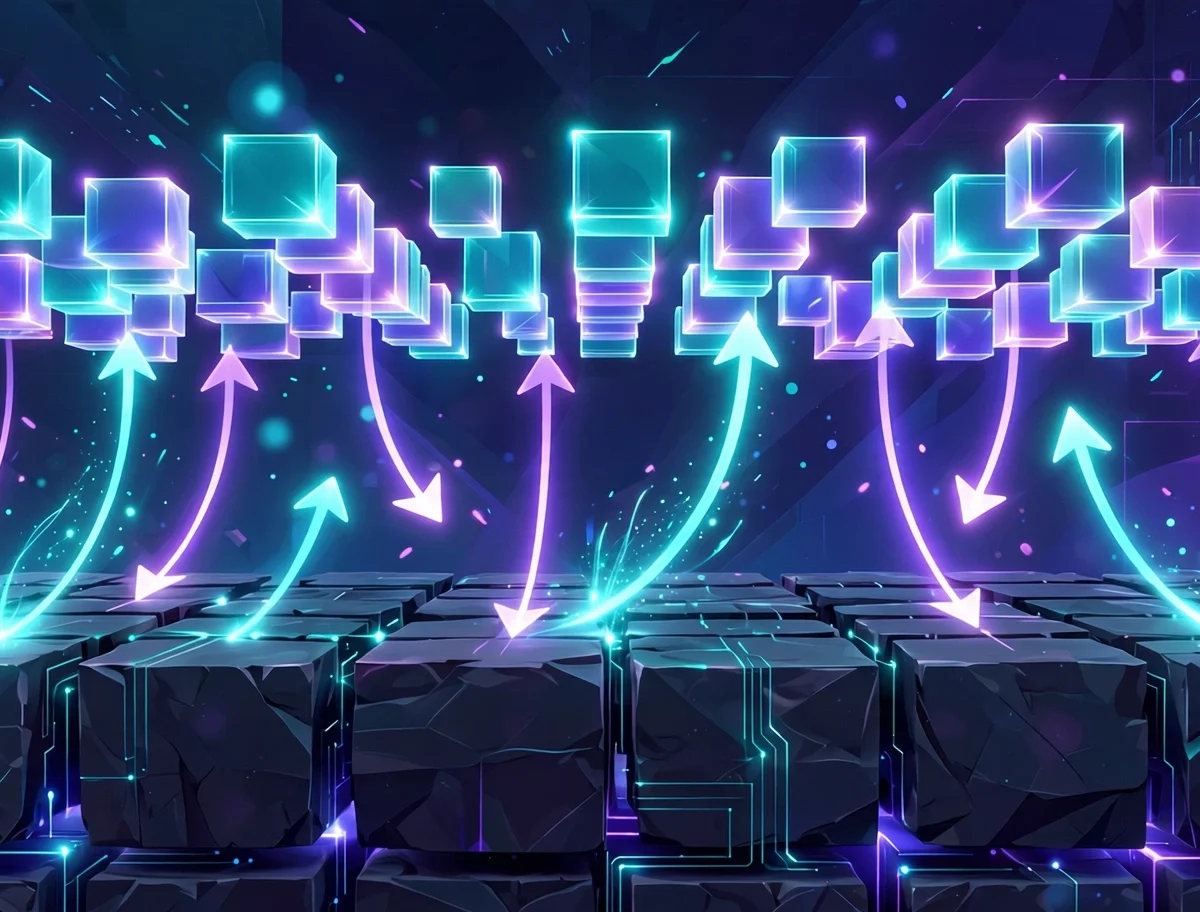
The core idea is simple: instead of making every user compete for expensive Layer 1 blockspace, a Layer 2 processes many transactions in its own faster, cheaper environment, bundles them together, and posts a summary to the base chain. Because the base chain verifies or arbitrates that summary, the Layer 2 inherits much of the Layer 1’s security without inheriting its costs.
Layer 2 exists to solve the most famous tradeoff in crypto, the scalability trilemma: blockchains struggle to be simultaneously decentralized, secure, and scalable. Rather than redesigning the base layer and risking its security, Layer 2 moves the scaling work to a second layer that leans on the first for final truth.
Why Layer 2 Matters: Fees and Speed
During peak demand, a simple action on Ethereum mainnet has historically cost tens of dollars in fees, pricing out everyday use cases like small payments, gaming, and frequent trading. Layer 2 networks reduce fees by spreading the cost of one Layer 1 settlement across hundreds or thousands of bundled transactions. After upgrades like Dencun in March 2024, which made posting rollup data to Ethereum far cheaper, Layer 2 transaction costs fell dramatically, and routine actions on major rollups commonly cost a fraction of a cent to a few cents in calm conditions. This is what makes on-chain apps usable for ordinary users rather than only for large traders who can absorb mainnet fees. It is one of the clearest examples of the next wave of crypto innovation playing out in real infrastructure.
The Main Types of Layer 2 Solutions
Several designs fall under the Layer 2 umbrella, but rollups have become the dominant approach for Ethereum scaling.
Rollups: The Gold Standard
Rollups execute transactions off the Ethereum mainnet, bundle them into batches, and submit either the compressed data or a proof of the batch to Layer 1. There are two main designs, distinguished by how they prove to Ethereum that the batched transactions are valid.
State Channels
State channels let a fixed set of participants transact privately off-chain and only settle the final result on-chain. The Bitcoin Lightning Network works on this principle for payments. Channels are excellent for repeated interactions between the same parties but awkward for one-off transactions with strangers.
Plasma and Validium
Plasma creates child chains anchored to the main chain, an older design that rollups have largely superseded. Validium resembles ZK rollups but stores transaction data off-chain for even lower costs, trading some data-availability guarantees for cheaper operation.
Optimistic Rollups Explained
Optimistic rollups, used by Arbitrum, Optimism, and Base, take the simpler approach: they submit transaction batches to Ethereum and assume they are valid by default. That is where the name comes from. They are optimistic about validity.
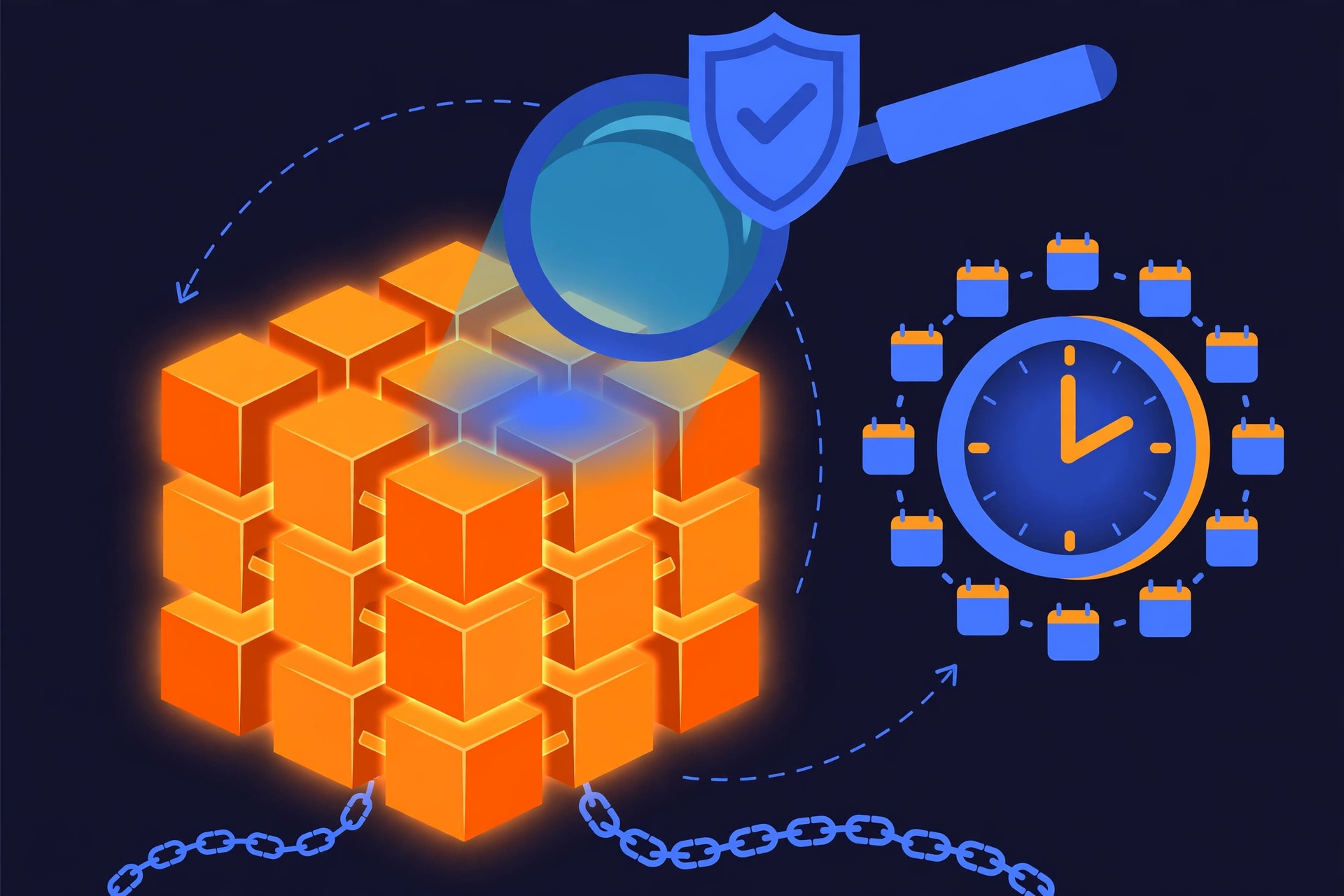
The catch is the challenge window, typically around seven days. During this period, anyone watching the network can submit a fraud proof if they spot an invalid transaction in a batch. If a challenge succeeds, the bad batch is rejected and corrected. If nobody challenges within the window, the batch is finalized. The tradeoff is time: withdrawals of funds from an optimistic rollup back to Ethereum are delayed by that challenge period, because assets cannot safely move until finality is assured.
Optimistic rollups were early leaders partly because they were easier to make fully compatible with Ethereum’s programming environment, letting developers port existing apps with minimal changes.
ZK Rollups Explained
ZK rollups, used by zkSync, StarkNet, Linea, and Scroll, take the more mathematically intensive approach. Along with each batch, they generate a zero-knowledge validity proof, a cryptographic proof that the entire batch of transactions was computed correctly, and Ethereum verifies that proof before finalizing the batch.
Because validity is proven up front rather than assumed, there is nothing to challenge later, and withdrawals are effectively fast once the proof clears. For years the tradeoff was that ZK rollups were expensive to prove and hard to make fully compatible with Ethereum smart contracts. That gap has closed substantially: modern ZK rollups run full EVM-equivalent environments, and specialized prover hardware has driven proving costs down sharply. Many observers expect the long-term end state to be hybrid, with optimistic architectures adding ZK proofs as a finality layer.
Optimistic vs ZK Rollups: Which Is Better?
Neither design wins on every dimension. Optimistic rollups have a longer track record, deep liquidity, and broad app support, with the cost of slower withdrawals. ZK rollups offer faster finality and stronger cryptographic guarantees, with historically higher proving complexity. For everyday users the practical differences are narrowing: both are dramatically cheaper and faster than Ethereum mainnet, and both ultimately settle to Ethereum. When choosing between them, look at the specific apps you want to use, the liquidity available, the fee levels, and how quickly you might need to move funds back to Layer 1.
Layer 2 vs Sidechains: An Important Distinction
People often lump sidechains in with Layer 2s, but the security difference matters. A true Layer 2 rollup posts its transaction data to Ethereum and lets Ethereum validate state through fraud proofs or validity proofs. Ethereum is the final arbiter of what is valid. A sidechain has its own validator set and its own security budget. Ethereum does not validate sidechain blocks or store sidechain data, so if a sidechain’s validators collude or fail, they can rewrite the chain’s state in ways a rollup cannot. Sidechains can be fast and cheap, but they do not inherit Ethereum’s security the way rollups do.
How to Use a Layer 2 Network
Using a Layer 2 is straightforward, but a few mechanics are worth knowing before you start.
- Bridge your assets. You move funds from Ethereum to the Layer 2 through a bridge, which locks tokens on Layer 1 and mints the equivalent on Layer 2. Bridging itself costs a mainnet transaction fee, so it makes sense when you plan to do enough activity on the Layer 2 to earn the savings back. Network conditions and bridge options change over time, so following market insights on major networks like Avalanche can help you plan larger moves.
- Pay fees in ETH. Most Ethereum Layer 2s still price transaction fees in ETH, so keep a small ETH balance on the Layer 2 for gas.
- Use a compatible wallet. Standard wallets like MetaMask work fine; you just add the Layer 2 network and switch to it.
- Plan your exit. Moving funds back to Ethereum costs a withdrawal transaction, and on optimistic rollups you wait out the challenge window. Do not park funds on a Layer 2 if you might need them on mainnet urgently.
Risks and Limitations of Layer 2
Layer 2 networks reduce fees without eliminating risk. Bridge risk is the big one: bridges hold large pools of locked assets and have been prime targets for exploits. Many rollups still rely on a single sequencer to order transactions, which introduces centralization and potential downtime. Upgrade keys and admin controls mean some networks are less decentralized in practice than in theory, and smart contract bugs can exist at any layer of the stack. Before moving significant funds, check the bridge design, the proof system, data availability arrangements, sequencer setup, and upgrade controls of the specific network you plan to use.
Frequently Asked Questions
Is Ethereum a Layer 1 or Layer 2?
Ethereum is a Layer 1 blockchain. Networks such as Arbitrum, Optimism, Base, zkSync, and StarkNet are Ethereum Layer 2 networks because they help scale Ethereum activity.
What is the difference between Layer 2 and a sidechain?
A Layer 2 rollup posts transaction data to Ethereum and uses Ethereum to validate state through fraud proofs or validity proofs, so Ethereum is the final arbiter. A sidechain runs its own validators and security, and Ethereum does not validate its blocks.
Are Layer 2 networks safe?
They can be useful and secure, but they are not risk-free. Users should review bridge design, proof systems, data availability, sequencer risk, upgrade controls, smart contract audits, and liquidity before moving funds.
Why are Layer 2 fees usually lower?
Layer 2 networks process many transactions away from the base chain and then batch, compress, or prove them on Layer 1. This spreads the cost of expensive base-layer blockspace across many users, so each transaction pays far less.
Do Layer 2 blockchains have their own tokens?
Some do and some do not. Tokens like ARB or OP are used for governance, incentives, or ecosystem development on their networks, while you typically still need ETH to bridge assets and often to pay fees.
What is the difference between optimistic and ZK rollups?
Optimistic rollups assume transaction batches are valid unless someone submits a fraud proof during a challenge window of about seven days. ZK rollups submit cryptographic validity proofs that Ethereum verifies up front, which allows faster finality.
Related Articles
- Crypto30x.com Avalanche: Real-Time AVAX Price, Charts, and Market Insights
- Riding the Next Wave of Crypto Innovation
- Crypto30x.com Gigachad: The Boldest Meme Coin Revolution in 2025

The Verdict
Layer 2 is how Ethereum scales without sacrificing what makes the base layer trustworthy. Rollups do the execution work off-chain and let Ethereum settle the truth, with optimistic rollups relying on fraud proofs and challenge windows and ZK rollups relying on cryptographic validity proofs. Sidechains look similar on the surface but do not inherit Ethereum’s security, which is the distinction that matters most. For users, the practical payoff is simple: the same apps, far cheaper and faster, as long as you respect bridge risk and plan your exits. DigitalGeekSpot will keep covering blockchain scaling as the technology evolves, so this is a topic worth revisiting.
Note: this article is general educational information about blockchain technology, not financial advice. Always do your own research before moving funds to any network.