

If you have ever asked yourself what to eat before a workout, you are in good company. It is one of the most common nutrition questions among beginners and experienced exercisers alike. The food you eat before training can affect your energy levels, your comfort during the session, and how much you enjoy your workout, so getting the basics right is worth a little thought.
The good news is that pre-workout eating does not need to be complicated. You do not need expensive supplements or complicated formulas to fuel a good session. A little planning around timing and a few simple food choices are enough for most people. This guide explains general pre-workout nutrition principles, easy meal ideas for different time windows, and the foods that are better avoided right before training. Please note this is general information only, not personal medical advice, so if you have a health condition or specific dietary needs, talk to a qualified professional before making changes.
Why What You Eat Before Training Matters
Exercise asks your muscles to do extra work, and that work needs fuel. Your body stores energy in the muscles and liver in the form of glycogen, which is made from the carbohydrates you eat. When you train, especially at higher intensities, your body draws on these stores. Eating beforehand helps top them up so you can start your session feeling ready rather than running on empty.
Eating before a workout can also help you feel more comfortable. Training on a completely empty stomach works for some people, especially for short, easy sessions, but many find that a small, well-timed snack helps them push through without feeling lightheaded or sluggish. On the other hand, eating a large, heavy meal right before intense exercise can leave you feeling bloated or nauseous, because digestion competes with your muscles for blood flow. The goal is to find the middle ground: enough fuel to perform, eaten early enough to digest comfortably.
It is also worth remembering that no single pre-workout meal will transform your fitness. What matters most is your overall eating pattern across the day and the week. Think of the pre-workout meal as one helpful piece of a bigger picture that includes balanced meals, enough water, and good sleep.
The Three Nutrients That Fuel Your Workout
All three macronutrients play a role in pre-workout nutrition, but they do not all play the same role. Understanding what each one does can help you build a sensible plate.
Carbohydrates: your main energy source
Carbohydrates are the body’s preferred quick fuel for exercise. Foods like oats, bananas, rice, bread, and fruit break down into glucose, which tops up muscle glycogen stores. For most workouts, carbs should make up the largest share of your pre-workout meal or snack. Simple, familiar carbohydrate foods also tend to digest quickly, which is useful when you are eating closer to training time.
Protein: supports your muscles
Protein provides the building blocks your muscles use for repair and growth. Including a moderate amount of protein in your pre-workout meal, such as yogurt, eggs, chicken, or lentils, can help support recovery after the session. You do not need a huge amount before training, since very high protein meals digest slowly and can feel heavy. A palm-sized portion alongside your carbs is a sensible general guide.
Fats: useful, but keep them light
Fats are an important part of a balanced diet and provide energy for longer, lower-intensity activity. However, fat slows digestion, so a very fatty meal right before a workout can sit heavily in the stomach. If you are eating a couple of hours before training, a normal amount of healthy fat is fine. If you are eating within the hour, keep fat low and let carbs lead.
When to Eat Before a Workout
Timing matters almost as much as food choice. The general principle is simple: the closer to your workout, the smaller and simpler the meal should be.
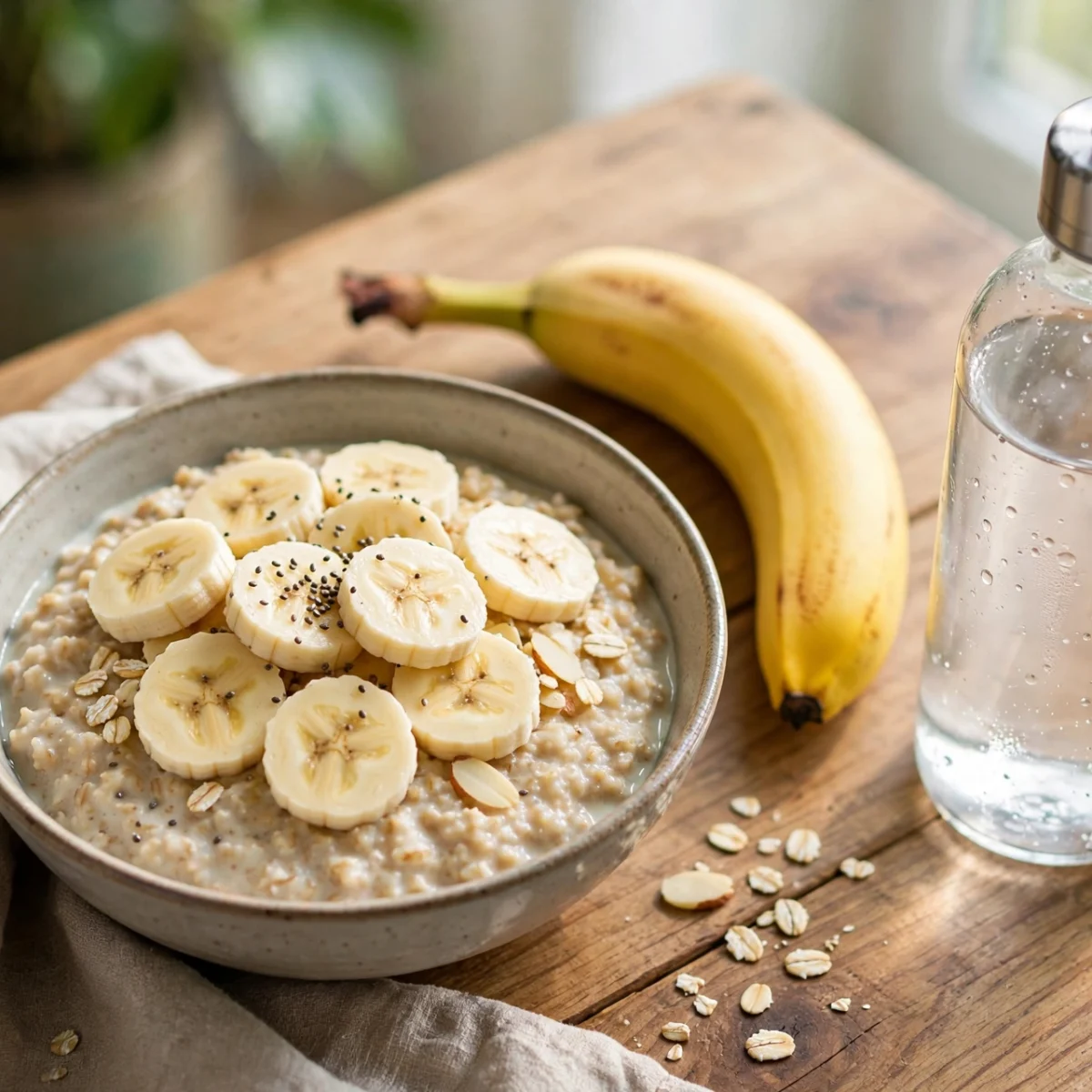
Two to three hours before: This is the window for a proper balanced meal. You have enough time to digest, so you can include all three macronutrients. Examples include a bowl of oatmeal with banana and peanut butter, rice with chicken and vegetables, or a sandwich with eggs and salad. Eat until you are comfortably satisfied, not stuffed.
One hour before: Go for a smaller meal or a hearty snack that is mostly carbohydrates with a little protein. A banana with a small yogurt, toast with honey, or a bowl of cereal with milk all work well. Keep fiber and fat moderate so digestion stays easy.
30 minutes or less before: Stick to a small, quick-digesting snack. A banana, a handful of dried fruit, a few rice cakes, or a small sports drink are common choices. The aim is a little quick energy without filling your stomach.
These are general guidelines, and individual tolerance varies. Some people can eat a full meal an hour before training with no trouble, while others need two full hours even for a snack. Pay attention to how your stomach feels during different workouts and adjust your timing until you find what suits you.

Simple Pre-Workout Meal Ideas
If you train in the late morning, afternoon, or evening, you will probably eat a full meal a few hours beforehand. Here are some simple, balanced ideas built around familiar foods:
- Oatmeal bowl: cooked oats topped with sliced banana, a spoonful of peanut butter, and a drizzle of honey. Carbs lead, with a little protein and fat for staying power.
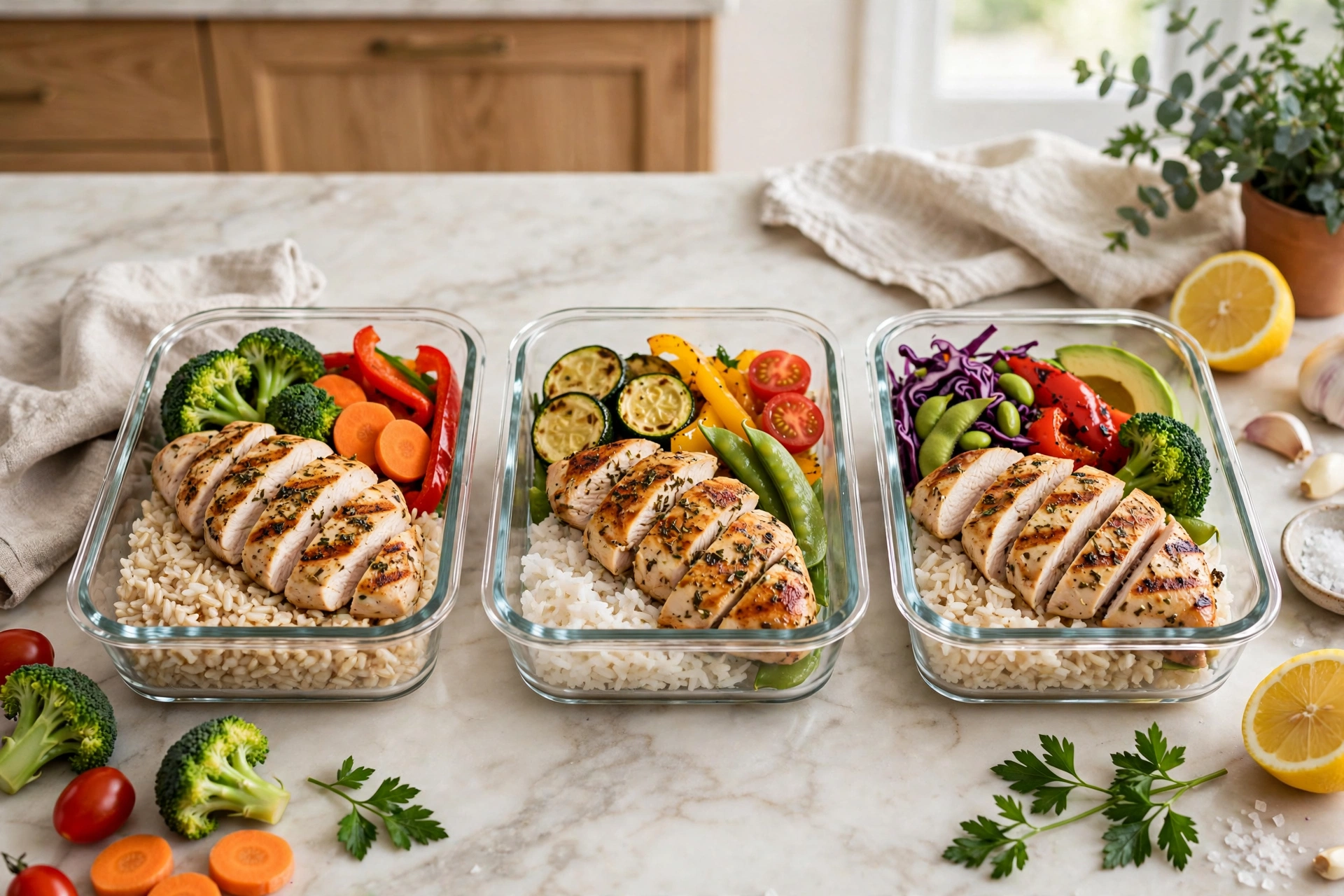
- Rice and chicken: a bowl of white or brown rice with grilled chicken and cooked vegetables. Easy to digest and very filling.
- Egg sandwich: two or three eggs in a sandwich or wrap with salad. Simple, affordable, and protein-rich.
- Pasta with light sauce: a moderate bowl of pasta with tomato sauce and some lean protein. A classic choice the night before or hours ahead of a big session.
- Smoothie: blended banana, milk or yogurt, oats, and a spoonful of nut butter. Easy to digest and great if you prefer not to chew a big meal.
- Dal and rice: a bowl of lentils with rice gives you carbs plus plant protein, and it is gentle on most stomachs.
Notice a pattern: each meal centers on carbohydrates, includes a moderate protein source, and keeps heavy fats and excessive fiber in check. You can rotate these ideas through the week so pre-workout eating stays interesting. Planning a few of these in advance also ties in nicely with weekly meal prep habits built around simple whole foods.
Quick Snacks for 30 to 60 Minutes Before
Short on time? These quick snacks digest fast and give you accessible energy without weighing you down:
- A medium banana, on its own or with a teaspoon of honey
- A small bowl of cereal with milk
- Two rice cakes with jam or honey
- A handful of dried dates or raisins
- A small fruit yogurt
- A slice of toast with banana slices
- Half a bagel with a thin spread of peanut butter
Keep portions modest. The goal of a last-minute snack is to take the edge off hunger and top up quick energy, not to replace a meal. If you consistently train within an hour of waking, experimenting with a small snack versus training fasted for easy sessions can help you learn what your body prefers.
Foods to Limit Right Before Exercise
Some foods are more likely to cause discomfort during training, especially intense training. Consider limiting these in the hour or two before a workout:
- Very fatty foods: fried foods, creamy sauces, and large amounts of cheese or fatty meats digest slowly and can feel heavy.
- Very high fiber foods: large salads, beans in big portions, and bran-heavy cereals can cause bloating or gas during exercise for some people.
- Spicy foods: these can trigger heartburn or stomach upset when combined with intense movement.
- Large amounts of dairy: some people tolerate milk and yogurt fine before training, while others find them heavy. Know your own tolerance.
- Sugary sodas and energy drinks: the fizz can cause bloating, and a big sugar rush is often followed by an energy dip.
- Alcohol: impairs coordination, dehydrates you, and has no place before training.
If a food consistently bothers you before workouts, simply move it to another meal. There is no single forbidden list that applies to everyone, so treat these as starting points for your own experiments.
Do Not Forget Hydration
Food gets most of the attention, but water matters just as much. Even mild dehydration can make a workout feel harder than it should. A practical habit is to drink a glass or two of water in the one to two hours before training, and to sip water during the session, especially if you sweat a lot or train in warm weather.
For sessions longer than about an hour, or for very sweaty workouts, drinks containing some electrolytes can help replace what you lose in sweat. For shorter sessions, plain water is perfectly fine. Caffeinated drinks like coffee are popular before training, and a moderate amount is fine for most people, but avoid overdoing it, since too much caffeine can cause jitters or stomach upset. Fruit juices and hydrating whole fruits can also contribute to your fluid intake; you can read more about one hydrating option in our guide to cranberry juice benefits.
Pre-Workout Eating for Different Workout Types
The basics stay the same across activities, but a few tweaks can help you match your fuel to your training.
Strength training: A balanced meal two to three hours before works well, with carbs for energy and moderate protein to support your muscles. A quick carb snack 30 to 60 minutes before is a good backup if your last meal was a while ago. Our guide on how to do a proper push-up is a good example of a strength session that benefits from steady, comfortable energy.
Running and cardio: Cardio sessions, especially longer ones, reward good carb fueling. Runners often favor familiar, low-fiber carbs before a run to avoid stomach trouble. If you are building up your mileage, our guide to training for your first 5K pairs well with these fueling basics.
Home workouts: It is tempting to skip the snack when training at home, but even a short bodyweight session feels better with a little fuel if your last meal was hours ago. See our home workouts without equipment for session ideas that match these nutrition tips.
Early morning workouts: If you train within 30 minutes of waking, a full meal is not practical. A banana, a few dates, or a small glass of juice can give you quick energy. Some people prefer fasted easy sessions in the morning, which is fine for low-intensity work, but keep a snack handy in case your energy dips.
For more fitness and nutrition guides like this one, visit the DigitalGeekSpot homepage.
Frequently Asked Questions
Should I eat before a morning workout?
It depends on the session and your body. For short, easy morning workouts, many people do fine on just water, especially if they ate well the night before. For harder or longer sessions, a small quick snack like a banana or a few dates 20 to 30 minutes before can noticeably improve your energy. Try both approaches and see which leaves you feeling better.
How long should I wait to exercise after eating?
As a general guide, wait two to three hours after a large meal, one to two hours after a smaller meal, and about 30 minutes after a small snack. These are starting points, not strict rules. Lighter, lower-intensity exercise like walking needs less waiting time than intense running or heavy lifting.
Is it bad to work out on an empty stomach?
Not necessarily. Fasted training is fine for many people doing short or low-intensity sessions, and some prefer how it feels. The downsides can include lower energy, dizziness, or a weaker performance in hard sessions. If you feel lightheaded, nauseous, or unusually tired when training fasted, try a small snack beforehand instead.
What is the best pre-workout snack?
There is no single best snack, but the most popular choices share traits: mostly carbohydrates, easy to digest, and familiar to your stomach. A banana is the classic example, which is why you see athletes eating them before events. Toast with honey, a small bowl of cereal, or dried fruit are equally good options.
Should I take pre-workout supplements?
Most beginners do not need them. Whole foods and water cover pre-workout needs for the vast majority of recreational exercisers. Supplements are no substitute for consistent training, balanced meals, and sleep. If you are curious about any supplement, research it carefully and consider speaking with a qualified professional first.




1 Comment