Learning how to build a capsule wardrobe is one of the most practical steps you can take toward getting dressed with less stress and more confidence. A capsule wardrobe is a small, curated collection of versatile clothing pieces that all work together, so you can create dozens of outfits from a fraction of the clothes most people own. If you have ever stood in front of a full closet and felt like you had nothing to wear, this guide is for you. Below, you will find a beginner-friendly, step-by-step process: auditing your closet, defining your lifestyle needs, picking a color palette, and a complete 30-piece checklist to get you started.
What Is a Capsule Wardrobe?
A capsule wardrobe is a limited set of clothing items, usually around 25 to 40 pieces, that are chosen for versatility, quality, and how well they mix and match. The concept has been around since the 1970s, when a London boutique owner coined the term to describe a timeless collection of essentials. The idea is simple: instead of owning piles of clothes that only work in one outfit, you own fewer pieces that all coordinate, which makes getting dressed faster and shopping more intentional.
Seasonal accessories like scarves, hats, and statement jewelry are typically not counted in the piece total, and neither are workout clothes, sleepwear, or special-occasion outfits. The core capsule covers your everyday life: work, weekends, errands, and casual social plans. For inspiration on putting those everyday pieces together, these casual outfit ideas for women show how simple combinations can look polished.
A capsule wardrobe does not mean dressing boringly or giving up trends entirely. It means every item you own earns its place by working hard across multiple outfits. You can still follow women’s fashion trends, but you add them deliberately, a piece or two at a time, instead of overhauling your closet every season.
Step 1: Audit Your Current Closet
Before buying anything, take stock of what you already own. Pull everything out of your closet and drawers, or at least go through shelf by shelf, and sort your clothes into three piles: keep, maybe, and let go. Be honest with yourself during this process. Ask these questions about each item:
- Have I worn this in the last year? If not, is there a genuine reason, such as it being seasonal or for a specific occasion?
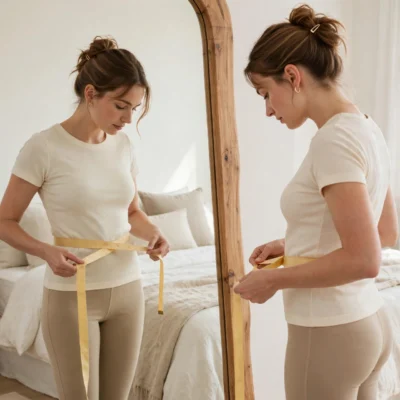
- Does it fit me well right now, not the size I hope to be?
- Does it go with at least three other things I own?
- Would I buy it again today at full price?
Items that fail these questions go into the let-go pile. Donate, sell, or recycle them. Clothes that need small repairs, like a missing button or a loose hem, go into the maybe pile with a deadline: fix them within two weeks or let them go. What remains is your starting point, and you may be surprised to find you already own several capsule-worthy staples.
While auditing, take notes on what you actually reach for day after day. Most people wear a small rotation of favorites on repeat. Those favorites reveal your real style, which is far more useful information than any trend report. Your capsule should be built around the clothes you genuinely like wearing, not the clothes you think you should like.
Step 2: Define Your Lifestyle and Needs
A capsule wardrobe only works if it matches your actual life. A freelancer who works from home needs a very different capsule than someone who attends client meetings five days a week. Write down how you spend a typical week and roughly what percentage of your time goes to each category: work, casual outings, exercise, evenings out, and special events.
Let those percentages guide your piece allocation. If 70 percent of your week is casual, roughly 70 percent of your capsule should be casual-friendly pieces. Beginners often make the mistake of building an aspirational wardrobe, full of office wear they rarely need or party dresses for events that never come. Build for the life you live now, and you will actually wear everything you own.
Also consider your climate. If you live somewhere with four distinct seasons, you may want to build seasonal capsules that rotate, keeping off-season items stored away. If your weather is fairly consistent year-round, one core capsule with a few layering pieces, like a cardigan or a light jacket, will cover you. A comparison of everyday layers, like the one in this guide to sweatshirt vs hoodie differences, can help you decide which casual layers earn a spot in your collection.
Step 3: Choose Your Color Palette
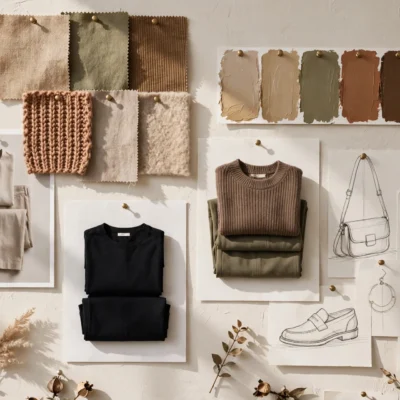
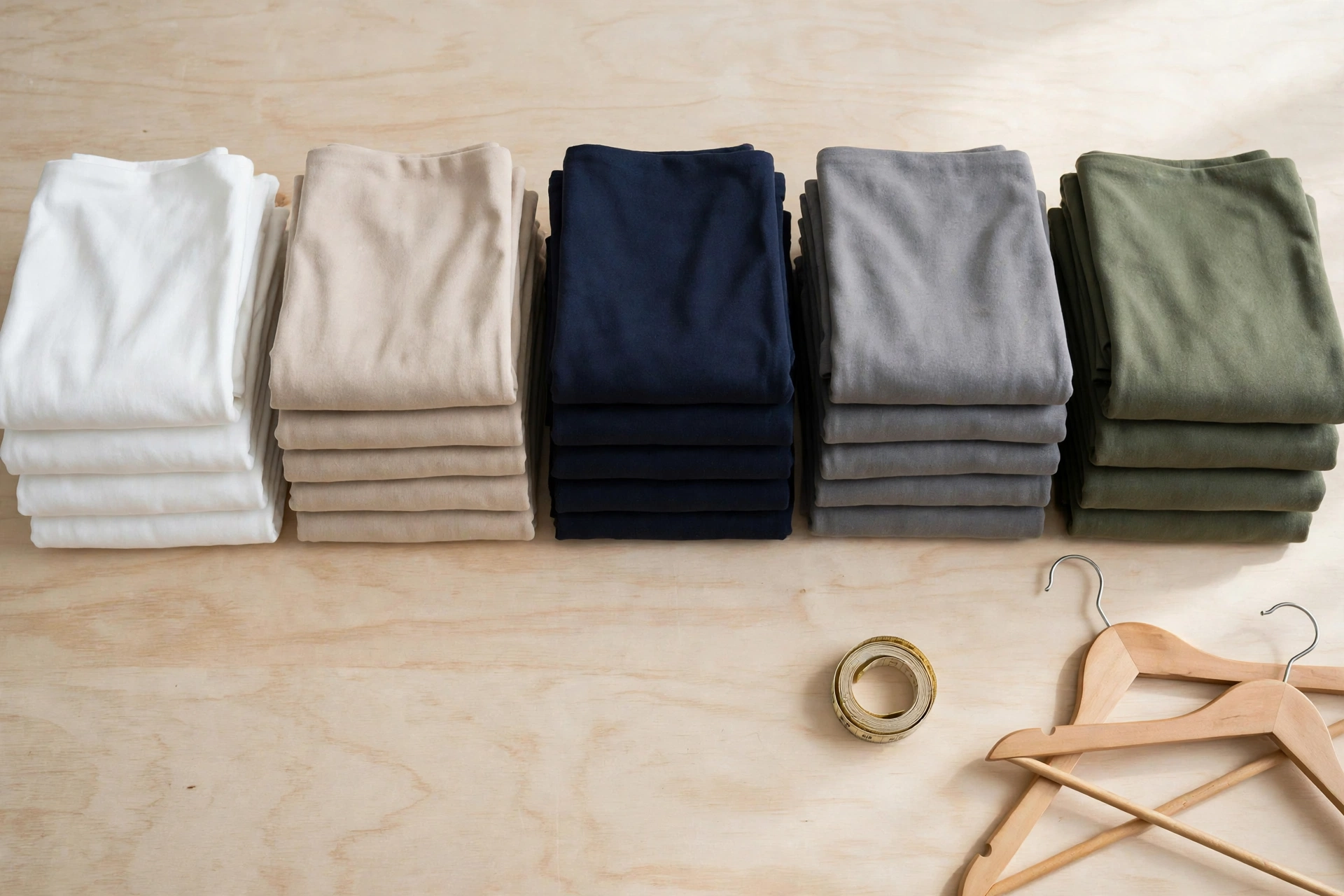
Color coordination is the secret engine of a capsule wardrobe. When your pieces share a palette, almost any top works with almost any bottom, which multiplies your outfit options without adding a single item. Here is a simple framework beginners can follow:
- Pick 2 to 3 neutrals as your base. Black, white, navy, gray, beige, and olive are classic choices. These make up the majority of your wardrobe and ensure everything mixes easily.
- Add 2 to 3 accent colors. These are colors you love wearing near your face and that flatter your skin tone: burgundy, forest green, rust, dusty pink, cobalt, or mustard, for example.
- Include 1 or 2 patterns. Stripes, a simple floral, or a subtle check add visual interest. Keep patterns within your palette so they still coordinate with everything.
To find your best colors, notice which tops earn you compliments or make you feel most confident. You can also hold fabrics up to your face in natural light and see which ones brighten your complexion. There is no need for a formal color analysis, although some people enjoy doing one. The goal is a palette you enjoy wearing on repeat, because in a capsule wardrobe, you will see these colors constantly.
Once your palette is set, apply it ruthlessly when shopping. A gorgeous top in a color outside your palette is not a bargain, no matter how good the sale price, because it will not combine with the rest of your clothes and will sit unworn.
Step 4: Pick Your Core Pieces (The 30-Piece Checklist)
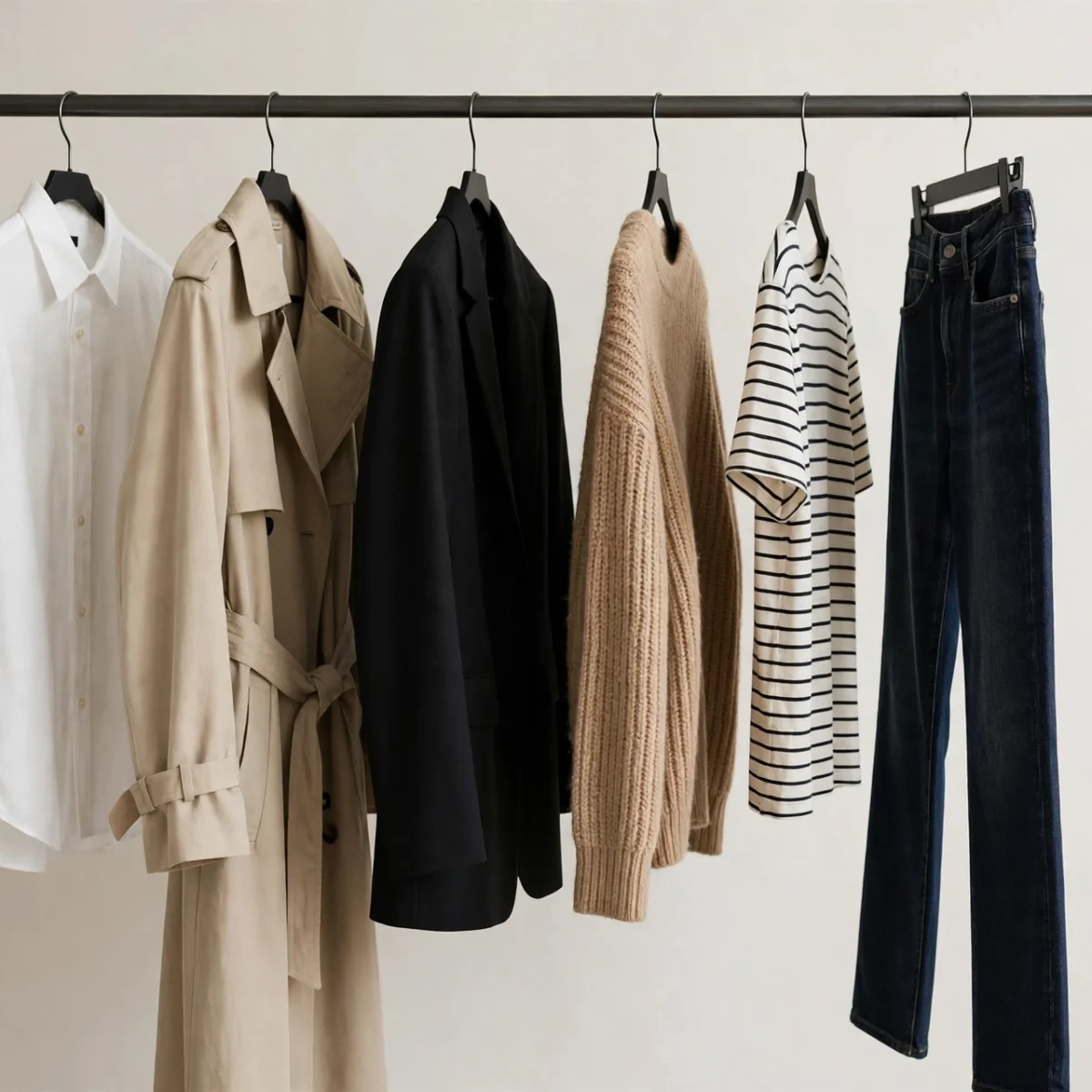
With your audit done and palette chosen, it is time to assemble your core collection. Below is a classic 30-piece starter checklist for a casual-to-smart-casual lifestyle. Adjust the categories to fit your own life, but keep the total in the 25 to 40 range so the wardrobe stays manageable.
Tops (8 pieces)
- 2 plain t-shirts in neutral colors (white, black, or gray)
- 1 striped or patterned tee within your palette
- 2 blouses or button-down shirts (one white, one in an accent color)
- 1 lightweight sweater or knit top
- 1 casual sweatshirt or hoodie
- 1 dressier top for evenings out
Bottoms (7 pieces)
- 2 pairs of jeans (one dark wash, one medium or light wash)
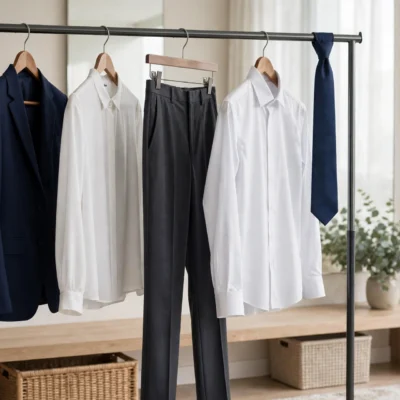
- 1 pair of black trousers or chinos
- 1 pair of tailored pants in a neutral
- 1 casual skirt or pair of shorts, depending on climate
- 1 midi skirt or dressier bottom
- 1 pair of comfortable joggers or relaxed pants for downtime
Dresses and Jumpsuits (2 pieces)
- 1 versatile day dress in a neutral or simple print
- 1 dress that works for evenings or events
Layers (5 pieces)
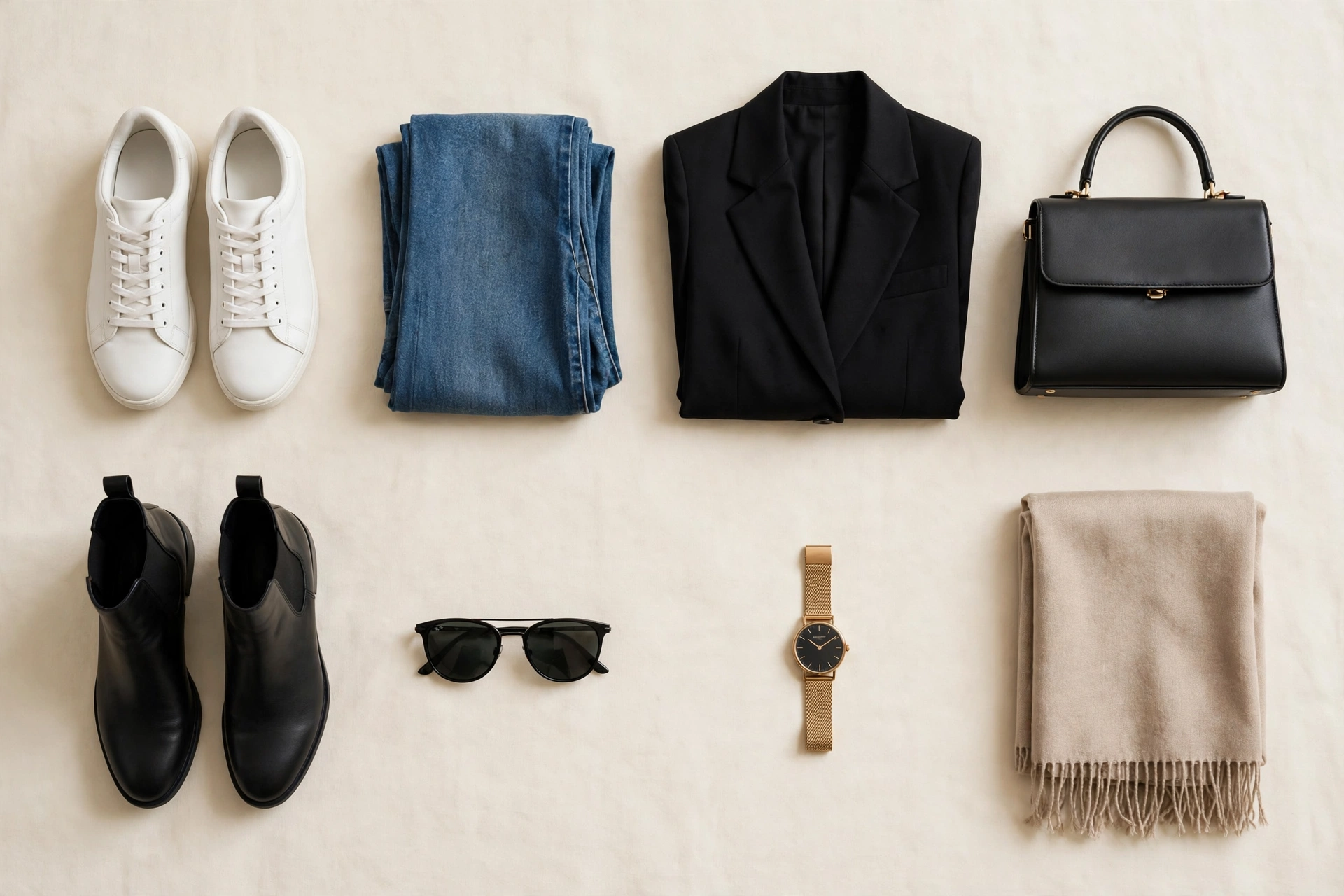
- 1 blazer in a neutral (instantly sharpens any outfit)
- 1 denim jacket
- 1 cardigan in a neutral tone
- 1 seasonal coat (wool coat, puffer, or trench depending on climate)
- 1 light jacket or utility layer
Shoes (5 pieces)
- 1 pair of white sneakers
- 1 pair of comfortable everyday flats or loafers
- 1 pair of ankle boots
- 1 pair of dressier heels or smart shoes
- 1 pair of sandals or seasonal footwear
Bags and Extras (3 pieces)
- 1 everyday bag (tote or crossbody)
- 1 smaller evening bag or clutch
- 1 versatile scarf or belt that ties outfits together
You do not need to buy all 30 pieces at once. Start with what survived your closet audit, note the gaps, and fill them gradually over a few months. Buying slowly also lets you invest in better quality for the pieces you wear most, like jeans and shoes, which pays off in comfort and longevity.
Step 5: Fill the Gaps Strategically
Once you know what is missing, make a written shopping list and stick to it. This is where most capsule attempts succeed or fail. A list keeps you focused on gaps instead of distractions, and it turns shopping from entertainment into a targeted errand. Before purchasing any item, run it through a quick checklist:
- Does it fit my color palette?
- Can I style it at least three ways with pieces I already own?
- Is the quality good enough to survive regular wear and washing?
- Does it fill an actual gap, or am I just tempted by the price or novelty?
Prioritize the pieces you will wear most often. If you live in jeans, spend more on jeans and less on the occasional dress. Quality matters most in high-rotation items: shoes, outerwear, and everyday trousers. For trend-driven accent pieces, affordable options are fine, since you may replace them sooner.
Give yourself a cooling-off rule for non-list items. If you spot something tempting that is not on your list, wait 48 hours before buying. Most impulse desires fade, and the ones that do not can be evaluated properly against your palette and gap list. For more wardrobe planning ideas, you will find more style guides on the DigitalGeekSpot homepage to keep your closet intentional all year.
Capsule Wardrobe Mistakes to Avoid
Beginners tend to stumble in a few predictable ways. Watching out for these pitfalls will save you money and frustration:
- Copying someone else’s list exactly. Capsule checklists online are starting points, not prescriptions. Your lifestyle, climate, and taste should shape the final list.
- Going too minimal too fast. Jumping from 100 pieces to 20 overnight can feel restrictive and lead to a rebound shopping spree. Ease down gradually.
- Ignoring fit. In a small wardrobe, every piece gets worn often, so fit matters enormously. Budget for basic tailoring: hemming trousers and taking in a waistband are inexpensive and transform how clothes look.
- Forgetting your real routine. A capsule full of blazers is useless if you work from home in loungewear. Audit honestly, as described in Step 1.
- Buying everything in one weekend. A capsule built in a single shopping spree usually contains compromises. Build over weeks or months, testing how pieces work together as you go.
Maintaining Your Capsule Wardrobe
A capsule wardrobe is not a one-time project, it is an ongoing habit. Every season, do a mini audit: pull out anything you have not worn, check for wear and damage, and reassess whether your lifestyle or palette needs have shifted. The one-in-one-out rule works well for maintenance: when you add a new piece, remove one that no longer earns its place.
Take care of what you own. Follow washing instructions, store knits folded rather than hung, and repair small issues before they become unwearable. Because capsule pieces are worn more frequently, good care directly extends the life of your wardrobe and protects the investment you made in quality staples.
Finally, allow your capsule to evolve. Your style, body, and life will change, and your wardrobe should change with them. The system stays the same, fewer versatile pieces in a coordinated palette, but the specific items can and should be updated as needed.
Frequently Asked Questions
How many pieces should be in a capsule wardrobe?
Most capsule wardrobes contain between 25 and 40 pieces, not counting underwear, workout gear, sleepwear, or special-occasion outfits. Beginners often find 30 to 35 pieces a comfortable starting point: enough variety to avoid boredom, few enough to keep every item in regular rotation.
How often should you update a capsule wardrobe?
A seasonal refresh, three to four times a year, works well for most people. Swap out weather-inappropriate pieces, replace anything worn out, and add one or two intentional new items. Avoid full overhauls; the point is slow, steady refinement.
Can a capsule wardrobe include colorful or trendy clothes?
Absolutely. A capsule wardrobe is built on a neutral base, but accent colors, patterns, and a few trend pieces keep it personal and current. The key is that even your fun pieces coordinate with the rest of the collection so they get worn instead of gathering dust.
Is a capsule wardrobe expensive to start?
It does not have to be. Most beginners start with what they already own and fill gaps gradually, which spreads the cost over months. Spending more per item on high-rotation staples often costs less over time than repeatedly replacing cheap versions.
Does a capsule wardrobe work for all body types?
Yes. The capsule concept is about quantity and coordination, not specific silhouettes. Choose cuts, rises, and fits that flatter your body within your palette, and consider tailoring for a perfect fit. The system adapts to any size or shape.