Picking up tennis in 2026 is one of the best decisions you can make for your fitness, but the wall of racket options in a sports store can be overwhelming. Too stiff, too heavy, or too small a head, and every lesson becomes a struggle. The right beginner racket does the opposite: it forgives your off-center hits, gives you free power on short swings, and feels comfortable on your arm while you build technique.
One more practical tip: join a beginner clinic or group lesson before you buy. Hitting with a borrowed demo racket for an hour teaches you more about your preferred weight and grip size than any spec sheet, and most clubs run low-cost starter sessions for new players.
Quick answer: The best tennis rackets for beginners in 2026 include the Babolat Pure Drive Lite for all-round easy power, the HEAD Ti S6 for absolute beginners on a budget, the Wilson Clash 100 v3 for arm-friendly comfort, the Babolat Pure Drive 107 for maximum forgiveness, and the Wilson Ultra 108 v3 for effortless power. Look for a head size of 100 to 110 square inches, a weight between 260 and 290 grams unstrung, and a head-light or even balance.
Best Tennis Rackets for Beginners 2026: Quick Comparison
| Racket | Head Size | Weight (unstrung) | Best For |
|---|---|---|---|
| Babolat Pure Drive Lite | 100 sq in | 270 g | All-round easy power |
| HEAD Ti S6 | 115 sq in | 225 g | Absolute beginners, budget pick |
| Wilson Clash 100 v3 | 100 sq in | 295 g (strung) | Arm comfort and control |
| Babolat Pure Drive 107 | 107 sq in | 285 g | Power plus forgiveness |
| Wilson Ultra 108 v3 | 108 sq in | 270 g | Maximum easy power |
| HEAD Boom Team | 102 sq in | 275 g | Controlled, comfortable shots |
What Makes a Tennis Racket Good for Beginners
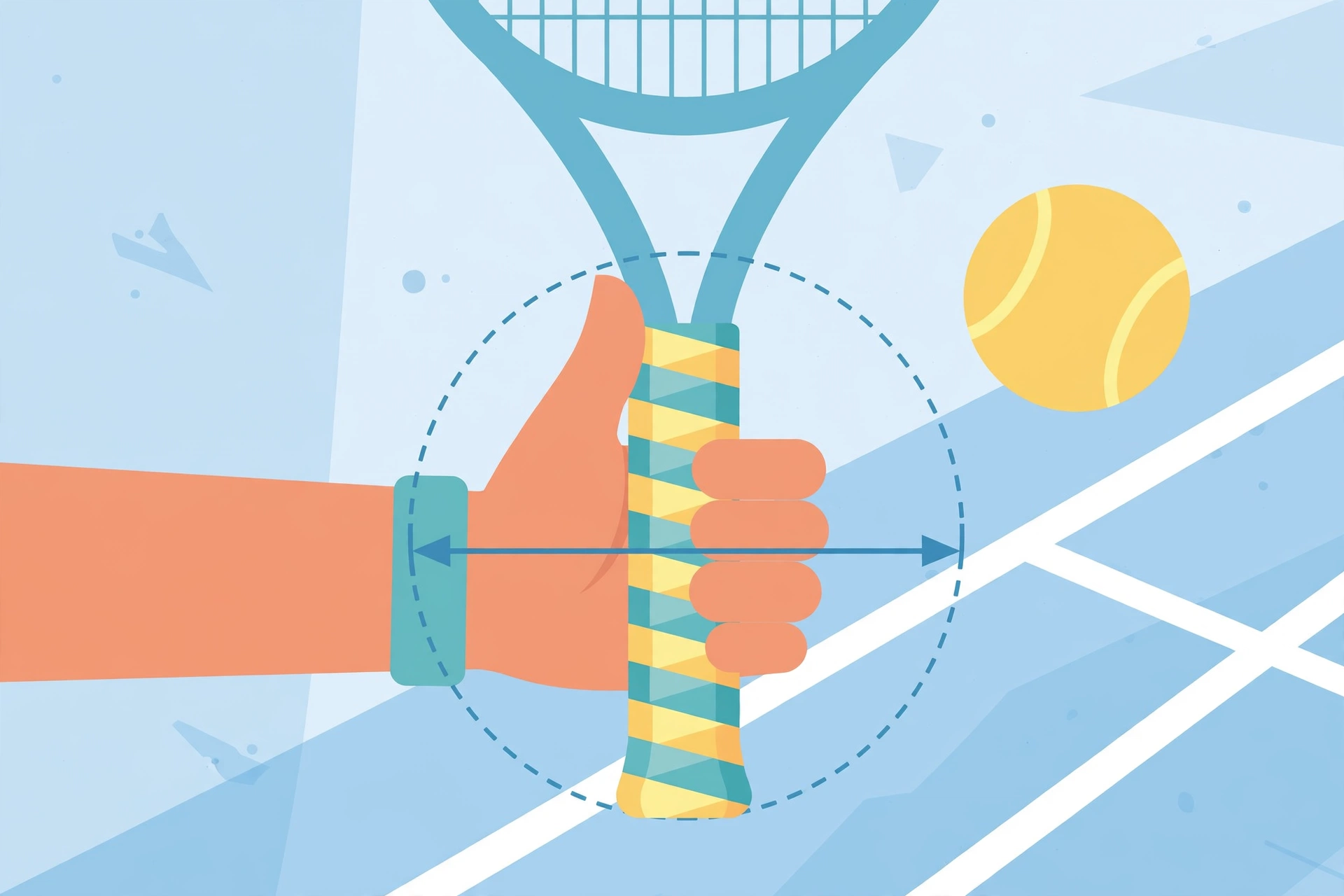
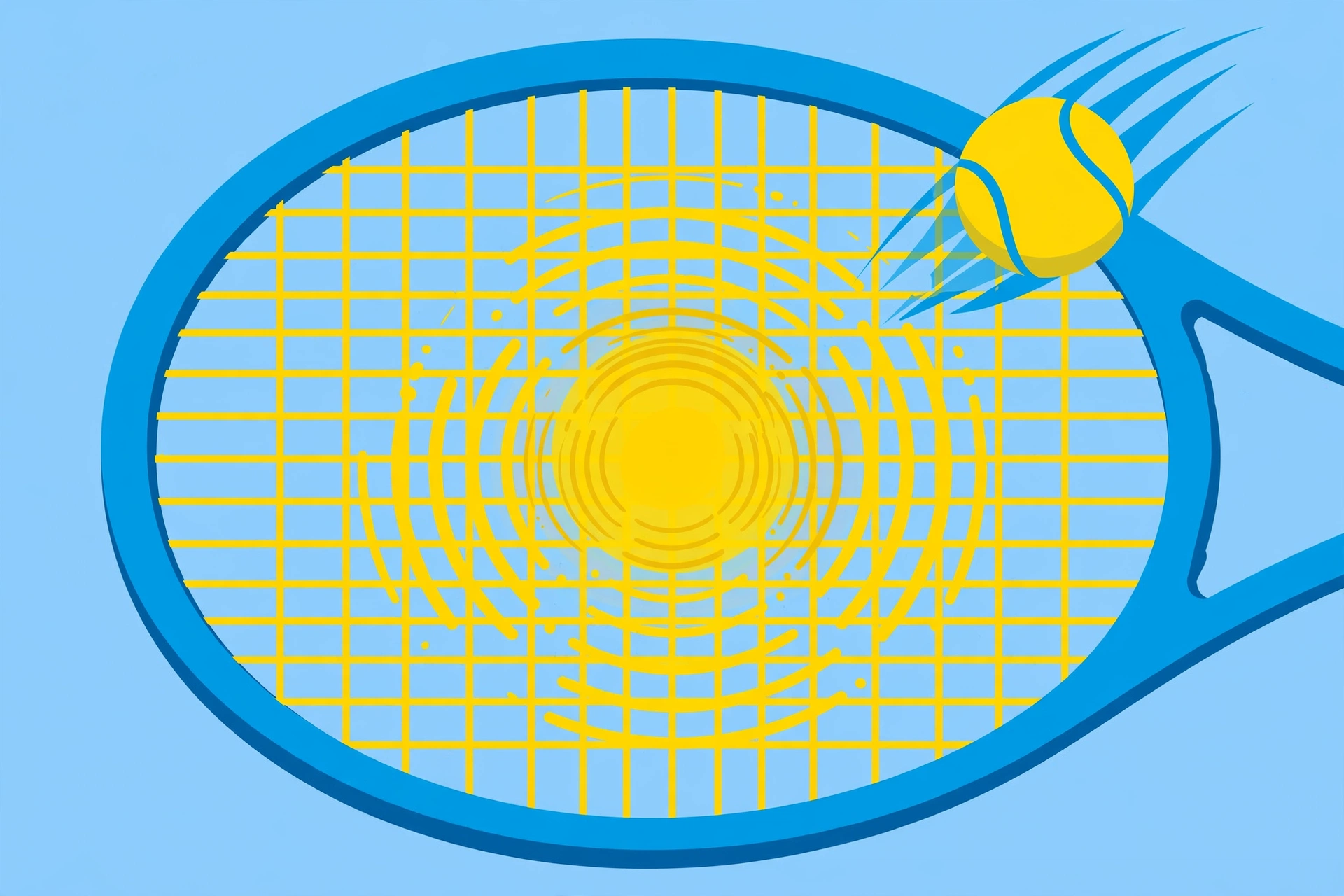
Beginner rackets share a few design traits. A larger head (100 to 110 square inches) creates a bigger sweet spot, so your shots still land in the court when you do not hit the center of the strings. A lighter frame (around 260 to 290 grams unstrung) lets you swing faster with less effort and reduces strain on the elbow and shoulder. A head-light or even balance keeps the racket maneuverable at the net.
Stiffness is the one spec to watch. Very stiff frames give free power but transmit more shock to the arm, which is why arm-friendly models like the Clash series are popular with newer players. Pre-strung rackets are perfectly fine for the first year; you can restring with softer multifilament strings later when you develop a fuller swing. If you are just building your first fitness routine, our guide on starting strength training as a beginner also helps with the conditioning that keeps tennis elbows away.
The 6 Best Tennis Rackets for Beginners in 2026
1. Babolat Pure Drive Lite: Best All-Round Beginner Racket
The Pure Drive Lite is the beginner-friendly version of one of the most popular racket lines in tennis. Its 100-square-inch head and 270-gram unstrung weight deliver easy power without sacrificing too much control, and the swingweight stays under 300, which makes it manageable for players who are still learning to swing fully. The 16×19 string pattern adds helpful spin for keeping the ball in play.
- Head size: 100 sq in
- Weight: 270 g unstrung
- Strengths: Free power, forgiving sweet spot, light enough for long rallies
- Consider if: You want one racket that grows with you through the first couple of years
2. HEAD Ti S6: Best Budget Pick for Absolute Beginners
The Ti S6 is a legend in the beginner category. Its oversized 115-square-inch head is one of the most forgiving on the market, and at around 225 grams unstrung it is light enough for anyone to swing. The titanium and graphite composite keeps the price very accessible, which makes it ideal if you are not yet sure how often you will play.
- Head size: 115 sq in
- Weight: 225 g unstrung
- Strengths: Huge sweet spot, extremely light, excellent value
- Consider if: You want the most forgiving frame possible while spending as little as possible
3. Wilson Clash 100 v3: Best for Arm Comfort
The Clash line is famous for its flexible frame that bends on impact, absorbing shock before it reaches your arm. For beginners who have felt twinges in the elbow or wrist, this is the safest high-quality choice. The 100-square-inch head keeps control in check, and the frame is stable enough that you will not outgrow it quickly.
- Head size: 100 sq in
- Weight: 295 g strung
- Strengths: Exceptional comfort, low vibration, controlled power
- Consider if: You have a sensitive elbow or want a racket that lasts into intermediate play
4. Babolat Pure Drive 107: Best for Power and Forgiveness
The 107-square-inch version of the Pure Drive pairs the line’s famous easy power with an even bigger sweet spot. At 285 grams it has enough mass to stay stable on contact, so the ball does not fly unpredictably on mishits. This is a great pick for athletic beginners who already swing hard and need the extra forgiveness.
- Head size: 107 sq in
- Weight: 285 g unstrung
- Strengths: Big sweet spot, stable feel, powerful baseline game
- Consider if: You are an athletic beginner who wants power with a safety net
5. Wilson Ultra 108 v3: Best for Maximum Easy Power
The Ultra 108 is built for one thing: making the ball go fast with short, compact swings. The 108-square-inch head and light 270-gram weight mean even tentative swings produce a deep ball, which builds confidence fast. Pre-strung and ready to play, it is a straightforward choice for casual and recreational players.
- Head size: 108 sq in
- Weight: 270 g unstrung
- Strengths: Effortless power, large sweet spot, ready to play out of the box
- Consider if: You want the easiest possible power while learning the basics
6. HEAD Boom Team: Best for Controlled Shots
The Boom Team sits at 102 square inches and 275 grams, striking a balance between the forgiving oversized frames and the control-oriented 100-square-inch models. It suits beginners who are developing decent technique quickly and want a racket that rewards cleaner contact with more control, without punishing small mistakes.
- Head size: 102 sq in
- Weight: 275 g unstrung
- Strengths: Balanced power and control, comfortable feel, room to grow
- Consider if: You are improving fast and want control without losing forgiveness
How to Choose: Grip Size, Strings, and Length
Beyond the frame itself, three setup details matter. First, grip size: most adult beginners fit size 2 (4 1/4 inches) or size 3 (4 3/8 inches). Hold the racket and check whether your fingertips lightly touch your palm; if they dig in, the grip is too small, and if they cannot reach, it is too large. When in doubt, go smaller, because you can always build up a grip with overgrip tape.
Second, strings: pre-strung rackets suit beginners perfectly for the first year. When the factory strings feel dead, usually after about 12 months, restring with multifilament strings, which offer better feel and arm comfort than basic synthetic gut. Third, length: the standard 27 inches suits almost every adult beginner; slightly longer frames like 27.25 or 27.5 inches add reach and power but feel less maneuverable.
How Much Should a Beginner Spend on a Racket
A good recreational racket costs between 150 and 250 dollars, and there is no meaningful performance benefit above about 350 dollars for a beginner. Budget-friendly options like the HEAD Ti S6 and Wilson Tour Slam cost much less and play perfectly well for learning the game. A sensible approach is to spend under 100 dollars until you understand your game, then invest in a frame that fits your developing style. Pair your racket with proper footwear and basic gear; our beginner fitness gear guide covers the conditioning equipment that keeps new players injury-free.
Beginner Mistakes to Avoid
- Buying a pro-spec frame: Heavy, small-headed rackets used by advanced players punish every mishit and slow your learning.
- Ignoring grip size: The wrong grip causes blisters and wrist strain within weeks.
- Stringing too tight: High tension reduces power and feel; beginners do better with lower, arm-friendly tensions.
- Skipping the demo: If a local shop lets you demo, take the chance. Feel matters more than specs on paper.
- Neglecting conditioning: Tennis is a full-body sport. Light strength work, covered in our running stamina guide for beginners, builds the engine behind every rally.
Frequently Asked Questions
What is the best head size for a beginner tennis racket?
Between 100 and 110 square inches is the sweet spot for beginners. This range offers a generous sweet spot for forgiveness while keeping enough control to learn proper technique. Absolute beginners who just want to keep rallies alive often prefer the upper end of that range.
Should a beginner buy a pre-strung racket?
Yes. Pre-strung rackets suit beginners perfectly for the first year of play. The factory strings handle learning-phase tennis without requiring immediate replacement, and you can upgrade to better strings once your swing develops.
How often should I restring my racket?
A common rule is to restring as many times per year as you play per week, or at least twice a year minimum. Dead strings lose tension and control, and they transmit more shock to the arm.
Can a beginner use an intermediate racket like the Babolat Pure Drive?
The full-weight Pure Drive can be demanding for a true beginner, which is why the Pure Drive Lite exists. It keeps the easy power of the line in a lighter, more manageable package. The Pure Drive 107 is another bridge option with a bigger sweet spot.
How long does a tennis racket last?
Quality rackets last 3 to 5 years for amateur players with regular use. Most wear comes from grommets and grips, both of which can be replaced. The frame itself rarely needs replacing unless it cracks from impact.
Is the HEAD Ti S6 too light for real improvement?
It is light and stiff, which makes it extremely forgiving but less stable than heavier frames. It is excellent for the first 6 to 12 months of casual play. Players who start training seriously usually upgrade to a 270-gram-class graphite frame after that.
Verdict
The best tennis racket for beginners in 2026 is the one that matches your body and your ambition. The Babolat Pure Drive Lite is the strongest all-round choice, the HEAD Ti S6 is unbeatable value for absolute beginners, and the Wilson Clash 100 v3 is the pick for anyone with a sensitive arm. Whatever you choose, stay in the 100 to 110 square inch range, keep the weight light, get the grip size right, and spend your energy on lessons and practice rather than gear. For more practical guides on sports and fitness, visit DigitalGeekSpot.