

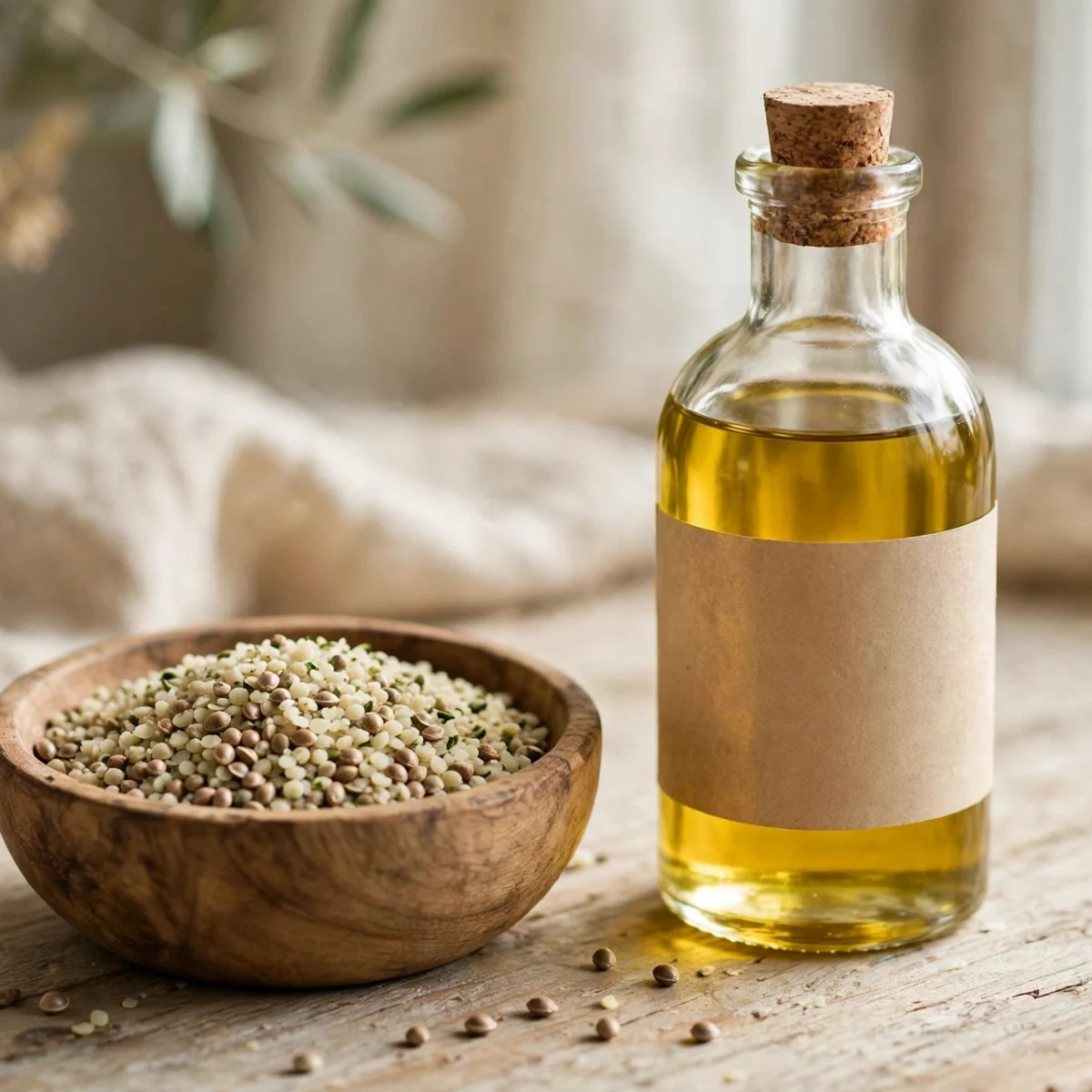
Hemp seed oil vs CBD oil is one of the most common mix-ups in the wellness aisle. The two products come from the same plant species, sit side by side on store shelves, and are sometimes marketed with confusingly similar language. But they are fundamentally different products: they come from different parts of the plant, contain different compounds, and are bought for different reasons. This guide explains the differences clearly and shows you how to read a label so you never buy the wrong one.
The confusion is not entirely accidental. Some sellers use vague terms like “hemp oil” or “cannabis oil” that blur the line between the two, and a few use that ambiguity to charge CBD prices for what is essentially cooking oil. Knowing the difference protects both your wallet and your expectations.
The Short Answer: Different Plant Parts, Different Contents
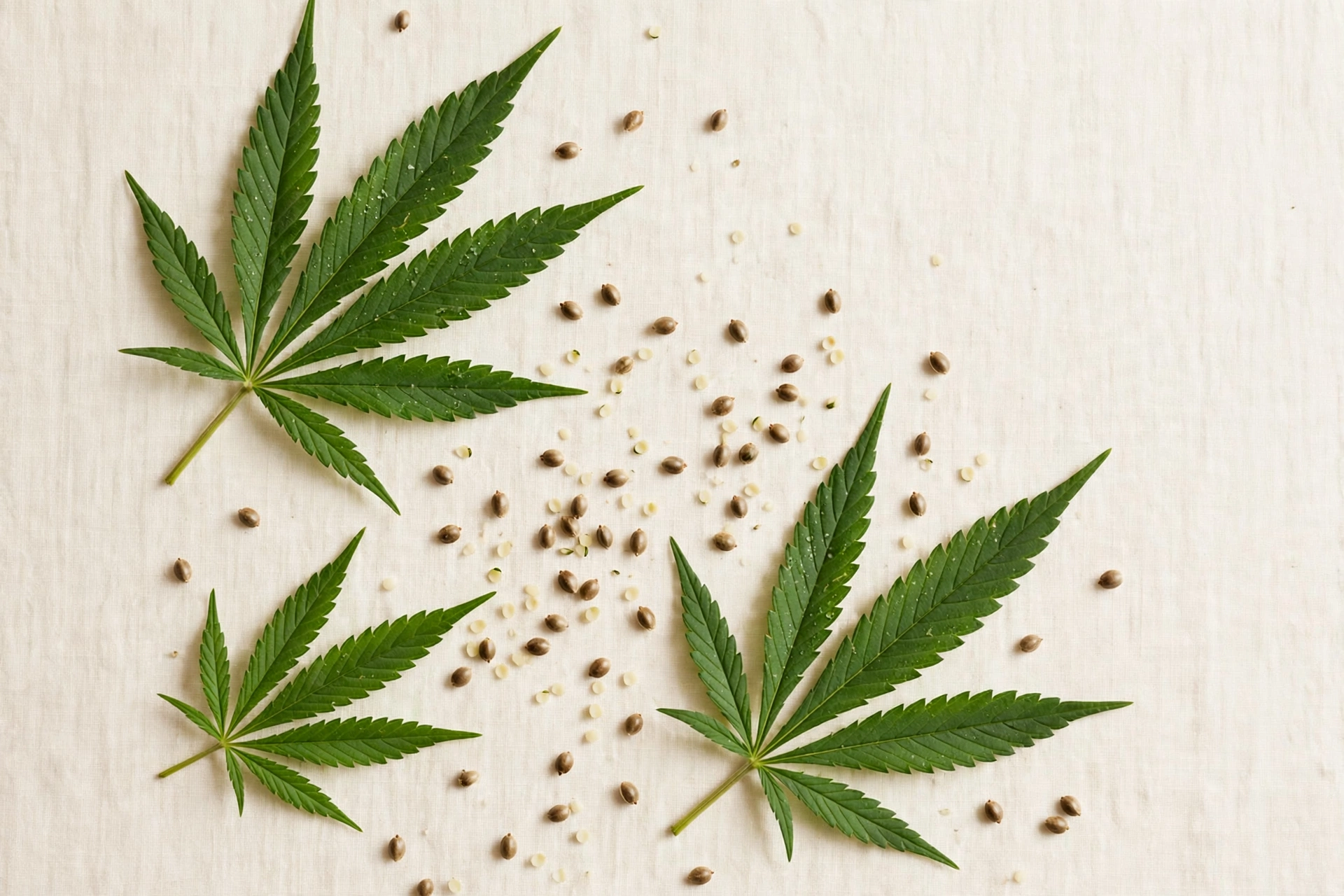
Here is the distinction in one paragraph. Hemp seed oil is pressed from hemp seeds, much like olive oil is pressed from olives. It contains virtually no CBD. CBD oil is made by extracting CBD from the flowers, leaves, and stalks of the hemp plant, then blending that extract into a carrier oil. One is a nutritious food oil; the other is a CBD product. Everything else in this article is detail around that core fact.
What Is Hemp Seed Oil?
Hemp seed oil, sometimes labeled as hempseed oil, is made by cold-pressing the seeds of the hemp plant. The seeds themselves contain only trace amounts of cannabinoids, including CBD, because cannabinoids are concentrated in the plant’s flowers and leaves, not its seeds.
What hemp seed oil does contain is a strong nutritional profile: it is rich in essential fatty acids, including omega-3 and omega-6 in a ratio many nutritionists consider favorable, plus vitamin E and other micronutrients. It has a nutty flavor and is commonly used in salad dressings, smoothies, and cooking at low temperatures, as well as in skincare products where its moisturizing fatty acids are valued.
Hemp seed oil is generally inexpensive compared to CBD oil, widely available in grocery stores, and has a long history as a food product. It is a legitimate, useful oil in its own right. It is simply not a source of CBD.
What Is CBD Oil?
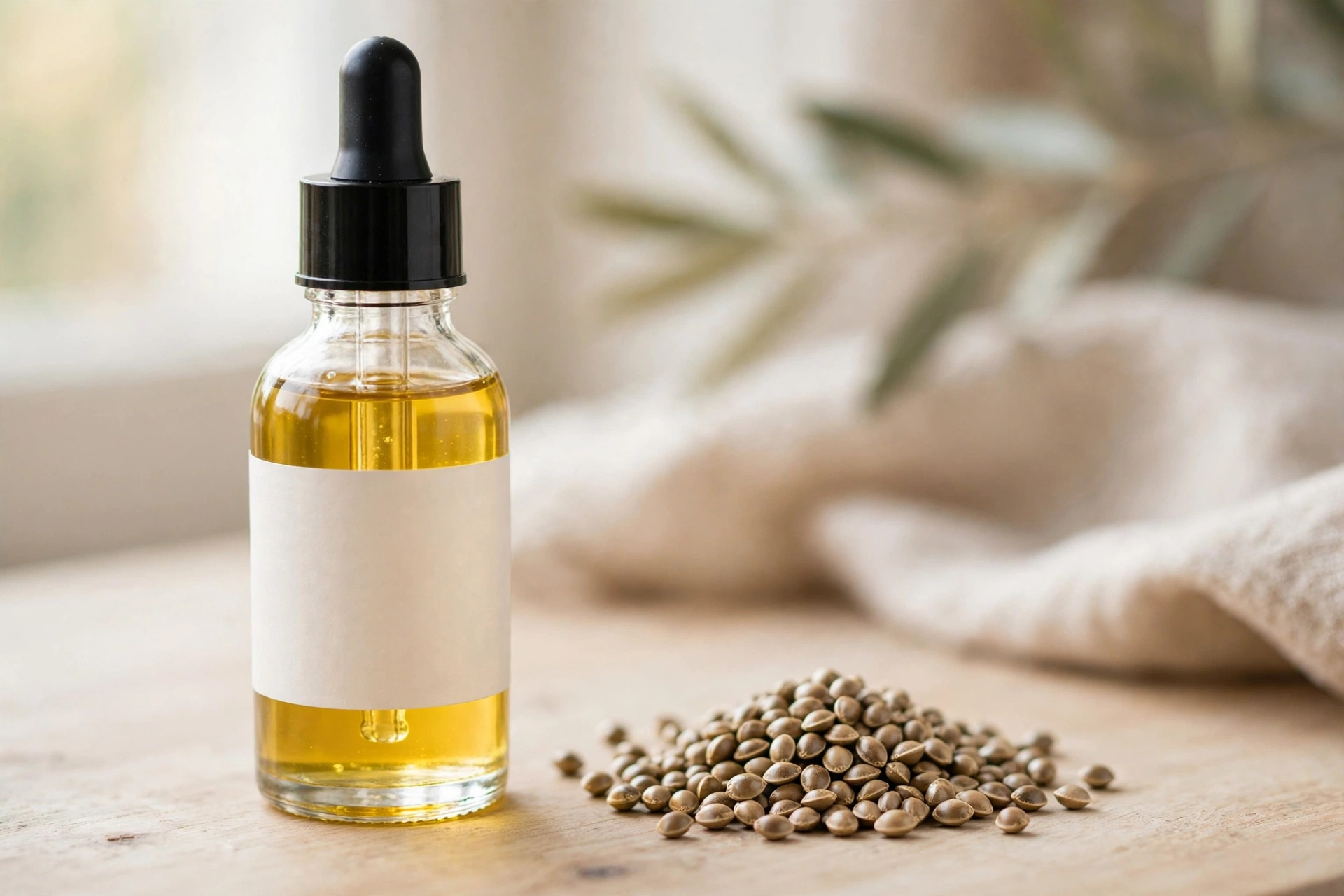
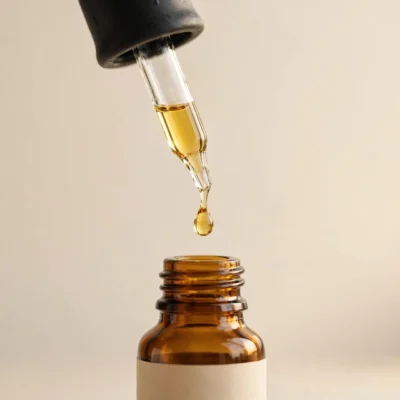
CBD oil starts with an extraction process. Manufacturers pull CBD and other compounds from the flowers and aerial parts of hemp plants bred to be rich in CBD, using methods like CO2 extraction or ethanol extraction. That concentrated extract is then diluted into a carrier oil so it can be bottled, measured with a dropper, and taken in small amounts.
Interestingly, the carrier oil in a CBD product is often hemp seed oil itself. This is one reason labels can be confusing: a CBD oil may list hemp seed oil as an ingredient, but the CBD comes from the added extract, not from the carrier. Always look for the CBD content in milligrams on the label; that number tells you whether you are holding a real CBD product.
CBD oil costs significantly more than hemp seed oil because extraction, testing, and regulatory compliance are expensive. If a product is priced like grocery-store cooking oil but marketed with CBD-style language, that price gap is worth questioning.
Hemp Seed Oil vs CBD Oil: Side-by-Side Comparison
| Factor | Hemp Seed Oil | CBD Oil |
|---|---|---|
| Made from | Cold-pressed hemp seeds | CBD extract from flowers, leaves, and stalks |
| CBD content | Virtually none | Listed in milligrams on the label |
| Main compounds | Omega fatty acids, vitamin E | CBD plus carrier oil and possibly other cannabinoids |
| Typical uses | Cooking, dressings, skincare | Taken by dropper as a CBD supplement |
| Price range | Affordable, like other specialty food oils | Higher, reflecting extraction and testing costs |
| Where it is sold | Grocery stores, supermarkets | Specialty shops, pharmacies, online CBD retailers |
| Lab testing | Not typically tested for cannabinoids | Reputable brands publish third-party lab reports |
Why the Confusion Exists
Several factors keep this mix-up alive. First, both products legally come from hemp, so both can use the word “hemp” prominently on the label. Second, the shorthand “hemp oil” is genuinely ambiguous: it can mean hemp seed oil, or it can be used loosely to mean a hemp-derived CBD oil. Third, some marketplace sellers exploit the ambiguity, selling plain hemp seed oil with imagery and wording that suggests CBD content, often at inflated prices.
Search results and product listings make it worse. A search for CBD oil can surface hemp seed oil products with thousands of positive reviews, because shoppers who wanted an affordable cooking or skin oil are perfectly happy with it. Those reviews are real; they are just reviewing a different product than the one a CBD shopper wants.
How to Read the Label: A Step-by-Step Check
Use this checklist whenever you pick up a product and are not sure which one it is:
- Look for milligrams of CBD. A real CBD oil states its CBD content clearly, such as “1000 mg CBD.” If the label never mentions CBD in milligrams, you are almost certainly holding hemp seed oil.
- Read the ingredients. Hemp seed oil lists one ingredient: hemp seed oil. CBD oil lists a hemp extract plus a carrier oil, and should name the amount of CBD.
- Check for the word “extract.” Terms like “hemp extract,” “CBD extract,” or “full-spectrum extract” signal a CBD product. “Cold-pressed hemp seed oil” signals a food oil.
- Look at the price. Genuine CBD oil costs several times more than hemp seed oil to produce. A suspiciously cheap “CBD oil” deserves skepticism.
- Find the lab report. Reputable CBD brands publish third-party lab reports confirming cannabinoid content. Hemp seed oil sellers have no reason to test for CBD. Our guide on how to read a CBD lab report explains what a real one looks like.
- Note the suggested use. Serving sizes measured in droppers or milliliters point to CBD oil. Recipes, salad dressing ideas, or cosmetic directions point to hemp seed oil.
Can a Product Be Both?
Yes, and this is where careful reading pays off. Many CBD oils use hemp seed oil as their carrier oil, so the ingredients list will show hemp seed oil alongside the CBD extract. That is a legitimate CBD product: the hemp seed oil is just the delivery vehicle, and the CBD comes from the extract.
The key question is always the same: does the label state a CBD content in milligrams? If yes, it is a CBD product regardless of which carrier oil it uses. If no, it is hemp seed oil, no matter how hemp-forward the branding looks. Related reading: our breakdown of full spectrum vs broad spectrum vs isolate CBD explains the extract types you will see on real CBD labels.
What About “Cannabis Oil” and Other Vague Terms?
You may also encounter products labeled “cannabis oil,” “hemp extract oil,” or simply “hemp oil.” None of these terms is regulated consistently, so treat them as prompts to investigate, not as answers. Apply the same checklist: milligrams of CBD, ingredient list, lab report.
This vagueness is also why label literacy matters beyond a single purchase. The CBD market still has inconsistent labeling standards, and the shopper is the last line of defense. If you enjoy decoding ingredient lists, you may also like our piece on black seed oil, another seed-derived oil with its own distinct profile and uses.
Skincare: Where the Two Oils Overlap Most
Hemp seed oil and CBD oil both appear in skincare, which adds another layer of confusion. Hemp seed oil is valued in cosmetics for its fatty acids and light, non-greasy feel. CBD is added to some topical products as a separate active ingredient. A moisturizer can contain hemp seed oil, CBD, both, or neither, and the label should make clear which.
If you are buying skincare for the hemp seed oil itself, you do not need to pay CBD prices. If you specifically want a CBD topical, confirm the milligrams of CBD on the label just as you would with an oral product.
The Bottom Line
Hemp seed oil vs CBD oil comes down to one question: which part of the plant is in the bottle, and does the label prove it with a milligram count? Hemp seed oil is a nutritious, affordable food and skincare oil pressed from seeds, containing virtually no CBD. CBD oil is a more expensive extract-based product made from the plant’s flowers and leaves, with its CBD content stated in milligrams and backed by lab testing. Once you know how to read the label, the two are impossible to confuse.
This article is for general information only and is not medical advice. For more plain-language guides to CBD products, ingredients, and labels, browse the DigitalGeekSpot homepage.
Frequently Asked Questions
Is hemp seed oil the same as CBD oil?
No. Hemp seed oil is pressed from hemp seeds and contains virtually no CBD. CBD oil is made by extracting CBD from the flowers and leaves of the hemp plant. They are different products with different contents and prices.
Does hemp seed oil contain CBD?
Only in trace amounts, if at all. Cannabinoids are concentrated in the flowers and leaves of the hemp plant, not the seeds, so cold-pressed hemp seed oil is not a meaningful source of CBD.
Why is CBD oil more expensive than hemp seed oil?
CBD oil requires extracting CBD from plant material, diluting it into a carrier oil, and paying for third-party lab testing and compliance. Hemp seed oil is simply pressed from seeds, a far cheaper process.
What does “hemp oil” mean on a label?
It is ambiguous and can mean either product. Check for a stated CBD content in milligrams and read the ingredients list to determine which one you are looking at.
Can hemp seed oil be used as a carrier oil in CBD products?
Yes. Many CBD oils use hemp seed oil as the carrier oil that dilutes the CBD extract. In that case the CBD comes from the added extract, and the label should state the CBD milligrams.
How can I tell if a “CBD oil” is actually hemp seed oil?
Look for milligrams of CBD on the label, check the ingredients for a hemp extract, look for a third-party lab report, and compare the price to typical CBD products. Missing CBD numbers plus a low price strongly suggest hemp seed oil.

1 Comment