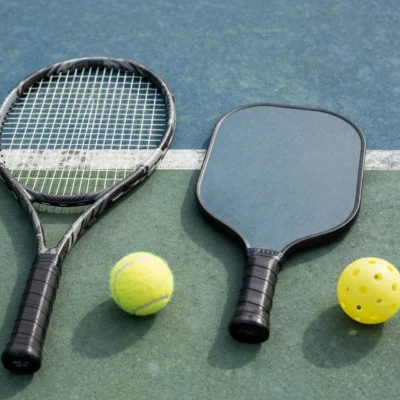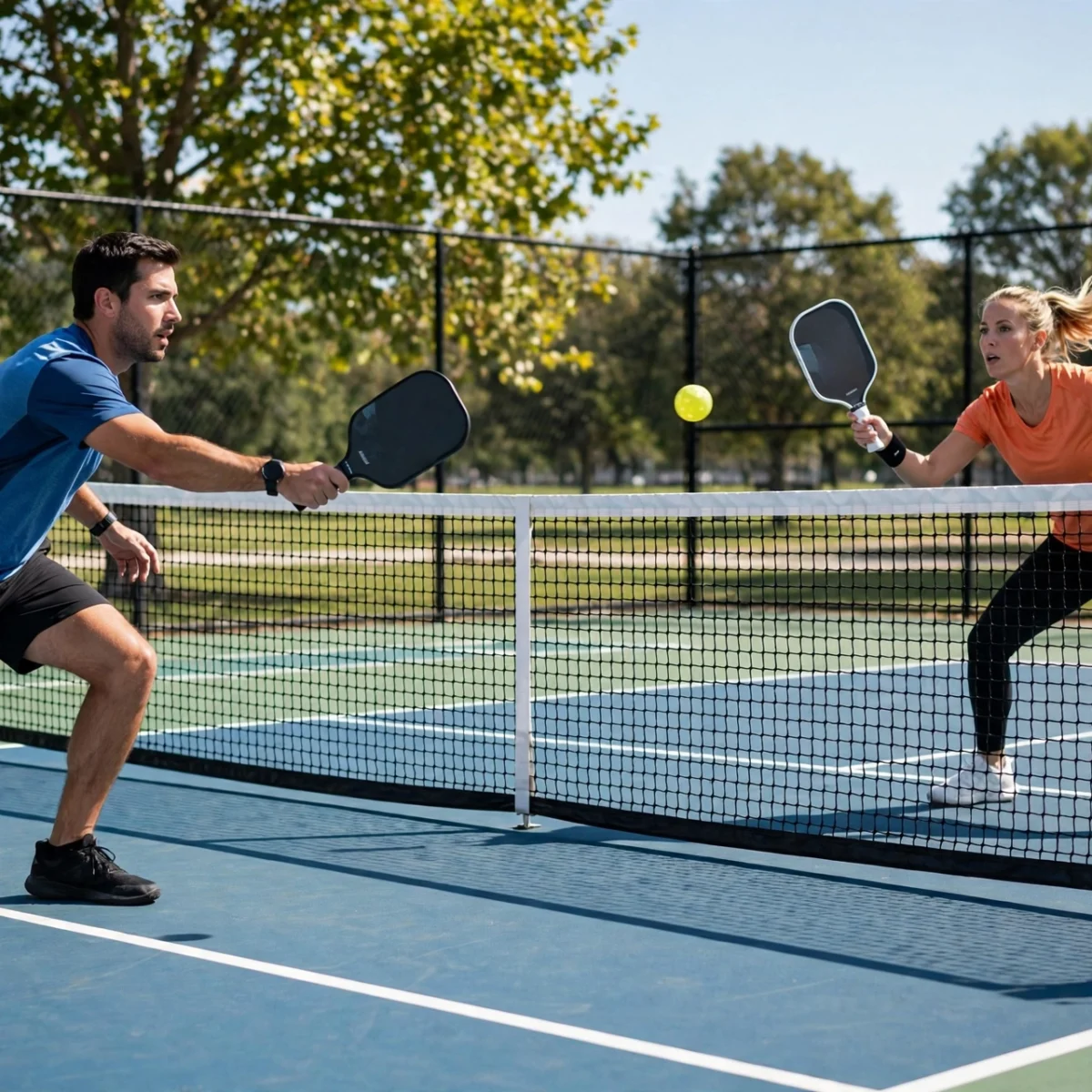
If you are picking up a paddle for the first time, this guide to pickleball rules for beginners will get you playing real games fast. Pickleball is one of the fastest-growing sports in the world, largely because it is easy to learn: most new players can rally and play a full game within their first session. The court is smaller than a tennis court, the paddle is larger than a table tennis paddle, and the plastic ball moves slower than a tennis ball, which gives beginners more time to react.
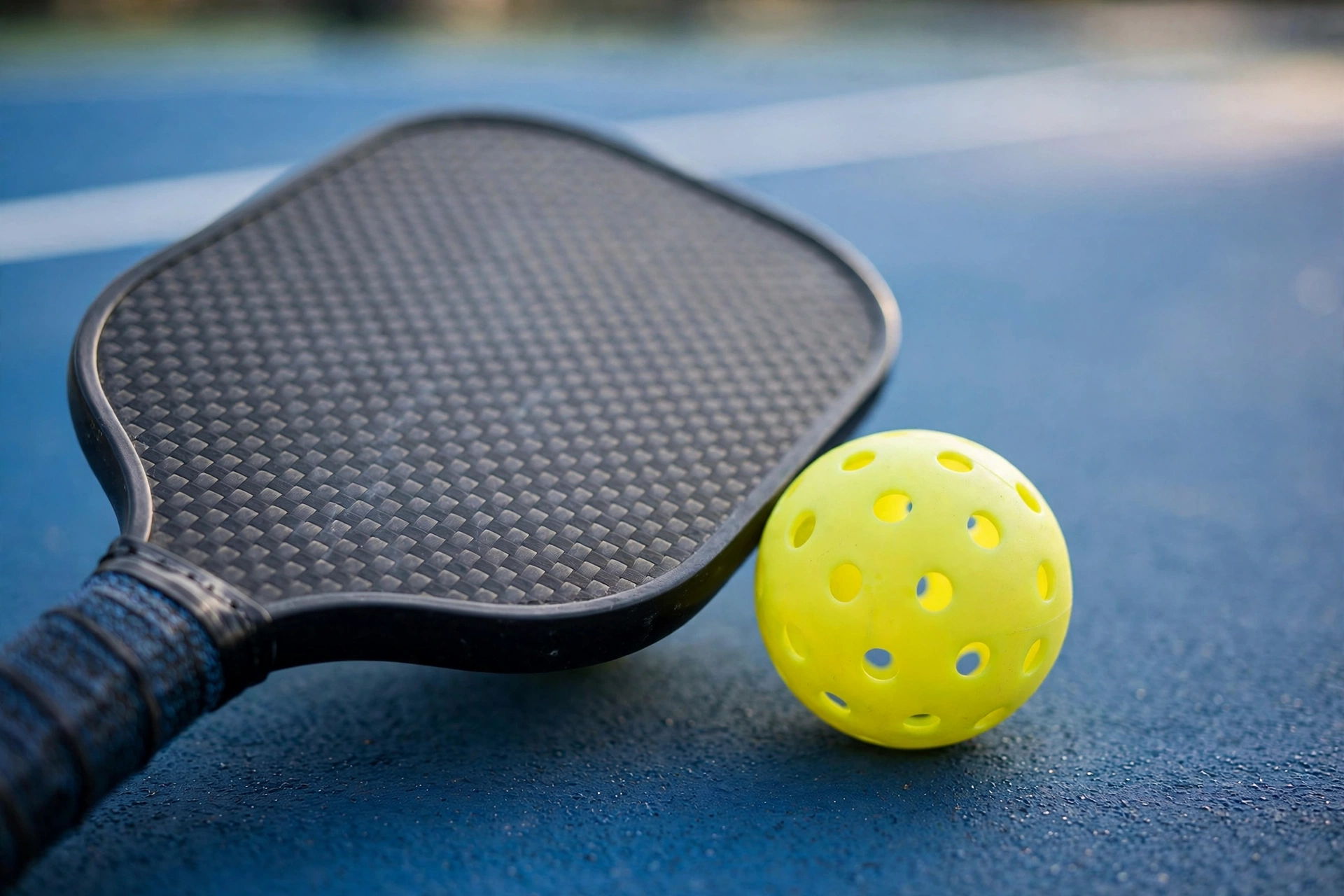
The rules themselves are simple, but a few of them catch beginners off guard, especially the serving rules, the unique scoring system, and the famous “kitchen” near the net. This guide breaks all of them down in plain language, so you can walk onto a court with confidence. You will also find the most common beginner faults to avoid and basic court etiquette.
For more beginner-friendly guides on sports, fitness, and everyday wellness, you will find plenty of them on the DigitalGeekSpot homepage.
What Pickleball Is (Quick Overview)
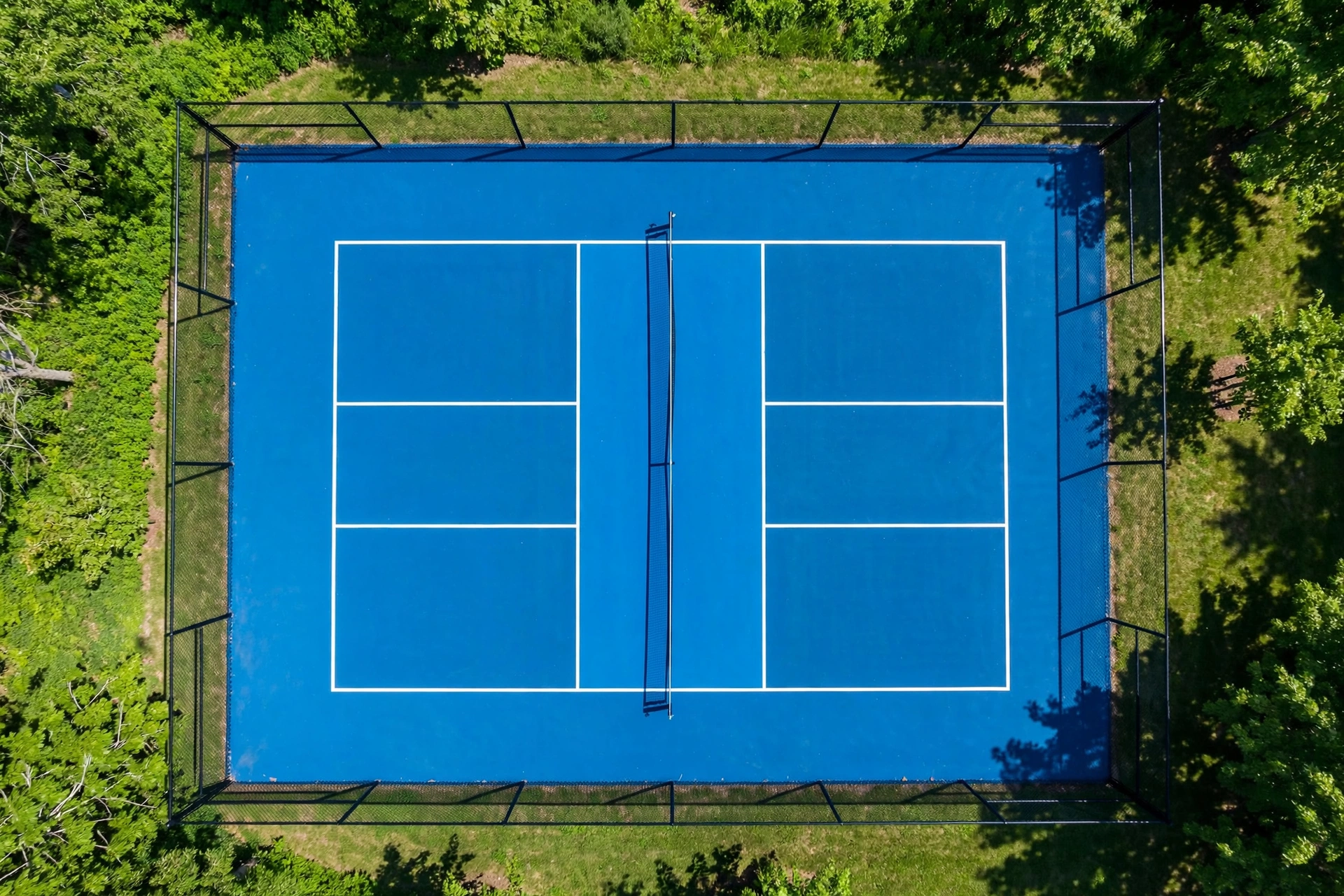
Pickleball is a racket sport played on a badminton-sized court with a slightly lowered net (36 inches at the sidelines, 34 inches in the middle). It is usually played as doubles (two players per side) but can also be played as singles. Players hit a perforated plastic ball back and forth over the net using solid paddles.
Games are typically played to 11 points, and a team must win by 2. The sport blends elements of tennis, badminton, and table tennis, which is why many beginners wonder how it compares to its bigger cousin: see our tennis vs pickleball comparison for the full breakdown.
The Serve: How Points Begin
Serving in pickleball has several specific rules that differ from tennis. Here is how it works:
- Underhand only: The serve must be hit with an underhand motion, and the paddle must contact the ball below the waist (below the navel).
- One bounce or none: In the traditional volley serve, you drop the ball and hit it before it bounces. A newer “drop serve” option lets the ball bounce first, then you hit it with any motion (overhand is allowed on a drop serve), as long as the ball is not thrown or tossed downward.
- Diagonal target: The serve must travel diagonally and land in the opponent’s service court, beyond the non-volley zone (more on that below).
- Feet behind the line: At least one foot must be behind the baseline when the serve is struck, and the server’s feet must not touch the court surface or outside the sideline extensions.
- One serve attempt: Unlike tennis, there are no second serves in pickleball. If the serve faults, the serve passes to the other team (or to the partner in doubles).
- Let serves count: If the serve hits the net and lands in the correct service court, it is a live ball. Play continues.
In doubles, each team member serves (except the very first serve of the game) before the serve passes to the opponents. The serving order is tracked with three numbers: your team’s score, the opponents’ score, and whether you are the first or second server (for example, “4-2-1”).
Scoring: The Part That Confuses Everyone
Pickleball scoring has a few quirks, but they become second nature quickly:
- Only the serving team scores: Like traditional volleyball, you can only win points when your team is serving. If the receiving team wins the rally, they win the serve (called a “side out”), not a point.
- Games to 11, win by 2: The first team to reach 11 points with at least a 2-point lead wins. Tournament games sometimes go to 15 or 21.
- Server number matters in doubles: The score is announced as three numbers (serving score, receiving score, server number). In singles, only two numbers are needed.
- Who serves first: In doubles, the player on the right side of the court serves first for their team. After each point won, the serving players switch sides.
- First-serve exception: At the very start of a game, the first serving team only gets one serve (the second server is skipped), and the score starts at “0-0-2”. This balances the advantage of serving first.
The Kitchen: The Non-Volley Zone
The most famous pickleball rule is the non-volley zone, nicknamed the “kitchen.” It is the 7-foot zone on both sides of the net, and the rules around it are strict:
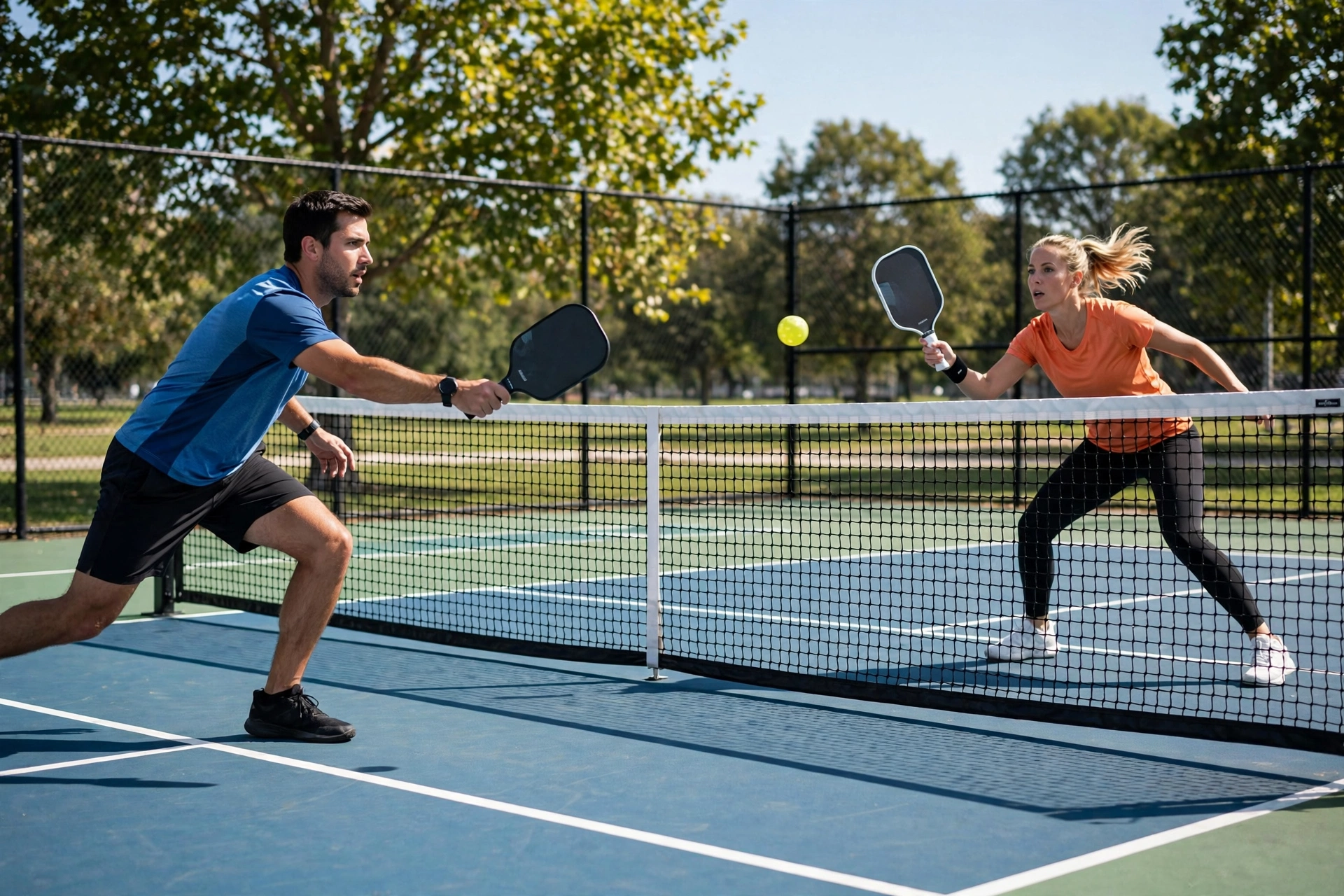
- No volleying in the kitchen: You may not hit the ball out of the air (a volley) while standing in the kitchen, or while any part of your body or paddle touches the kitchen line or zone.
- Momentum counts: If your momentum from a volley carries you into the kitchen, even after the ball is dead, it is a fault. This is one of the most commonly called faults in the game.
- You CAN enter the kitchen: Players can stand in the kitchen whenever they like. The restriction is only on volleying while there. You may let the ball bounce in the kitchen and then hit it, which is a key strategy (the “dink” game).
- Serves must clear it: A serve that lands in the kitchen (including on the kitchen line) is a fault.
Mastering the kitchen is what separates beginners from intermediate players. Short, soft shots that land in the opponent’s kitchen force them to hit upward, which sets up your winning shot.
The Two-Bounce Rule
After the serve, each side must let the ball bounce once before hitting it. In other words: the return of serve must bounce, and the third shot (the serving team’s next hit) must also bounce. After those two bounces, the ball can be volleyed or played off the bounce for the rest of the rally.
This rule stops the serving team from rushing the net and smashing the return, which keeps rallies fair and longer. Beginners forget this rule often, so make it a mantra: serve, bounce, return, bounce, then play.
Doubles vs Singles: Key Differences
- Doubles is the standard social game. Both partners serve (except the opening serve of the game), and teamwork around the kitchen line decides most points.
- Singles uses the same court with the same rules, but scoring uses only two numbers since there is no second server. It is a serious workout: if you want court-ready fitness, home workouts without equipment can help you build it.
- In both formats, players must be in the correct position: the server starts on the right side when their score is even, and on the left when it is odd.
Common Beginner Faults to Avoid
A fault stops the rally and usually costs you the serve or gives the opponents a point. Watch for these:
- Volleying in the kitchen: The number one beginner fault. Keep your feet behind the kitchen line when hitting volleys.
- Serve faults: Serving into the net, landing short in the kitchen, or hitting out past the baseline. Aim deep and safe rather than powerful.
- Breaking the two-bounce rule: Volleying the return of serve or the third shot. Let it bounce.
- Stepping over the baseline on the serve: Keep at least one foot behind the line when striking the ball.
- Hitting out of bounds: Shots landing beyond the baseline or sidelines are out. Unlike some racket sports, there is no “let it bounce twice” rule saving you.
- Calling the score wrong: Always announce the full score before serving. In casual games it keeps everyone on the same page; in tournaments it is required.
Basic Court Etiquette
Pickleball has a friendly culture, and a little etiquette goes a long way:
- Call the score clearly before every serve.
- Call “out” balls loudly and honestly; when in doubt, the ball is in.
- Return stray balls to neighboring courts promptly, and say thanks when others do the same.
- At open play, rotate fairly so everyone gets court time.
- Keep coaching advice to yourself unless someone asks for it.
What to Bring to Your First Session
You need very little: comfortable athletic shoes (court shoes with lateral support are ideal), a paddle (most venues lend or rent them), water, and a snack. Eat something light about an hour before playing; our guide on what to eat before a workout has simple ideas. A hat and sunscreen help for outdoor courts.
Frequently Asked Questions
What is the kitchen in pickleball?
The kitchen is the 7-foot non-volley zone on each side of the net. You can stand in it, but you cannot hit the ball out of the air while you or your paddle touch it. Letting the ball bounce first is allowed.
How does scoring work in pickleball?
Only the serving team can score points. Games go to 11, and you must win by 2. In doubles, the score is called as three numbers: the serving team’s score, the receiving team’s score, and the server number (1 or 2).
Can you serve overhand in pickleball?
Not on a standard volley serve, which must be underhand with contact below the waist. However, the drop serve (letting the ball bounce first) can be hit with any motion, including overhand.
What is the two-bounce rule?
After the serve, the return must bounce, and then the serving team’s next shot must also bounce. After these two bounces, volleys are allowed. This keeps rallies fair at the start of each point.
Is pickleball easier than tennis?
Most beginners find pickleball easier to learn: the court is smaller, the ball is slower, and the underhand serve is simpler. That said, competitive pickleball is demanding in its own right, especially around the kitchen.
How long does a pickleball game take?
A casual game to 11 points usually takes 15 to 25 minutes, depending on rally length. Most open-play sessions rotate players every game, so you will typically play several games in an hour or two.