


What is zone 2 training? If you have browsed fitness content lately, you have probably seen the term everywhere, from running forums to fitness podcasts. Zone 2 training is simply low-intensity cardio performed at an easy, sustainable effort, and it has become popular because it is one of the most beginner-friendly ways to build fitness. This guide explains what zone 2 means, how the cardio zones work, how to find your own zone 2, and how to build it into a simple weekly routine. Note: this article shares general fitness information only and is not medical advice. If you have a health condition, talk to a qualified professional before starting a new exercise program.
What Is Zone 2 Training?
Zone 2 training is steady, low-intensity aerobic exercise where you can still hold a conversation comfortably. Think of a brisk walk, an easy jog, a relaxed bike ride, or a gentle swim. Your breathing is elevated but controlled, and you could keep going for a long time without feeling exhausted. It sits at the lower end of the intensity scale, well below the hard efforts of interval training or racing.
The “zone” terminology comes from heart-rate-based training systems that divide exercise intensity into numbered zones, usually five. Zone 2 is the second of these zones: easy aerobic work that primarily uses fat as fuel and builds your aerobic base. It is sometimes called the “all-day pace” because, with a little practice, you can sustain it for extended sessions.
How the Cardio Zones Work
Most training models describe five intensity zones, each defined by effort level and how your body fuels the work:
- Zone 1: Very light activity, like a casual stroll. Breathing is barely affected.
- Zone 2: Light, steady aerobic effort. You can speak in full sentences. This is the conversational pace at the heart of this guide.
- Zone 3: Moderate effort. Talking becomes choppier, and the pace feels purposeful but not hard.
- Zone 4: Hard effort. You can only manage short phrases, and this intensity is difficult to sustain for long.
- Zone 5: Maximum effort. Full gas, sustainable only for very short bursts.
Different systems define the exact boundaries of these zones slightly differently, and some use heart rate percentages while others use perceived effort or pace. For beginners, the practical takeaway matters more than the precise numbers: zone 2 is the easy, conversational effort level where you feel like you are exercising but could comfortably keep going. If you are new to structured training, our beginner’s running guide pairs well with the ideas in this article.
Why Zone 2 Matters for Beginners
Zone 2 training is especially well suited to people who are new to exercise, for several practical reasons:
It builds your aerobic base
Consistent easy cardio improves how efficiently your body delivers and uses oxygen during exercise. This aerobic base is the foundation that makes every other type of training feel easier over time, from faster runs to longer hikes.
It is joint-friendly and low stress
Because the intensity stays low, zone 2 sessions place less pounding on joints and less strain on the cardiovascular system than hard workouts. Many beginners can do zone 2 work several times per week without feeling wiped out the next day.
It burns mostly fat for fuel
At lower intensities, the body relies more on fat oxidation to power movement. This is one reason zone 2 is often discussed in the context of endurance and metabolic health, though beginners should view it simply as efficient, sustainable exercise.
It teaches pacing discipline
One of the most common beginner mistakes is doing every workout too hard. Zone 2 teaches you what “easy” truly feels like, a skill that pays off across all your training. Many experienced runners still do the majority of their weekly volume at this easy effort.
It fits real life
Zone 2 sessions are flexible. A brisk walk on your lunch break, an easy evening bike ride, or a relaxed swim all count. You do not need a gym membership, special equipment, or a large block of time to benefit.
How to Find Your Zone 2
You do not need lab testing or expensive gear to train in zone 2. These practical methods work well for beginners:
The talk test
The simplest method: if you can speak in complete sentences without gasping, you are likely in zone 2. If you can only get out a few words at a time, ease off. If you could comfortably sing, you can probably pick up the pace a little. The talk test is surprisingly reliable and requires no equipment at all.
Rate of perceived exertion
On a 1 to 10 effort scale, zone 2 generally feels like a 3 or 4 out of 10. It should feel like genuine exercise, not a casual stroll, but it should never feel hard. Beginners often discover that their “easy” pace is slower than expected, and that is completely normal.
Heart rate monitoring
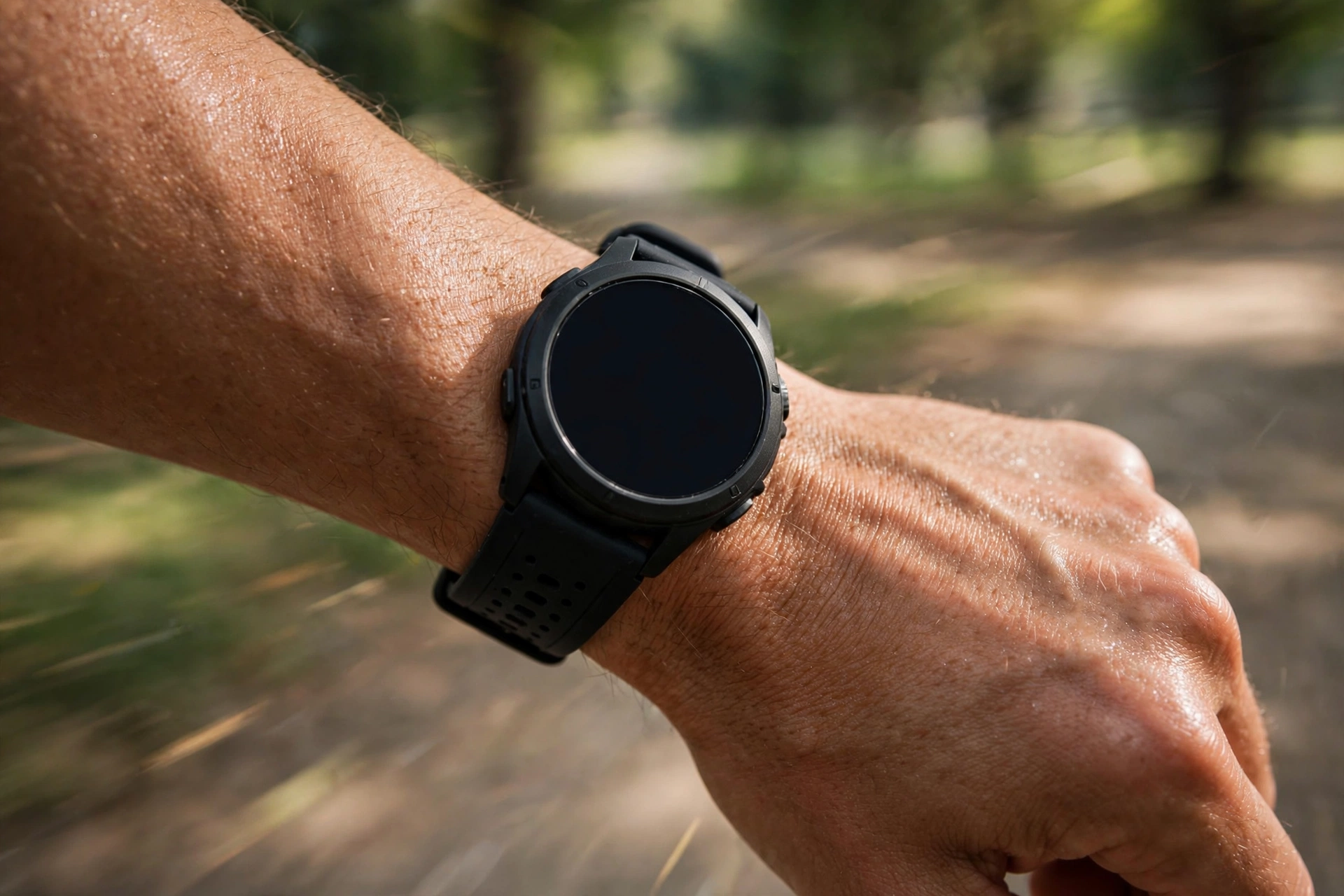
If you own a fitness watch or chest strap, you can estimate zone 2 as roughly 60 to 70 percent of your maximum heart rate. Maximum heart rate is often roughly estimated as 220 minus your age, though individual variation is large, so treat any formula as a starting estimate rather than a precise prescription. Many watches also let you set custom zone alerts that beep when you drift too high, which is a great training aid for beginners learning to hold back.
Nasal breathing as a rough guide
Some coaches suggest that if you can breathe comfortably through your nose, you are near or below zone 2. This is a rough guide rather than a rule, but it can help you notice when your effort creeps up.
Zone 2 Workout Ideas for Beginners
Almost any steady cardio activity can be done in zone 2. Pick activities you enjoy, since consistency matters more than the specific modality:
- Brisk walking: The most accessible option. Walk fast enough that your breathing deepens but you can still chat.
- Easy jogging: Keep the pace conversational. Walk-jog intervals count too, as long as the jogging portions stay easy.
- Cycling: A flat route or easy spin on a stationary bike, keeping the effort light and steady.
- Swimming: Relaxed laps with smooth, controlled breathing.
- Rowing: A steady, rhythmic pace on a rowing machine at light resistance.
- Hiking: Gentle trails at a pace where conversation stays comfortable.
A good zone 2 session for a beginner lasts 20 to 45 minutes, including a few minutes of easy warm-up at the start. Longer sessions are fine once the habit is established, but there is no need to rush. Looking for music to keep your easy sessions enjoyable? Our playlist ideas can make steady cardio more fun.

Building a Simple Zone 2 Week
Here is a sample week for a beginner adding zone 2 training to their routine. Adjust the days and durations to fit your schedule:
- Monday: 30-minute brisk walk or easy jog
- Tuesday: Rest or gentle stretching
- Wednesday: 30-minute easy bike ride or swim
- Thursday: Rest
- Friday: 25-minute walk-jog, keeping efforts conversational
- Saturday: 40-minute easy hike or long relaxed walk
- Sunday: Rest
As your fitness improves, gradually extend one session per week by 5 to 10 minutes rather than adding intensity. Most beginners benefit from keeping at least 80 percent of their weekly cardio at this easy effort, adding one slightly harder session only after several consistent weeks. Fueling matters too: check our guide on what to eat before a workout for simple pre-exercise nutrition ideas. For more fitness content, browse the DigitalGeekSpot homepage.
Common Zone 2 Mistakes to Avoid
- Going too hard. The number one mistake is letting easy sessions drift into moderate effort. If you cannot talk comfortably, slow down.
- Skipping it for harder workouts. Easy volume is what builds the aerobic engine. Replacing it all with intense sessions leads to fatigue and stalled progress.
- Obsessing over exact numbers. Heart rate formulas are estimates. Use the talk test and perceived effort as your primary guides.
- Doing too much too soon. Build duration gradually. Adding more than about 10 percent per week is a common recipe for overuse niggles.
- Training zone 2 while exhausted. Easy sessions should leave you feeling refreshed. If they feel like a grind, take an extra rest day.
Frequently Asked Questions
How long should a zone 2 workout be?
For beginners, 20 to 45 minutes per session is a solid range. The key is accumulating regular easy sessions across the week rather than doing one very long workout. As your endurance builds, you can extend your longest session toward an hour or more.
Can walking count as zone 2 training?
Yes, absolutely. Brisk walking is one of the best zone 2 activities for beginners, especially on hills or at a lively pace. If flat walking feels too easy, add gentle inclines or pick up the tempo until your breathing deepens while conversation stays comfortable.
How many zone 2 sessions should I do per week?
Three to four easy sessions per week is a great starting point for most beginners. This provides enough stimulus to build aerobic fitness while leaving room for rest days, which are when your body actually adapts and gets fitter.
Do I need a heart rate monitor for zone 2?
No. The talk test and perceived exertion are enough to guide zone 2 training effectively. A heart rate monitor is a helpful optional tool, especially for learning what the effort feels like, but it is not required to get the benefits.
Will zone 2 training help me run faster?
Over time, yes. A stronger aerobic base means you can sustain faster paces at the same effort level. Many training plans built around easy volume plus a small amount of faster work produce steady improvements for beginners. If running is your goal, our first 5K training guide shows how easy running fits into a complete plan.
Is zone 2 training safe for beginners?
Low-intensity cardio is generally considered a safe and appropriate starting point for healthy beginners, but this article is general fitness information, not medical advice. If you have a heart condition, high blood pressure, diabetes, or any other health concern, check with a qualified healthcare professional before beginning a new exercise routine.




1 Comment