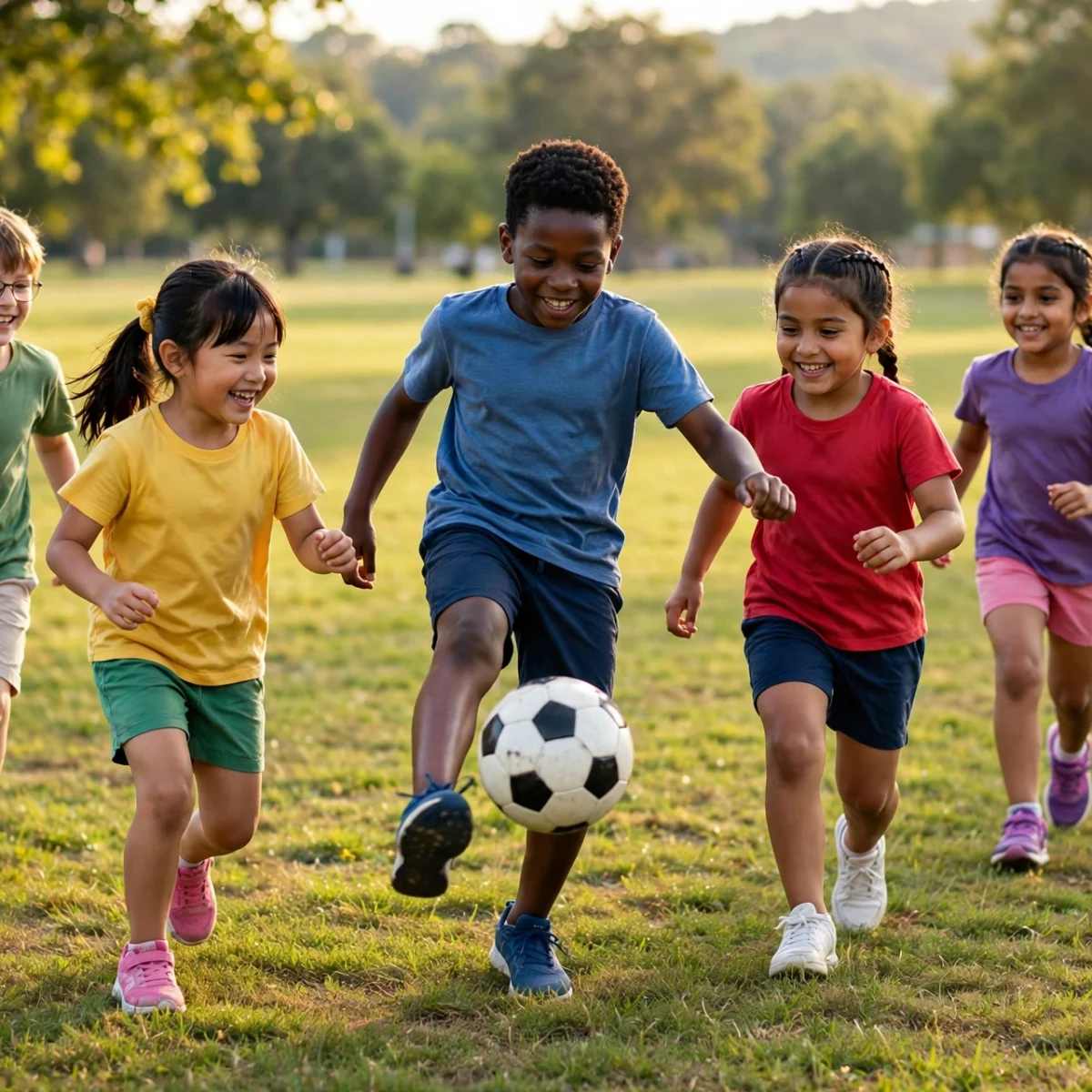
Choosing the right sport can change how a child sees themselves. The best sports for kids to build confidence are martial arts, swimming, soccer, gymnastics, basketball, tennis, track and field, baseball, dance, and rock climbing, because each one gives children regular chances to master new skills, belong to a supportive group, and bounce back from setbacks, which are the three experiences psychologists link most strongly to lasting self-esteem in young people.
Key Takeaways
- Confidence in kids grows from mastery, belonging, and resilience, not from winning trophies or being the star player.
- Martial arts, swimming, gymnastics, and soccer consistently rank among the top confidence-building sports because progress is visible and measurable.
- Individual sports often suit shy or anxious children, while team sports suit social kids who thrive on friendship and shared goals.
- Most children are ready for organized sports between ages 5 and 7, but unstructured active play builds confidence even earlier.
- Parent behavior matters as much as the sport: praise effort and improvement, not scores, to protect and grow self-esteem.
- Letting a child switch sports instead of forcing them to continue protects their confidence and keeps them active for life.
Why Do Sports Build Confidence in Children?
Self-confidence in children is built through repeated proof that they can handle challenges. Sports deliver that proof on a weekly schedule. Every practice asks a child to try something slightly hard, fail at it safely, and eventually succeed, which is the exact cycle that teaches the brain “I can do difficult things.”
Research on youth development points to three confidence drivers that sports provide better than almost any other childhood activity. First, mastery: learning a new skill like a proper swim stroke or a martial arts kick gives a child concrete evidence of growth. Second, belonging: being part of a team or class gives kids a social identity and friendships outside school. Third, resilience: losing a match or missing a shot in a supportive environment teaches children that failure is survivable and temporary.
A survey from the Aspen Institute’s Project Play found that 88 percent of parents believe sports help build confidence in their child, and 73 percent say sports benefit their child’s mental health. The confidence effect is strongest when coaches emphasize personal improvement over winning, which is something parents can screen for before signing up.
What Makes a Sport Good for Building Confidence?
A sport builds confidence when it gives a child frequent, visible progress and a supportive social setting. Not every sport does this equally well for every child, so it helps to judge options against five criteria before enrolling.
| Criterion | What to look for | Why it matters for confidence |
|---|---|---|
| Visible progress | Belts, levels, times, or skills a child can see improving | Concrete proof of growth beats vague praise |
| Right-sized challenge | Beginner groups grouped by age and ability | Success must feel earned but reachable |
| Supportive coaching | Coaches who praise effort and correct kindly | A harsh coach can undo every benefit |
| Social fit | Team vs individual setting matched to the child’s temperament | Belonging multiplies confidence gains |
| Low pressure entry | Recreational leagues before competitive travel teams | Early pressure is the top confidence killer |
The single biggest predictor of whether a sport builds or breaks confidence is the adults around it. A recreational league with an encouraging coach will build more self-esteem than an elite academy with a shouting one, regardless of the sport itself.
Which Team Sports Build Confidence the Fastest?
Team sports build confidence fastest for social children because they combine skill mastery with instant friendship and shared celebration. The child learns “I matter to this group,” which is a powerful antidote to the self-doubt many kids feel at school.
Soccer
Soccer is the world’s most played youth sport for good reason. Nearly every child touches the ball, every position matters, and progress, from first dribble to first goal, is obvious to the child. Recreational soccer leagues group kids by age, cost less than many alternatives, and welcome complete beginners, making it one of the safest first team sports for confidence.
Basketball
Basketball gives kids constant involvement and quick feedback. Shooting, passing, and defending all produce visible improvement within weeks, and even shorter or less athletic kids find valued roles as passers, defenders, and playmakers. Youth leagues with adjusted hoop heights let young children experience real success early.
Baseball and Softball
Baseball and softball suit children who feel overwhelmed by continuous-action sports. The stop-start rhythm gives kids time to think, and every player gets individual moments, a hit, a catch, a throw, within a team frame. For anxious kids, this blend of personal spotlight and team safety net works especially well. Many leagues also use coach-pitch or tee-ball formats so young beginners succeed from day one.
Which Individual Sports Are Best for Shy Kids?
Individual sports are often the best choice for shy, anxious, or introverted children because progress depends only on personal effort, never on being picked, passed to, or compared with teammates. The child competes against their own yesterday, which is the healthiest possible confidence formula.
Martial Arts
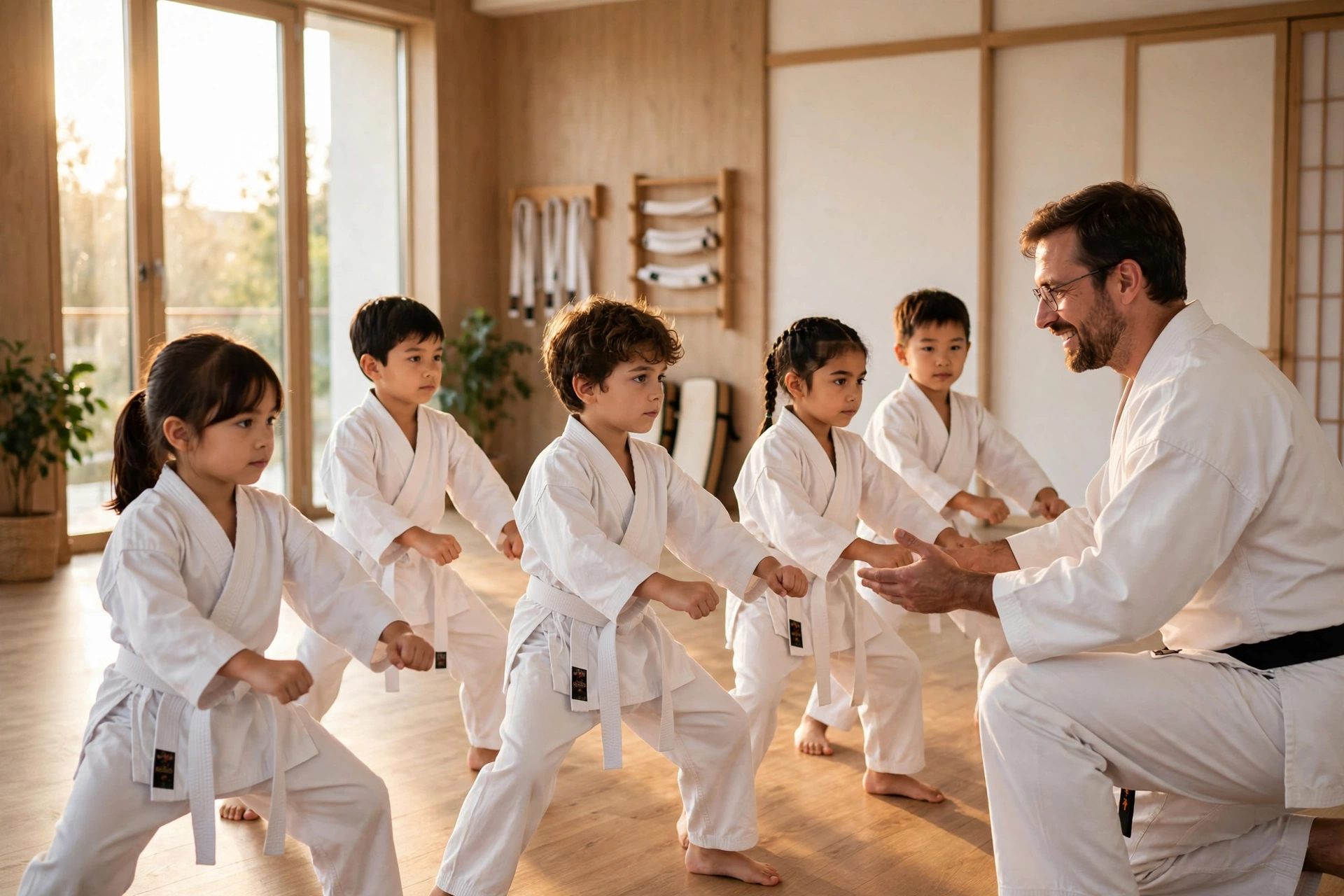
Martial arts, including karate, taekwondo, and judo, are widely considered the single best confidence builder for timid children. The belt system turns progress into something a child can literally wear, classes teach respectful discipline alongside physical skill, and controlled practice helps kids learn emotional regulation. Children who fear chaos sports often flourish in the structured, predictable environment of a dojo.
Swimming
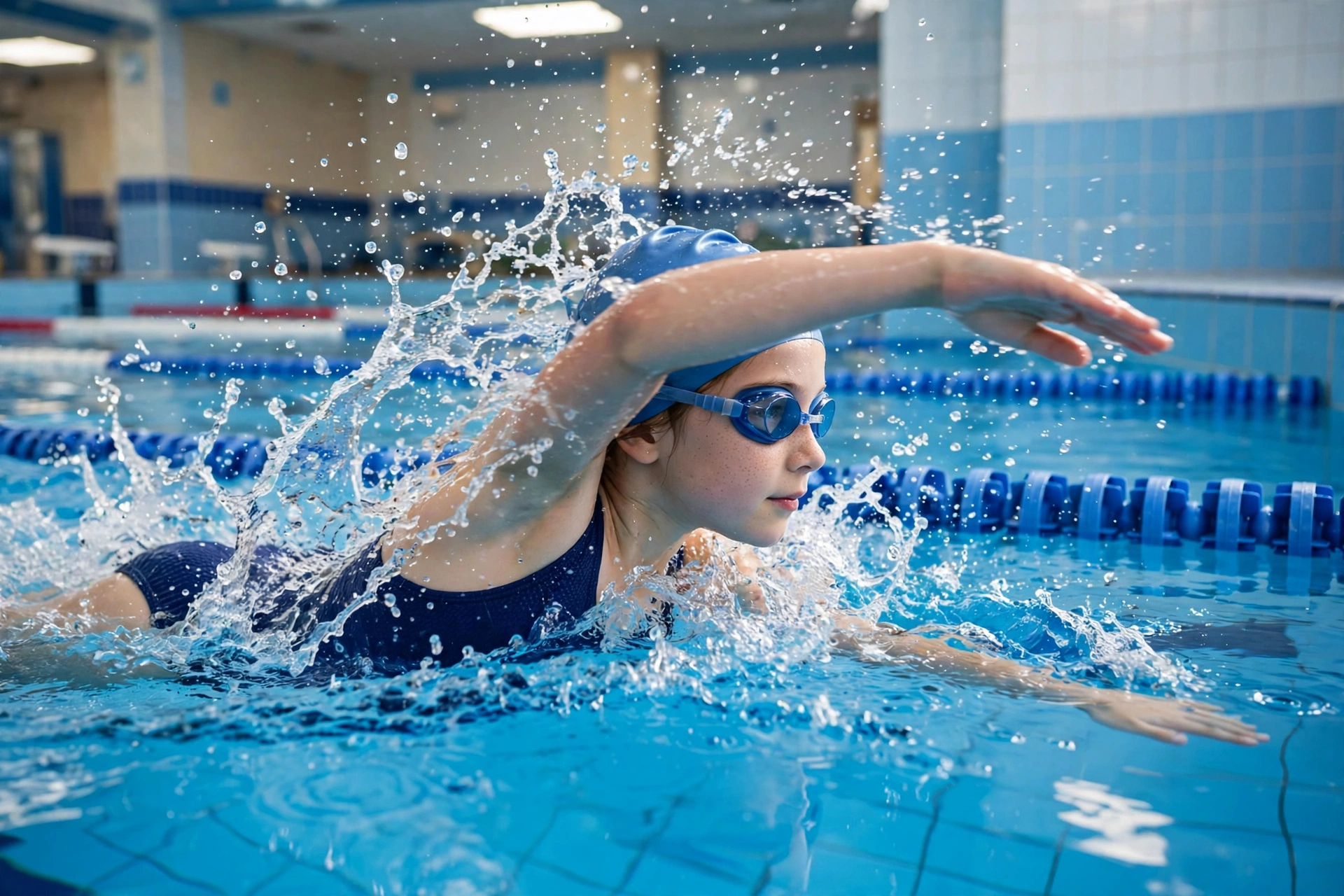
Swimming is a life skill disguised as a sport, which makes it doubly valuable. Level-based lessons give children constant milestones, and the quiet, individual nature of the pool suits kids who find noisy team environments stressful. If your child is ready to start, read our guide on how to start swimming for fitness for a practical breakdown of strokes, gear, and lesson formats.
Gymnastics
Gymnastics builds extraordinary body confidence because children literally learn what their bodies can do. Mastering a cartwheel or a bar routine gives a dramatic, visible payoff, and the sport rewards focus and persistence over size or speed. Recreational gymnastics classes, as opposed to elite competitive tracks, keep the atmosphere playful and confidence-positive.
Tennis and Racket Sports
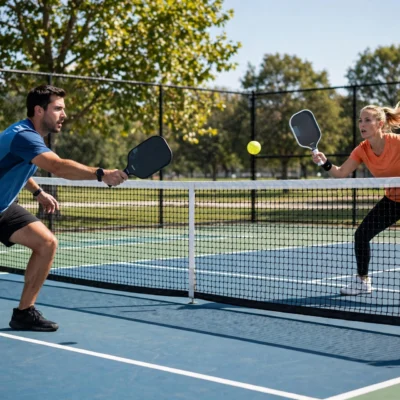
Tennis teaches self-reliance: on court, every decision is the child’s own. That autonomy accelerates maturity and self-trust. Youth programs use smaller courts and softer balls so beginners rally successfully within the first sessions. Families torn between racket options can compare formats in our tennis vs pickleball guide.
Track and Field
Running is the most measurable sport of all. A child who runs a mile in 12 minutes in September and 10 minutes in November has undeniable proof of improvement, and nobody can argue with a stopwatch. For gear, properly fitted shoes prevent injury and discomfort that might otherwise discourage a beginner, see our tips on how to choose running shoes.
Sports Comparison: Finding the Right Fit
| Sport | Good starting age | Team or individual | Confidence superpower |
|---|---|---|---|
| Martial arts | 4 to 6 | Individual (group class) | Visible belt progress, discipline |
| Swimming | 4 to 6 | Individual | Life skill mastery, level milestones |
| Gymnastics | 3 to 5 | Individual | Body confidence, dramatic skill wins |
| Soccer | 4 to 6 | Team | Belonging, constant involvement |
| Basketball | 5 to 7 | Team | Quick visible improvement |
| Baseball/softball | 5 to 7 | Team | Personal moments within team safety |
| Tennis | 5 to 7 | Individual | Self-reliance, decision making |
| Track and field | 6 to 8 | Individual (team setting) | Measurable personal bests |
| Dance | 3 to 5 | Group | Expression, performance courage |
| Rock climbing | 5 to 7 | Individual | Problem solving, conquering fear |
At What Age Should Kids Start Playing Sports?
Most children are developmentally ready for organized sports between ages 5 and 7, when they can follow multi-step instructions, take turns, and handle simple rules. Starting earlier is fine if the program is play-based rather than competitive: preschool gymnastics, swim lessons, and parent-child soccer classes all build coordination and confidence without pressure.
There is no evidence that starting a sport at age 4 instead of 7 creates better athletes, but there is plenty of evidence that early specialization and year-round single-sport training increase burnout and injury risk. Pediatric sports medicine guidance generally recommends sampling multiple sports through at least age 12. Variety builds broader athleticism and, importantly, lets the child discover which sport makes them feel capable, which is the whole point.
How Can Parents Help Sports Build Confidence Instead of Pressure?
Parents influence a child’s sports confidence more than coaches do. The ride home is where sports self-esteem is made or broken. Children consistently report that the most confidence-building thing a parent can say after a game is some version of “I loved watching you play,” while post-game analysis and criticism are the most damaging.
| Do this | Not this |
|---|---|
| Praise effort, strategy, and improvement | Praise only goals, wins, or talent |
| Ask “what was the most fun part today?” | Recap mistakes on the drive home |
| Let the child own the experience | Coach from the sidelines |
| Model calm reactions to losses | Show visible frustration at errors |
| Support switching sports | Force finishing a hated season “to build character” |
Watch one full practice before committing to a program. You will learn more about the coach’s tone in twenty minutes of observation than in any brochure. Look for coaches who correct with demonstrations rather than shouting, who rotate positions so every child contributes, and whose players look like they are having fun.
What Should You Do If Your Child Wants to Quit?
First, find out why. “I want to quit” usually means one of four things: the coach is harsh, the child feels incompetent compared with peers, friendships shifted, or they are simply bored and curious about something else. Each cause has a different fix, and only genuine misery justifies an immediate exit.
A practical middle path is the “finish and choose” rule: the child finishes the current season or lesson block, then chooses freely what comes next, including a different sport or a break. This teaches commitment without trapping a child in an activity that is eroding their confidence. Forcing a miserable child to continue rarely builds resilience; it usually teaches them that their feelings do not matter, which is the opposite of confidence.
At DigitalGeekSpot we regularly cover youth activity and family wellness topics, and the pattern is consistent: kids who sample several sports before age 12 stay active longer and report higher sports confidence as teenagers than early specializers.
Frequently Asked Questions
What is the best sport for a child with low self-esteem?
Martial arts and swimming are the most recommended starting points for children with low self-esteem. Both offer structured, level-based progress the child can see, individual pacing without peer comparison pressure, and supportive class environments. The key is matching the sport to the child’s temperament rather than picking the most popular option.
Are team or individual sports better for building confidence?
Neither is universally better; it depends on the child. Team sports build confidence through belonging, friendship, and shared achievement, which suits social kids. Individual sports build confidence through personal mastery and self-reliance, which suits shy or anxious kids. Many confident young athletes do one of each.
How many days a week should kids play sports?
For children under 12, two to three organized sessions per week plus unstructured active play is plenty. More than that risks burnout and overuse injuries without adding confidence benefits. Rest days and free play, where kids invent their own games, build creativity and intrinsic motivation that structured training cannot.
What if my child is not athletic?
Athleticism is far less fixed than it looks in childhood. Coordination, strength, and endurance all respond to practice at every age. Sports like martial arts, swimming, climbing, and track reward consistent effort more than natural talent, and recreational leagues group kids by ability so beginners compete fairly. The goal is a confident, active child, not a professional athlete.
Does competitive sport hurt children’s confidence?
Competition itself is neutral; the environment decides the effect. Healthy competition, with playing time for everyone, effort-based praise, and coaches who frame losses as information, builds resilience. Toxic competition, with bench-warming, win-at-all-costs coaching, and parent pressure, damages confidence. Choose recreational leagues for young children and delay serious competition until the child asks for it.
How do I choose a sport for a 5-year-old?
At age 5, prioritize programs that are play-based, short in duration (45 minutes or less), led by patient coaches, and free of standings or championships. Swimming lessons, beginner gymnastics, martial arts, and parent-participation soccer are all strong options. Let the child’s enjoyment, not your own sports history, guide the choice.
Can sports help shy kids make friends?
Yes, and often faster than school does. Sports give shy children a shared activity to bond over, which removes the pressure of making conversation from nothing. Team sports create natural friendship opportunities, while group-class individual sports like martial arts or swimming build familiarity gradually. Many parents report their shy child’s social circle expanding within a single season.
Should my child specialize in one sport early?
No. Pediatric sports research consistently finds that early specialization increases injury and burnout risk without producing better long-term athletes. Children who play multiple sports through age 12 develop broader movement skills, stay more enthusiastic, and report higher confidence. Specialization, if ever, can wait until the mid-teens when the child can choose for themselves.
Related Articles
- How to Start Running for Beginners
- How to Start Swimming for Fitness
- How to Choose Running Shoes
- Tennis vs Pickleball: Which Racket Sport Should You Try?
The Bottom Line
The best sport for your child’s confidence is the one they enjoy enough to stick with, coached by someone who praises effort and taught in an environment where progress is visible. Martial arts, swimming, soccer, and gymnastics are excellent default choices, but the child’s temperament matters more than the sport’s reputation. Visit a practice, watch the coach, ask your child how it felt, and be ready to switch. Confidence is built over seasons of small wins, and the right fit makes those wins come naturally.