

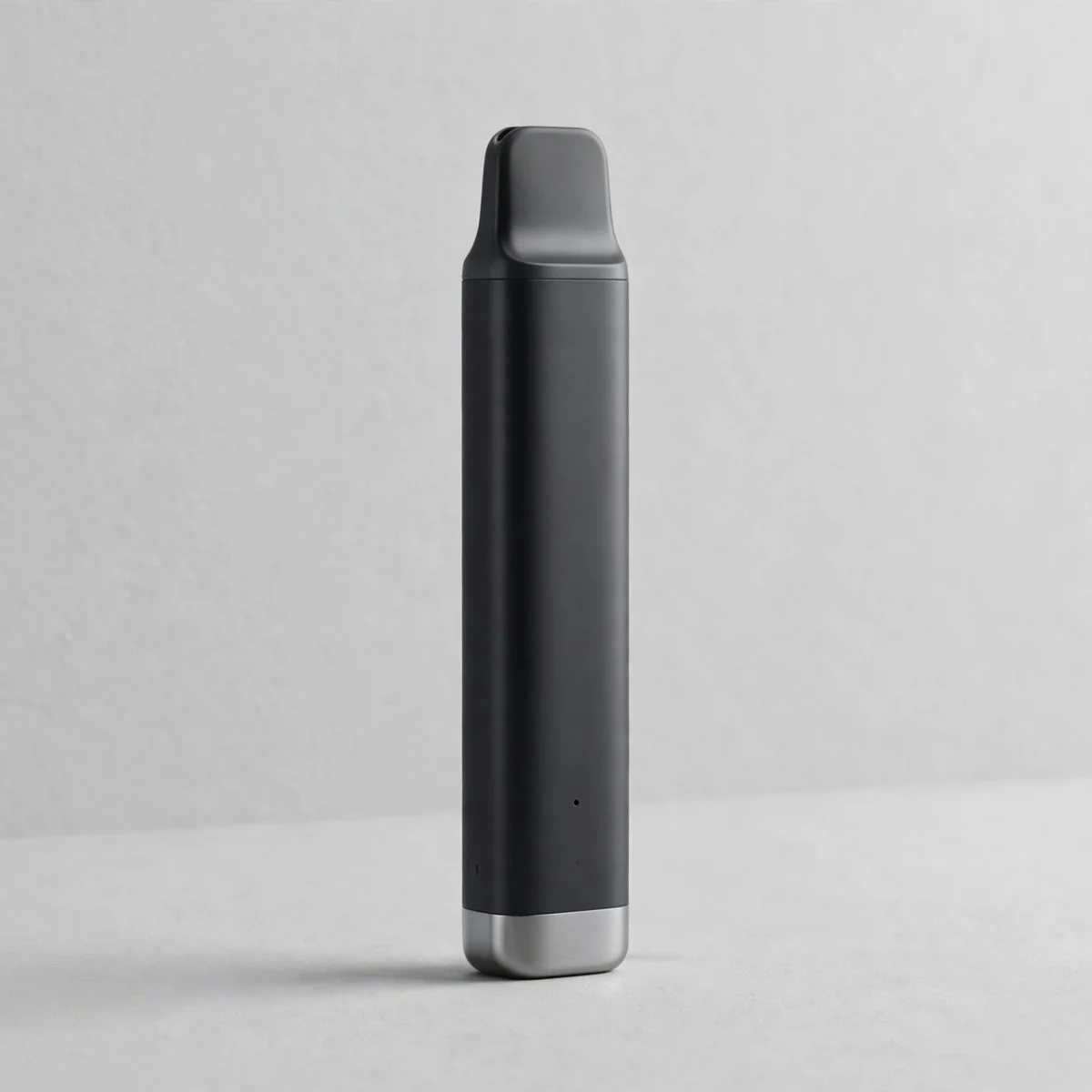
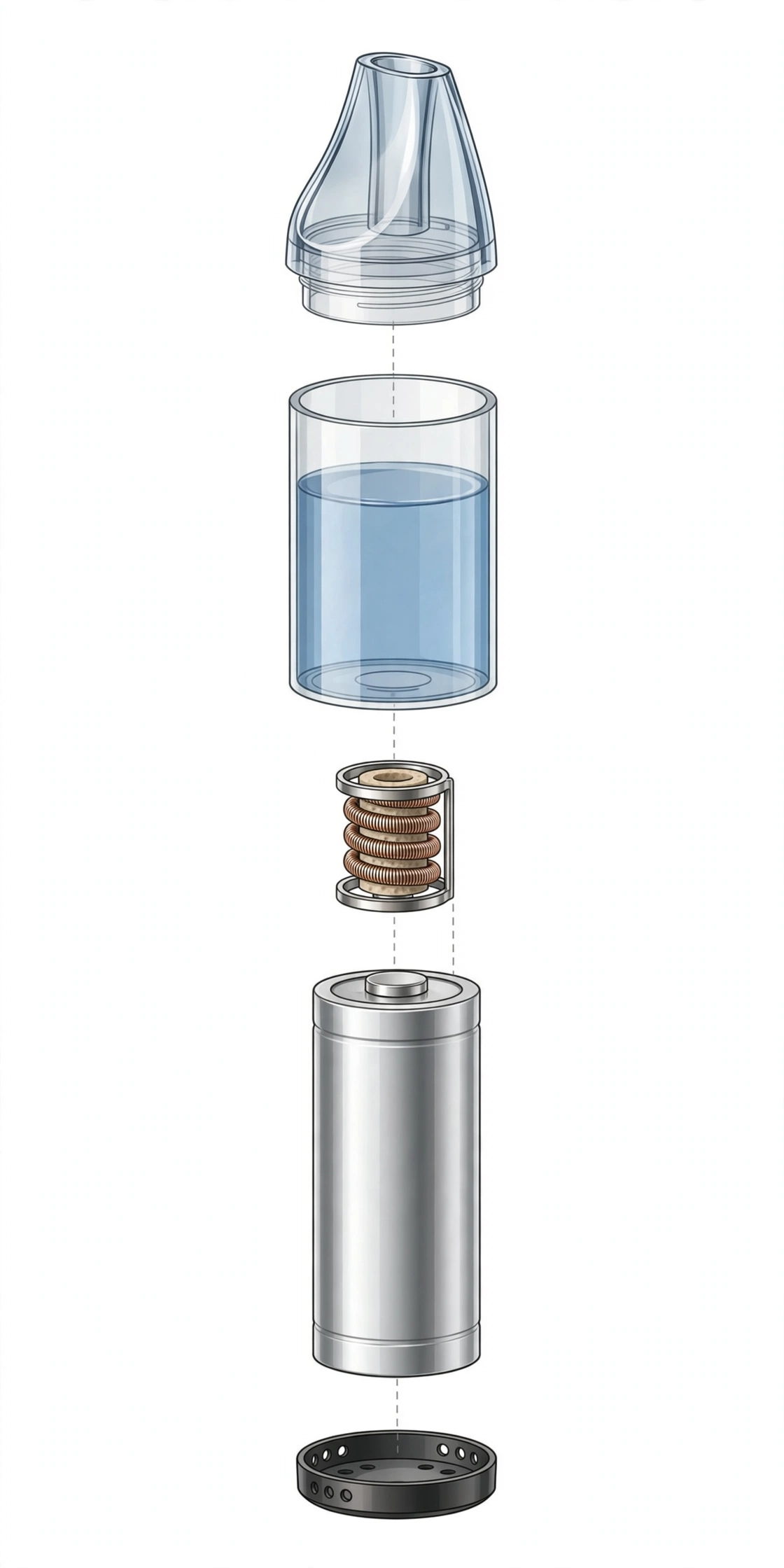
A disposable vape is a single-use electronic vaping device that comes pre-filled with e-liquid and a built-in battery, designed to be used until the liquid or battery runs out and then discarded. It has four main parts: a lithium-ion battery, a heating coil, an e-liquid reservoir, and a mouthpiece. Most disposables are draw-activated, meaning inhaling through the mouthpiece automatically triggers the battery to heat the coil, which turns the e-liquid into an inhalable aerosol, with no buttons, refilling, or coil changes required.
This article is for informational purposes only. Nicotine is addictive. Vaping products are intended only for adults of legal smoking age and are not risk-free.
Key Takeaways
- A disposable vape is a sealed, single-use device with a pre-filled e-liquid reservoir and integrated battery; it is not designed to be refilled or recharged (though some newer models include USB-C rechargeable batteries for the liquid supply).
- Four core components do all the work: battery, coil (heating element), e-liquid chamber, and mouthpiece, plus a draw-activation airflow sensor.
- Most disposables use nicotine salt e-liquid (commonly 20 to 50 mg/mL where permitted) because it delivers a smoother throat sensation at higher strengths.
- Puff counts are marketing estimates based on short draws; e-liquid capacity in milliliters is the more reliable way to compare devices.
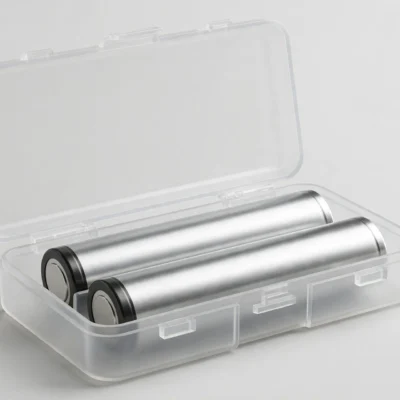
- Because they contain lithium batteries, disposables should be treated as electronic waste and recycled through proper e-waste channels, not thrown in household trash.
- Counterfeit and unregulated disposables are a documented safety concern; regulated markets require lab testing that gray-market products bypass.
What Is Inside a Disposable Vape?
Every disposable vape contains the same basic parts sealed inside a single housing. Understanding them explains both how the device works and why it cannot be maintained or refilled.
| Component | What it does | What to know |
|---|---|---|
| Battery | Powers the heating coil | Usually a small lithium-ion cell; sized to last as long as the e-liquid in non-rechargeable models |
| Coil / atomizer | Heats e-liquid into aerosol | Often mesh coils in newer devices for more even heating; wrapped around a cotton wick |
| E-liquid reservoir | Holds the pre-filled liquid | Fixed amount, sealed at the factory; typically propylene glycol, vegetable glycerin, flavorings, and nicotine salt |
| Mouthpiece | Where you inhale | Fixed to the device; airflow channel runs through it |
| Airflow sensor | Detects your inhale | Draw activation means no buttons; an LED usually lights during puffs |
Higher-end disposables add features like adjustable airflow, battery indicators, e-liquid level windows, and USB-C rechargeable batteries. Note the distinction: a “rechargeable disposable” still has a sealed, non-refillable liquid supply; only the battery can be topped up so it lasts through all the liquid.
How Does a Disposable Vape Work, Step by Step?
The process is deliberately simple, which is the product’s entire appeal. Here is what happens from unboxing to last puff:
- Unbox and prep: Remove the device from packaging and pull off any rubber stoppers or stickers covering the mouthpiece and the small airflow hole at the bottom. Some devices have a sticker over the airflow intake that must be removed before the first puff.
- Inhale: Place the mouthpiece between your lips and draw. The airflow sensor detects the inhale and signals the battery.
- Heating: The battery sends current to the coil, which heats within a fraction of a second. E-liquid soaked into the surrounding wick vaporizes into an aerosol.
- Delivery: You inhale the aerosol through the mouthpiece. An LED indicator typically glows during the draw.
- Automatic shutoff: Remove the mouthpiece from your lips and the device stops firing on its own. There is nothing to switch off.
- End of life: When vapor production drops sharply or the LED blinks rapidly, the e-liquid or battery is depleted. The device is then disposed of through e-waste recycling.
There is no filling, no coil replacement, and no wattage to set. The manufacturer matches the battery output to the coil resistance at the factory, so performance is fixed by design.
What Do Puff Counts Actually Mean?
Disposable vapes are marketed by puff count, with figures ranging from a few hundred to tens of thousands on newer high-capacity devices. Treat these numbers as rough marketing estimates, not measurements. They are typically calculated from short, one-second test draws that do not match real human puffing, so actual results vary widely with draw length and frequency.
A more practical comparison is e-liquid capacity in milliliters combined with battery capacity. A device holding 12 ml of liquid will simply last longer than one holding 2 ml, regardless of what the puff number claims. For context on how long a typical device lasts in real use, our guide on how long a disposable vape lasts translates puff counts into rough days of use. And if you are weighing formats, disposable vs refillable vape compares long-term cost and convenience.
Disposable vs Refillable: How Do They Compare?
| Factor | Disposable vape | Refillable vape kit |
|---|---|---|
| Setup | None; ready out of the box | Requires filling, coil priming, charging |
| Maintenance | None | Coil changes, refills, cleaning |
| Upfront cost | Low per device | Higher initial kit cost |
| Long-term cost | Higher per ml of liquid | Lower; bottled liquid is cheaper |
| Customization | Fixed flavor and strength | Choice of liquids, coils, power |
| Portability | Excellent; pocket-sized | Bulkier; carries bottles and chargers |
| Environmental impact | Higher; whole device discarded | Lower; only coils and bottles replaced |
How Should You Dispose of a Disposable Vape?
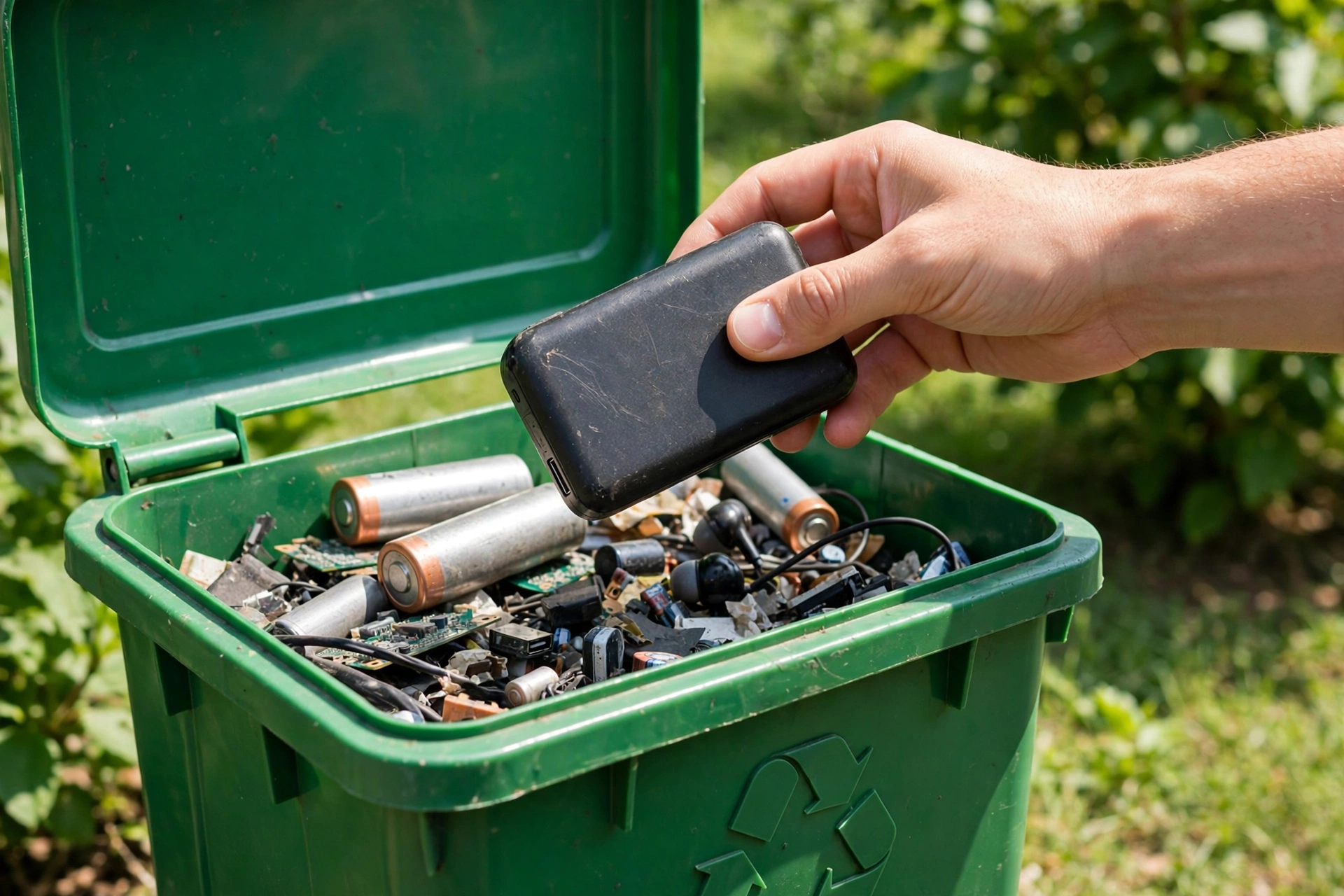
Disposal is the least glamorous and most important part of the disposable vape story. Each device contains a lithium-ion battery plus electronic circuitry, which makes it electronic waste. Throwing disposables in household trash or littering them creates fire risk in garbage trucks and landfills and leaches battery chemicals into soil and water.
Responsible disposal means treating a spent device like a used battery: take it to an e-waste collection point, battery recycling drop-off, or retailer take-back program where available. Never puncture, crush, or attempt to open a disposable to “get the last drops”; damaged lithium cells can short-circuit and ignite. Do not attempt to recharge a non-rechargeable disposable either, which is both ineffective and hazardous. Check our vape battery safety tips for the full rundown on handling lithium cells safely.
What Are the Basic Safety and Legal Facts?
Staying with verified facts rather than marketing: in regulated markets, legal vaping products must pass laboratory testing for contaminants, while unlicensed or counterfeit products bypass every requirement, making the source of purchase the biggest safety variable. Documented risks of illicit products include unknown liquid contents and unsafe battery construction.
Legally, vaping products are restricted to adults of legal smoking age, which is 21 in the United States, with equivalent age gates in most other countries. Many jurisdictions also restrict flavors, nicotine strengths, advertising, and where vaping is permitted. Travelers should note that rules differ sharply by country, and some destinations prohibit vaping devices entirely; our guides to bringing a vape on a plane and vape plane rules and the TSA cover air travel specifics. At DigitalGeekSpot we cover consumer technology topics like this one with an emphasis on verifiable facts over hype.
Frequently Asked Questions
What is a disposable vape in simple terms?
A disposable vape is a pre-filled, single-use electronic cigarette. It contains a battery, heating coil, and e-liquid sealed in one device. You inhale to activate it, use it until the liquid or battery runs out, and then recycle it as electronic waste. No refilling, charging (on basic models), or maintenance is involved.
How do you use a disposable vape for the first time?
Unbox it, remove the rubber stoppers from the mouthpiece and the sticker or plug covering the bottom airflow hole, then inhale gently through the mouthpiece. The device activates automatically. If it does not produce vapor, the airflow hole is the most common culprit, check that first.
Why is my disposable vape not hitting?
The usual causes are a blocked airflow hole (remove any sticker), a depleted battery, or an empty liquid reservoir. A rapidly blinking LED typically signals the device is finished. Attempting to open or modify the device is unsafe; replace or recycle it instead.
How long does a disposable vape last?
It depends on e-liquid capacity and your usage, not just the advertised puff count. Small devices may last a day or two of moderate use, while large-capacity models can last weeks. Our detailed breakdown in how long a disposable vape lasts converts puff counts to realistic timeframes.
Can you recharge a disposable vape?
Only models specifically built with a rechargeable battery and USB-C port. Standard non-rechargeable disposables should never be connected to a charger; forcing current into them risks battery failure. Even rechargeable disposables cannot be refilled, the liquid supply is sealed.
Are disposable vapes bad for the environment?
They generate more waste per user than refillable systems because the battery and electronics are discarded with each device. The lithium cells also pose fire and contamination hazards in regular trash. E-waste recycling programs are the responsible disposal route.
What is the legal age to buy a disposable vape?
In the United States it is 21 under federal law, and most countries set the minimum at 18 or higher. Retailers are required to verify age. Laws on flavors, nicotine limits, and public vaping vary widely by jurisdiction.
What is the difference between a disposable vape and a vape pen?
“Vape pen” usually refers to a reusable, refillable device with a replaceable cartridge or tank, while a disposable is a sealed single-use unit. Some people use the terms loosely, but the maintenance difference is the key distinction: pens are refilled and recharged, disposables are used and recycled.
How Should You Store a Disposable Vape?
Store your disposable vape upright in a cool, dry place away from direct sunlight and heat. Extreme temperatures can degrade the e-liquid and stress the built-in lithium battery, so avoid leaving a device in a hot car or near radiators. Keep it out of reach of children and pets, and do not store it loose in a pocket or bag with keys or coins, because pressure on the mouthpiece or airflow sensor can trigger accidental activation. If you will not use it for a while, a drawer at room temperature works perfectly.
Can You Take a Disposable Vape on a Plane?
Yes, you can bring a disposable vape on a plane, but only in your carry-on bag or on your person, never in checked luggage, because of the lithium battery inside. Security rules vary by country and airline, so check the current regulations before you fly. Vaping is banned on board all commercial flights, and using a device in the lavatory can trigger smoke detectors and lead to serious fines. Keep the device switched off or protected during the flight to prevent accidental activation.
Related Articles
- Disposable vs Refillable Vape
- How Long Does a Disposable Vape Last?
- How to Choose Your First Vape Kit
- Vape Battery Safety Tips
The Bottom Line
A disposable vape is simplicity in a sealed package: battery, coil, liquid, and mouthpiece working together through draw activation, with zero maintenance until the device is spent. The format’s convenience comes with real trade-offs in long-term cost, waste, and the importance of buying from regulated sources. Understanding the parts, the puff-count marketing, and proper e-waste disposal turns a confusing product category into a straightforward one, whether you are comparing devices or just trying to understand what they are.

1 Comment