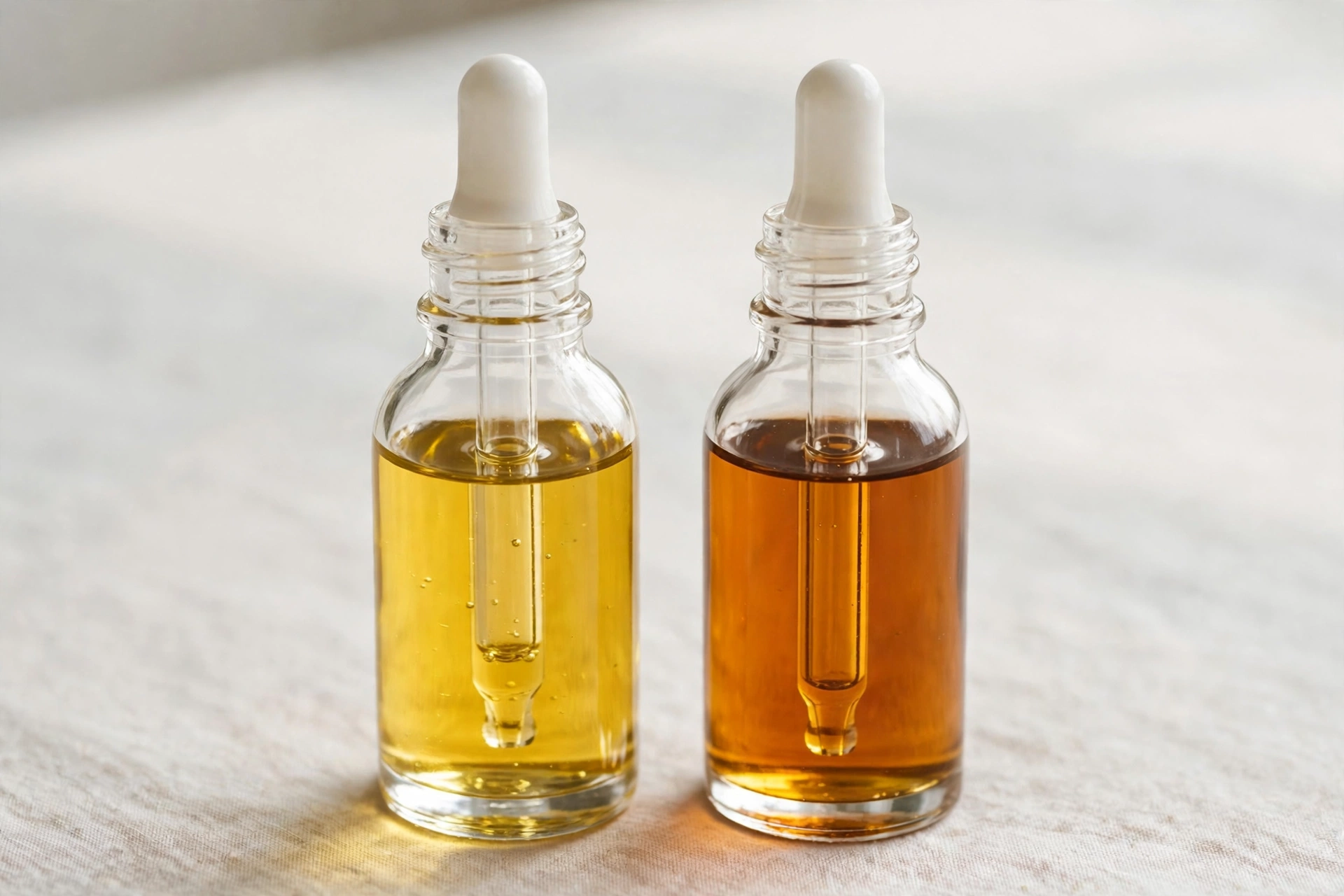
CBD and THC are the two most well-known cannabinoids in the cannabis plant, and the core difference is simple: THC is intoxicating and produces the “high” associated with marijuana, while CBD is non-intoxicating and does not. Both share the same molecular formula of 21 carbon atoms, 30 hydrogen atoms, and 2 oxygen atoms, but a slight difference in atomic arrangement makes THC bind directly to CB1 receptors in the brain while CBD influences the endocannabinoid system indirectly. Hemp-derived CBD with under 0.3 percent THC is federally legal in the US under the 2018 Farm Bill, while THC’s legal status varies widely by state.
This article is for informational purposes only and is not medical advice. Cannabinoid laws change frequently; check your local regulations.
Key Takeaways
- CBD (cannabidiol) is non-intoxicating; THC (tetrahydrocannabinol) is the intoxicating compound responsible for the cannabis high.
- Both have the same molecular formula (C21H30O2) but different atomic arrangements, which changes how each interacts with the body’s receptors.
- THC binds directly to CB1 receptors in the brain; CBD modulates the endocannabinoid system indirectly without strong CB1 binding.
- Hemp-derived CBD with less than 0.3 percent THC is federally legal in the US; THC legality depends on state law.
- Full-spectrum CBD products contain trace THC that can, in some reported cases, affect drug test results.
- Product quality varies widely for both compounds, so third-party lab reports are essential for verifying contents.
What Are CBD and THC?
CBD and THC are cannabinoids, a class of chemical compounds produced by cannabis plants. Of the 100-plus cannabinoids identified so far, these two are the most studied and the most commercially significant. CBD dominates the legal hemp wellness market in the form of oils, gummies, and topicals, while THC dominates both medical and recreational marijuana markets where permitted.
The plants themselves are categorized by chemistry rather than appearance. Hemp is legally defined in the US as cannabis containing no more than 0.3 percent THC by dry weight, and it is typically cultivated for CBD content. Marijuana refers to cannabis varieties with higher THC levels. Both plants contain both compounds in varying ratios, which is why precise product labeling and lab testing matter so much. If the basic vocabulary is new to you, our CBD terms for beginners glossary defines the key terminology.
How Do Their Chemical Structures Differ?
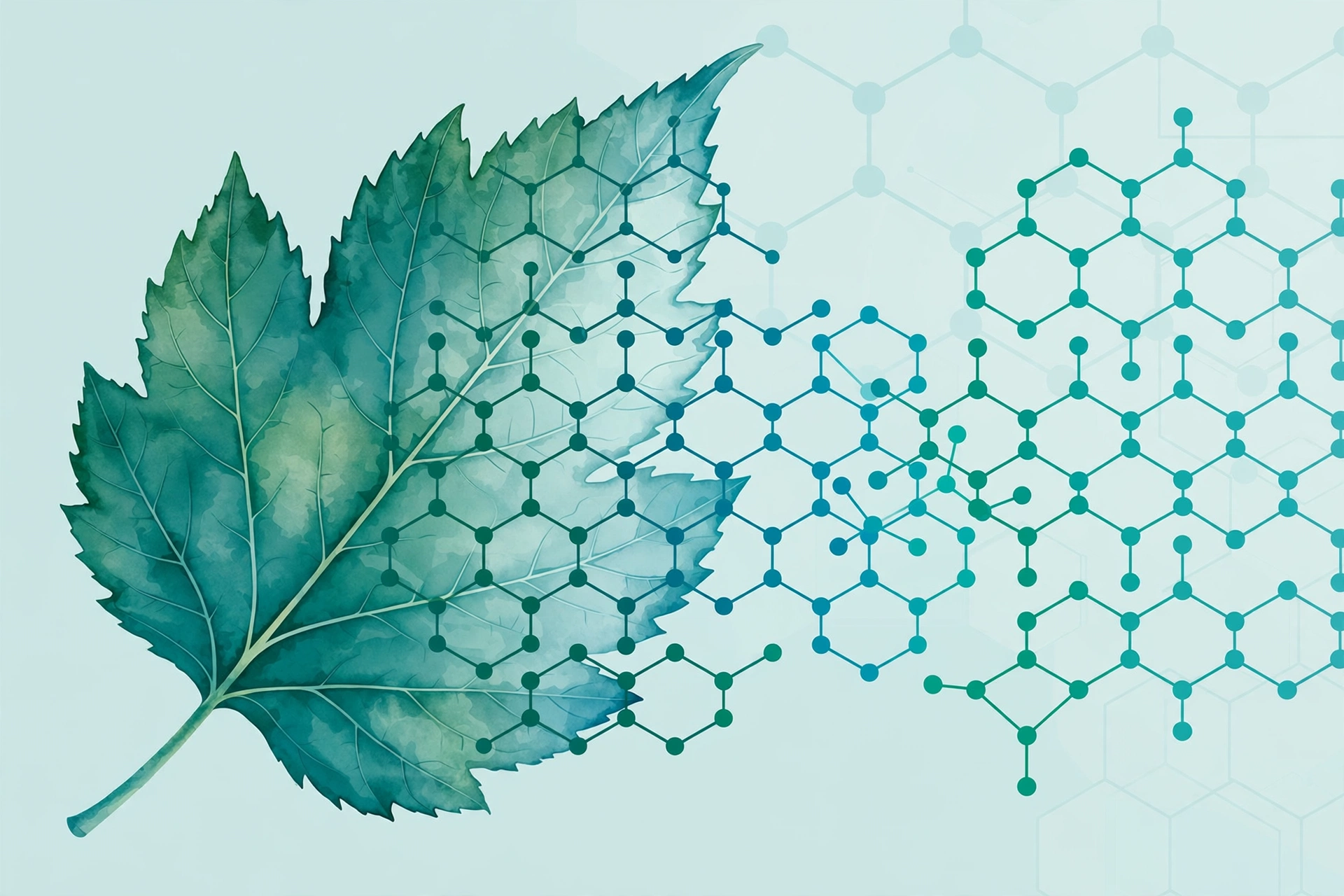
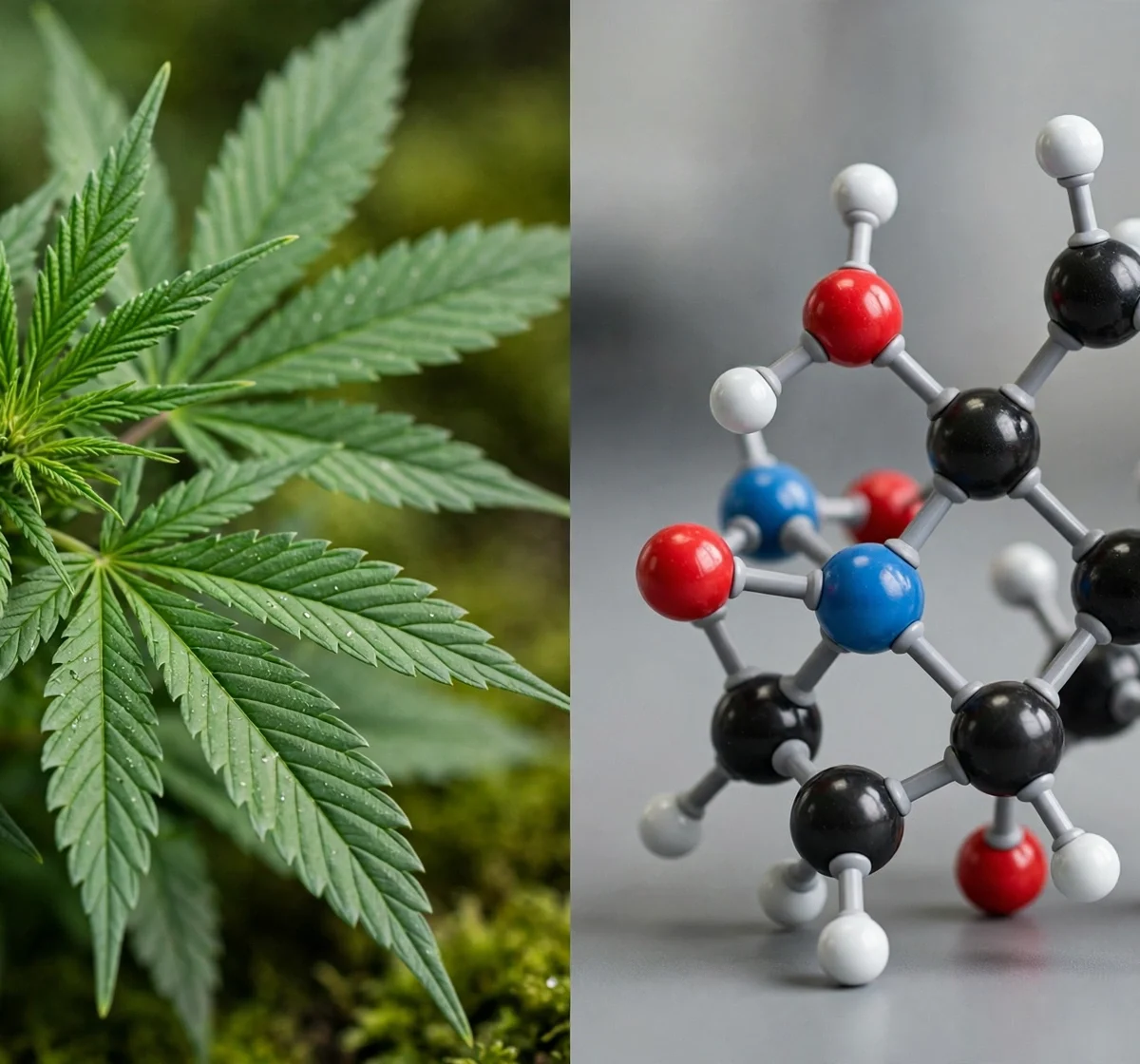
CBD and THC share the identical molecular formula: 21 carbon atoms, 30 hydrogen atoms, and 2 oxygen atoms. The difference lies entirely in how those atoms are arranged. THC contains a cyclic ring structure that lets it fit neatly into CB1 receptors, while CBD has a hydroxyl group arrangement that prevents that direct fit.
This small structural difference explains nearly everything about their different effects. Because THC locks directly into CB1 receptors concentrated in the brain and central nervous system, it triggers the signaling cascade experienced as euphoria, altered perception, and relaxation. CBD, unable to bind the same way, instead modulates receptor activity, slows the breakdown of the body’s own endocannabinoids, and interacts with other systems such as serotonin receptors. Researchers describe CBD’s role as regulatory rather than activating, which is consistent with its non-intoxicating nature.
CBD vs THC: Side-by-Side Comparison
| Feature | CBD | THC |
|---|---|---|
| Full name | Cannabidiol | Tetrahydrocannabinol |
| Intoxicating | No | Yes |
| Primary receptor action | Indirect ECS modulation | Direct CB1 receptor binding |
| Typical source plant | Industrial hemp | Marijuana |
| US federal legality | Legal if hemp-derived, under 0.3% THC | Restricted; state-dependent |
| Commonly reported side effects | Dry mouth, drowsiness, appetite changes | Dry mouth, red eyes, increased heart rate, anxiety, impaired coordination and memory |
| Drug test detection | Possible with full-spectrum products | Commonly detected |
| Dependence profile | No signals of abuse potential per WHO review | Can be habit-forming with heavy use |
How Do Their Effects Differ?
The experiential difference is the reason most people ask this question. THC’s direct CB1 binding produces dose-dependent intoxication: at lower amounts, commonly reported effects include euphoria, relaxation, heightened sensory perception, and altered time perception; at higher amounts, anxiety, paranoia, impaired short-term memory, and slowed reaction times become more likely. Effects vary enormously between individuals based on dose, tolerance, product type, and personal sensitivity.
CBD’s effects are far subtler and non-intoxicating. Users do not report a high; at most, product marketing and anecdotal reports describe general relaxation. Because CBD does not impair coordination or perception the way THC does, it is the compound found in products marketed for daytime use. Importantly, scientific research on both compounds’ effects in humans is still developing, and individual responses vary, so personal experimentation stories should never be treated as reliable evidence.
One interesting interaction: CBD may moderate some of THC’s effects. Products with balanced CBD-to-THC ratios are sometimes described as producing a milder experience than high-THC products, though this varies by person. This interplay is part of why full-spectrum hemp products, which contain CBD-dominant ratios with trace THC, occupy their own distinct category, explained in our full-spectrum vs broad-spectrum vs isolate CBD guide.
Which Is Legal Where?
Legality is where the CBD vs THC distinction has the most practical consequences. In the United States, the 2018 Farm Bill legalized hemp and hemp-derived CBD at the federal level, provided THC stays at or below 0.3 percent. Individual states, however, impose their own rules on sale, labeling, and permitted product formats, and a few restrict even hemp-derived products.
THC occupies a patchwork: a growing number of states permit medical use, a smaller number permit recreational use, and federal law still classifies marijuana as a controlled substance. This creates situations where a product legal in one state is illegal one border over. For travelers, the rule is absolute: never carry THC products across state or national borders without verifying both jurisdictions, and never assume CBD rules apply to THC products or vice versa. At DigitalGeekSpot we follow consumer regulation topics, and cannabinoid law remains one of the most frequently changing areas.
Do They Show Up Differently on Drug Tests?
Standard drug screenings test for THC metabolites, not CBD. In practice, however, the line blurs. Regular use of full-spectrum CBD products, which legally contain up to 0.3 percent THC, has in some reported cases led to positive test results because trace THC can accumulate. Broad-spectrum and isolate products reduce but cannot eliminate this risk, since manufacturing and labeling are imperfect.
THC itself is reliably detected by common urine, blood, saliva, and hair tests, with detection windows ranging from days to weeks depending on the test type and frequency of use. Anyone subject to workplace, athletic, or legal drug testing should treat all cannabinoid products with caution and consult the testing authority’s policies rather than relying on product marketing.
How Do CBD and THC Products Differ on the Shelf?
| Aspect | CBD products | THC products |
|---|---|---|
| Where sold | Wellness stores, pharmacies, online (where permitted) | Licensed dispensaries in legal states |
| Common formats | Oils, gummies, capsules, topicals | Flower, edibles, concentrates, beverages |
| Label focus | Milligrams of CBD, spectrum type, COA link | Milligrams of THC, strain, batch testing |
| Age restrictions | Varies by state, often 18 or 21 | 21+ in recreational states; medical rules vary |
| Quality verification | Third-party Certificate of Analysis | State-mandated lab testing |
Regardless of which compound a product contains, the same shopping discipline applies: demand an accessible third-party lab report, check that cannabinoid totals match the label, and avoid brands making disease-treatment claims. Our walkthrough on how to read a CBD lab report teaches the verification skill step by step, and how to spot fake CBD oil lists the red flags of low-quality sellers.
Frequently Asked Questions
What is the main difference between CBD and THC?
The main difference is intoxication: THC binds directly to CB1 receptors in the brain and produces a high, while CBD interacts with the endocannabinoid system indirectly and is non-intoxicating. They share the same molecular formula but have different atomic arrangements, which causes their different effects and different legal treatment.
Is CBD safer than THC?
They have different risk profiles rather than a simple safer-or-less-safe ranking. CBD is generally reported as well tolerated with mild side effects like dry mouth and drowsiness, and the WHO found no abuse potential. THC carries risks of anxiety, paranoia, impaired coordination and memory, and habit formation, especially with heavy use. Both can interact with medications, so professional guidance matters for either.
Can CBD counteract a THC high?
Some evidence and many anecdotal reports suggest CBD may moderate certain THC effects, which is why balanced-ratio products exist. However, responses vary widely between individuals, and CBD is not a reliable remedy for overconsumption. Anyone experiencing severe distress after THC use should seek medical help rather than self-treating.
Why do some CBD products contain THC?
Full-spectrum CBD products retain the hemp plant’s complete compound profile, including legally permitted trace THC under 0.3 percent. Manufacturers do this to preserve the plant’s natural composition. Consumers who want to avoid THC entirely choose broad-spectrum or isolate products instead.
Is hemp the same as marijuana?
Both are varieties of Cannabis sativa, but US law distinguishes them by THC content: hemp contains no more than 0.3 percent THC, while marijuana contains more. Hemp is cultivated mainly for CBD and industrial uses; marijuana is cultivated for THC content. The distinction is chemical and legal, not botanical species.
Can I travel with CBD or THC products?
CBD rules and THC rules differ sharply. Hemp-derived CBD is federally legal in the US but subject to state restrictions; THC products should never cross state or national borders without verifying both jurisdictions’ laws, since a product legal in one place may be a criminal offense in another. When in doubt, do not travel with cannabinoid products.
Do CBD and THC interact with medications?
Both can. CBD affects liver enzymes involved in metabolizing many prescription drugs, and THC has its own interaction profile. Anyone taking medication should discuss any cannabinoid product with their doctor or pharmacist before use. This article is informational and does not replace professional medical advice.
Which should a beginner learn about first?
Start with CBD fundamentals, since hemp-derived CBD is the more widely accessible and legally straightforward category. Our CBD tincture vs CBD oil guide is a good practical next read covering the most common beginner product format. Then study your local THC laws separately before considering anything in that category.
Related Articles
- Full-Spectrum vs Broad-Spectrum vs Isolate CBD
- How to Read a CBD Lab Report
- CBD Terms for Beginners: Essential Glossary
- Hemp Seed Oil vs CBD Oil
The Bottom Line
CBD and THC are chemical cousins with opposite intoxication profiles: THC gets you high by binding directly to brain receptors, while CBD works indirectly and does not. That single pharmacological difference drives their different effects, different legal status, and different product markets. For consumers, the practical takeaways are to verify every product with a lab report, understand which compound a product actually contains before buying, and respect the very different laws governing each. Confident cannabinoid shopping starts with knowing exactly what is in the bottle.